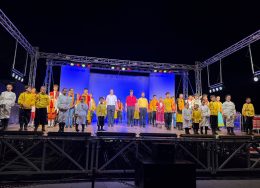
The Archdiocese of Sorrento-Castellammare di Stabia recently hosted members of the Nomadelfia community, marking a significant moment of dialogue and shared faith within the Italian ecclesiastical landscape. The visit, which brought the unique communal lifestyle of Nomadelfia to the Sorrento peninsula, served as an opportunity for the local diocese to engage with a movement rooted in the principles of solidarity, brotherhood, and the Gospel-based model of the early Christian communities.
Nomadelfia, founded by Father Zeno Saltini in the 20th century, operates as a civilian and religious association where members live in a system of absolute community, sharing all goods and labor without private property. According to the official records of the community, the movement is based in the province of Grosseto, Tuscany, where it maintains its own internal structure, including schools and work cooperatives designed to sustain its families and children under a philosophy of “fraternity as a law.”
The Connection Between Nomadelfia and the Sorrento-Castellammare Diocese
The visit to the Sorrento-Castellammare diocese reflects a broader effort by the local church to highlight models of communal living that challenge contemporary societal norms. The Archdiocese, led by Archbishop Francesco Alfano, has frequently emphasized the importance of pastoral outreach that bridges the gap between traditional parish structures and intentional communities.
By hosting representatives from Nomadelfia, the diocese provided local parishioners and clergy with a firsthand account of how the community manages its daily operations, education, and social cohesion. This engagement is consistent with the Archdiocese’s ongoing programs focused on social justice and the promotion of family-centered pastoral care, as detailed in the official diocesan communications portal.
Understanding the Nomadelfia Model
Nomadelfia is not a monastery in the traditional sense, but a civilian association recognized by the Italian state. Its structure is defined by several key pillars that differentiate it from other religious or secular communes:
- Absence of Private Property: All income and assets are held in common, ensuring that no member experiences poverty while others possess wealth.
- Communal Parenting: While biological parents remain central, the community emphasizes a collective responsibility for the upbringing and education of all children within the association.
- Integration of Labor: Members engage in agricultural and artisanal work, the proceeds of which are reinvested into the community’s infrastructure.
The movement’s legal and social status was formalized over decades, with its unique internal governance receiving attention from both civil authorities and the Holy See. As noted by the Vatican News service, the community has received support from various Popes, who have recognized its efforts to embody the “Acts of the Apostles” in a modern context.
Pastoral Impact and Future Engagement
For the Archdiocese of Sorrento-Castellammare di Stabia, the visit served as a practical case study for local families interested in exploring alternative social structures. The exchange allowed for a discussion on how the values of Nomadelfia—particularly those regarding the welcoming of children and the elderly—can be adapted or integrated into the life of standard urban and rural parishes.
The event concluded with a series of meetings aimed at fostering long-term cooperation. While no formal merger or structural change between the two entities has been announced, the diocese continues to highlight the witness of such communities in its periodic newsletters and pastoral letters. Those interested in the ongoing activities of the Archdiocese can monitor the official news section of the diocesan website for updates on future visits and collaborative projects.
As the Archdiocese moves forward with its current pastoral cycle, the influence of the Nomadelfia visit remains a point of reflection for the local faithful. Further updates regarding community outreach events and diocesan initiatives are expected to be published through official channels as the liturgical calendar progresses.
Related reading