
As a technology editor who has spent nearly a decade tracking the rapid evolution of wearables, I find that the industry often prioritizes “more” over “better.” We are frequently inundated with devices that demand constant attention, packing in complex features that occasionally distract from the primary goal of fitness tracking. However, my recent experience with the Fitbit Air has been a refreshing departure from this trend. It serves as a reminder of why many of us fell in love with wearable technology in the first place: simplicity, reliability, and a focus on the essentials.
In an era where the cost of mobile accessories often rivals that of a mid-range smartphone, the Fitbit Air stands out by offering a no-nonsense design that feels both intentional and accessible. It brings back the golden age of fitness trackers, prioritizing a user experience that feels special without the bloat of unnecessary digital noise. For those of us who appreciate the intersection of clean hardware and functional software, this device marks a significant, albeit understated, shift in the current landscape of health-focused gadgets.
The Return to Minimalist Wearable Design
The philosophy behind the Fitbit Air is clearly rooted in the idea that a fitness tracker should be an extension of the user’s movement rather than a constant interruption. During my time testing the device, I found that its form factor is intentionally unobtrusive. By stripping away the high-resolution displays and power-hungry processors that define many modern smartwatches, the hardware achieves a level of comfort that is often lost in more advanced models. This design choice is not merely aesthetic; it is a functional decision that allows the device to integrate seamlessly into a daily routine.
This minimalist approach aligns with recent broader efforts by Google to refine its hardware ecosystem. As detailed in the latest Google product announcements from I/O 2026, the company is increasingly focusing on how AI can act as a silent, helpful partner in a user’s daily life, rather than just a collection of apps on a wrist. By streamlining the hardware, the Fitbit Air allows the underlying software to focus on what matters: consistent health data collection and long-term activity tracking.
Why Simplicity Matters in 2026
The market for wearables has reached a saturation point where consumers are increasingly looking for devices that offer specific, high-quality utility. As noted in the reimagined Google Search experience, the integration of agentic capabilities and advanced models like Gemini 3.5 Flash is designed to handle the “heavy lifting” of data processing in the background. For the end user, this means that the wearable does not need to be a complex computer; it simply needs to be a reliable sensor that communicates effectively with the broader Google ecosystem.
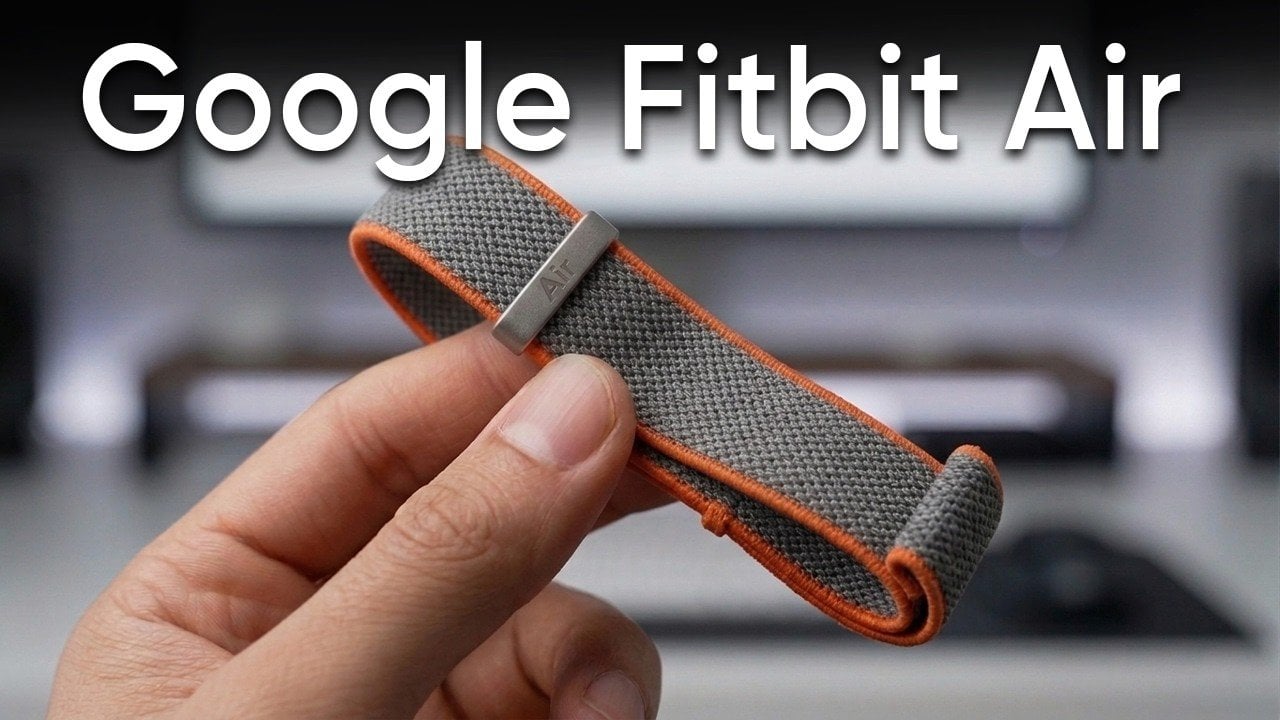
This shift is particularly relevant for users who feel overwhelmed by the “notification fatigue” associated with high-end smartwatches. When a device is designed primarily as a fitness tracker, it avoids the trap of trying to replace a phone. Instead, it creates a dedicated space for health metrics, allowing users to view their progress without the distraction of emails, social media alerts, or complex navigation menus. It is this specific focus—the “no-nonsense” approach—that makes the device feel like a return to a more focused, purposeful era of technology.
Integrating Into the Modern Digital Life
Beyond the hardware, the value of the Fitbit Air is amplified by how it interacts with the updated Google infrastructure. With the introduction of features like the Universal Cart and new AI-driven shopping and management tools, the data collected by your wearable is more actionable than ever. The goal is to create a seamless flow between your physical activity data and the digital services you use to manage your health and lifestyle.
This ecosystem-wide integration ensures that the Fitbit Air remains relevant despite its simplified exterior. By leveraging the power of AI to synthesize data, the device provides insights that are both meaningful and easy to interpret. For the user, this means less time spent adjusting settings or navigating menus, and more time actually engaging in the activities that the device is designed to track.
A Strategic Shift for Wearables
Looking ahead, the success of the Fitbit Air may signal a broader shift in how major tech companies approach the wearable market. As we move further into 2026, the emphasis is clearly moving toward “intelligent” devices that are less intrusive. The ability to provide high-level health insights while maintaining a low-profile physical design is a difficult balance to strike, but it appears to be the direction the industry is taking.
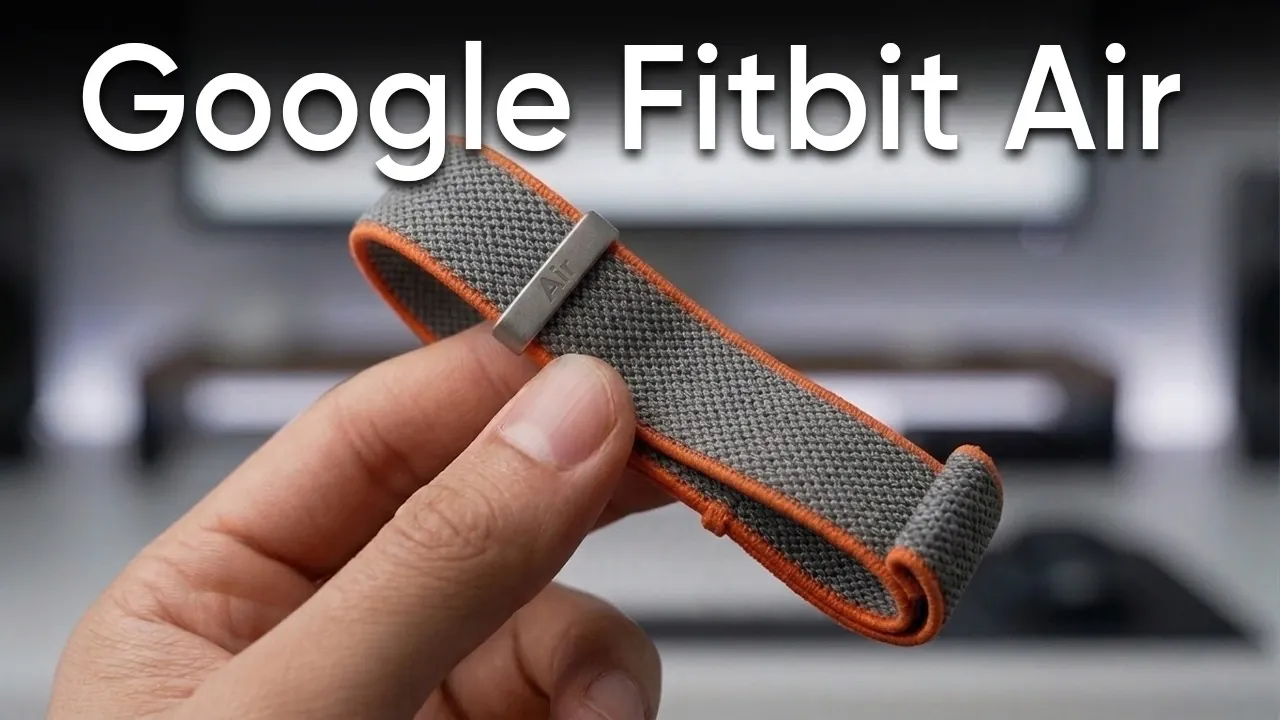
For those interested in the latest updates regarding these advancements, Google continues to provide documentation on its official product and technology news hub, where users can track how these models are being applied to hardware across the board. The evolution of these tools suggests that we are entering a phase where the best technology is that which works quietly in the background, supporting our goals without demanding our constant attention.
I am curious to hear your thoughts on this trend. Are you moving toward simpler, more focused wearables, or do you still prefer the feature-rich experience of a full-scale smartwatch? Please share your experiences in the comments below, and stay tuned to World Today Journal for our upcoming long-term review of how the latest Fitbit integration holds up under daily use.
Related reading