
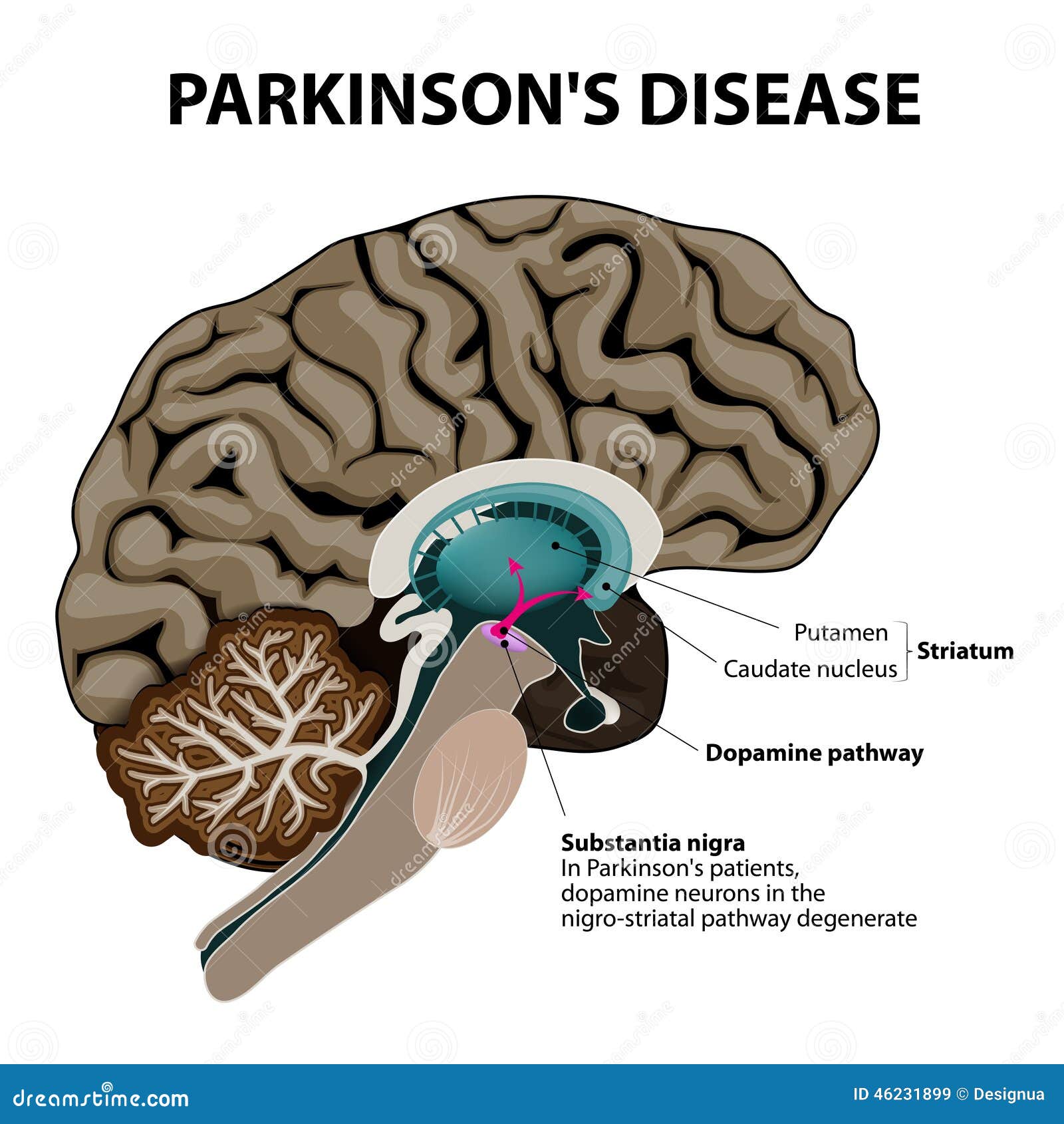
Neurological disorders represent one of the most significant challenges to global public health in the 21st century. As a physician, I have seen firsthand how conditions such as Alzheimer’s disease, Parkinson’s disease, and motor neuron disease—often referred to as amyotrophic lateral sclerosis (ALS)—impose a profound burden on patients, families, and healthcare systems. According to the World Health Organization and recent global burden of disease assessments, neurological conditions have overtaken cardiovascular disease as the leading cause of disability-adjusted life years (DALYs) worldwide. While we have made strides in managing the inflammatory components of conditions like multiple sclerosis, the underlying neurodegenerative processes remain notoriously difficult to treat.
The traditional model of clinical trials—testing one drug against a placebo in a linear, sequential fashion—is proving insufficient for the complexity of the human brain. This is where the implementation of multi-arm multi-stage (MAMS) platform trials for neurological disease offers a transformative path forward. By accelerating progress through a more flexible, efficient, and collaborative framework, these trials are changing how we evaluate potential therapies for intractable conditions.
The Limitations of the Traditional Trial Model
For decades, drug development for neurodegenerative diseases has been characterized by a high rate of failure. The traditional “one-drug-at-a-time” approach is not only time-consuming but also resource-intensive. When a trial takes several years to complete, the scientific understanding of the disease may have already evolved, rendering the initial hypothesis or the chosen biomarker outdated. The high failure rate of Phase III trials—often after years of investment—discourages further research into promising biological pathways.
The biological complexity of the brain means that a “one-size-fits-all” treatment is unlikely to succeed. We are moving toward a more nuanced understanding of neurodegenerative pathobiology, identifying specific genetic and molecular targets. However, testing multiple candidate treatments under the old paradigm would require an unsustainable number of separate, parallel trials. This is why the MAMS platform design, which has seen success in oncology and infectious disease research, is now being adapted for neurology, as highlighted by initiatives like the MND-SMART platform trial for motor neuron disease.
How MAMS Platform Trials Work
A multi-arm multi-stage trial is designed to be adaptive. Instead of a single intervention, the platform allows researchers to test several different treatments—the “arms”—simultaneously against a common control group. The “multi-stage” aspect refers to the periodic analysis of data throughout the trial’s lifespan.
As the trial progresses, an independent data monitoring committee reviews the results. If a specific treatment arm fails to show efficacy, it can be dropped from the study early, allowing resources to be reallocated to more promising candidates. Conversely, if a drug shows significant benefit, it can move forward, or new experimental drugs can be introduced into the platform as they become available. This “evergreen” design ensures that the trial remains relevant to the latest scientific findings. According to the National Institute for Health and Care Research (NIHR), this approach significantly reduces the time and cost required to identify effective interventions compared to traditional randomized controlled trials.
Accelerating Medical Innovation
The shift toward platform trials is not merely an administrative change; it is a clinical necessity. In the context of Alzheimer’s and Parkinson’s, where time is the most precious resource for patients, the ability to “fail fast” and “succeed faster” is crucial. By sharing a control group, these trials also increase the statistical power of the research while reducing the number of patients required to undergo placebo treatment—an ethical consideration of paramount importance in terminal or progressive illnesses.
these platforms foster greater collaboration between academic institutions, pharmaceutical companies, and patient advocacy groups. In Europe, the European Medicines Agency (EMA) has increasingly provided scientific advice to support the development of adaptive trial designs, acknowledging that the regulatory framework must evolve alongside clinical innovation to ensure that safe and effective treatments reach patients without unnecessary delay.
Key Takeaways for the Future
- Efficiency: MAMS trials reduce the number of participants needed for control groups, making research more ethical and efficient.
- Adaptability: The platform design allows for the continuous addition of new therapies and the rapid removal of ineffective ones based on interim data.
- Speed: By streamlining the evaluation process, these trials aim to significantly shorten the time from discovery to clinical application.
- Collaboration: These trials encourage a shared, open-science approach, bringing together global experts to tackle the most complex neurological challenges.
Looking Ahead: What Happens Next
While the promise of MAMS trials is immense, the transition remains a work in progress. Researchers are currently focusing on refining the statistical models used to monitor these trials to ensure they remain robust as new arms are added. There is an ongoing effort to harmonize global regulatory standards, ensuring that data generated in one jurisdiction can be utilized to support approvals in others, thereby accelerating global access to new therapies. The next major checkpoint for these initiatives involves the release of interim data from several ongoing international platform studies, which will provide the necessary evidence to validate this model for widespread use in neurodegenerative disease research.

As we continue to navigate the complexities of the human brain, innovation in trial design is just as key as the discovery of new molecules. By embracing these adaptive methodologies, the scientific community is taking a decisive step toward turning the tide against the most intractable neurological conditions of our time. I encourage our readers to stay informed by following updates from the World Health Organization’s neurology directives and participating in the ongoing conversation about how we can best support the next generation of medical research.
What are your thoughts on the future of clinical research? Have you or a loved one been impacted by the pace of medical innovation? Please share your perspective in the comments section below.
Worth a look