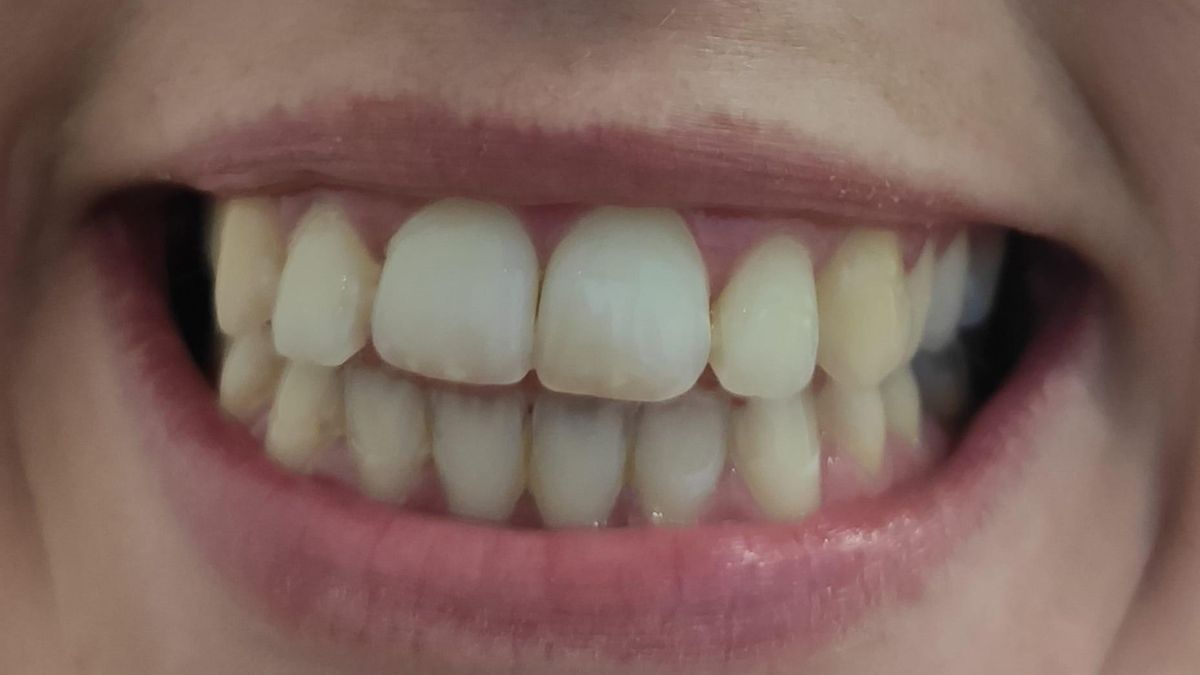
The allure of a brighter, whiter smile is a powerful motivator for many, leading to a surge in demand for affordable cosmetic dental solutions. Recently, social media trends and retail promotions have spotlighted at-home whitening systems, often marketed as revolutionary, accessible, and convenient. While the prospect of achieving professional-level results from a discount store or an online kit is tempting, it is critical for consumers to understand the significant health implications of pursuing cosmetic dentistry without professional oversight.
As a physician, I have seen firsthand the consequences of aesthetic procedures performed outside of a clinical setting. While retail kits may promise rapid transformation, the reality is that teeth whitening is a medical procedure that interacts directly with the enamel and dentin of your teeth. Improper use of these products—or the use of unregulated chemicals—can lead to irreversible damage. Before rushing to purchase the latest viral trend, it is essential to weigh the risks of unsupervised whitening against the safety provided by a licensed dental professional.
The Physiology of Whitening: Why Supervision Matters
To understand the risks, one must first understand what occurs during the whitening process. Most effective whitening agents use hydrogen peroxide or carbamide peroxide to break down stains trapped within the tooth structure. According to the American Dental Association (ADA), these agents penetrate the enamel to oxidize pigments. However, when concentrations are not calibrated to an individual’s specific oral health profile, the process can cause significant harm.
A primary concern is the sensitivity that arises when peroxide comes into contact with exposed dentin or compromised enamel. Dentists perform comprehensive oral examinations before any whitening procedure to identify existing issues such as cavities, gum disease, or micro-cracks in the teeth. Applying a bleaching agent to a cavity or an area of exposed root can cause excruciating pain and exacerbate underlying dental infections that would otherwise go unnoticed until they require more invasive treatment.

the concentration of the whitening agent is strictly regulated in many jurisdictions to ensure patient safety. In the European Union, for instance, products containing more than 0.1% hydrogen peroxide cannot be sold directly to the consumer for home use, and concentrations between 0.1% and 6% must only be provided by a dentist, as noted by the European Commission’s Scientific Committee on Consumer Safety. When consumers bypass these regulations by sourcing unregulated kits, they risk exposure to corrosive chemicals that can cause chemical burns to the gingival tissue and permanent enamel erosion.
Identifying the Risks of DIY Whitening
The risks associated with unsupervised whitening extend beyond mere temporary discomfort. When you opt for a kit without a dental professional’s assessment, you are essentially performing a clinical procedure without the benefit of a diagnostic evaluation. The following risks are frequently associated with the misuse of at-home whitening products:
- Gingival Irritation: Improperly fitted trays or high-concentration gels can leak onto the gums, causing inflammation, white spots, or chemical burns.
- Enamel De-mineralization: Over-processing with acidic or overly abrasive agents can strip away the protective layer of the tooth, leading to increased transparency and a yellowed appearance over time.
- Permanent Sensitivity: Excessive exposure to bleaching agents can irritate the pulp—the innermost part of the tooth—leading to long-term sensitivity to hot and cold temperatures.
- Masking Underlying Pathology: By masking the color of a tooth, patients may ignore warning signs of internal decay or nerve damage, delaying necessary treatment until the condition becomes critical.
It is also important to note that whitening treatments do not affect dental restorations. Crowns, veneers, and fillings will not change color during the whitening process. A dentist ensures that your treatment plan accounts for these restorations to prevent an uneven, patchy appearance that often results from generic, one-size-fits-all kits.
Navigating Cosmetic Dental Trends Safely
The rise of “retail-ready” cosmetic systems often relies on aggressive marketing that minimizes the complexity of oral anatomy. While it may be tempting to join the queues for the latest “revolutionary” system, I encourage our readers to prioritize long-term oral health over short-term aesthetic gains. If you are considering whitening your teeth, the most effective and safest path is to consult with your dentist.
A professional consultation allows your dentist to determine if you are a suitable candidate for whitening. Not all stains are responsive to bleaching; some discoloration is caused by trauma or internal factors that require different approaches, such as bonding or veneers. By opting for professional guidance, you ensure that the materials used are safe, the concentration is appropriate for your specific enamel density, and the application method minimizes the risk of tissue damage.
For those seeking information on safe practices, the FDI World Dental Federation provides global resources on oral health maintenance and the importance of professional oversight in cosmetic procedures. Always check that any product you consider carries a stamp of approval from a recognized national dental association or regulatory body. If a product claims to offer results that sound too good to be true, it likely poses risks that are not worth the potential damage to your dental health.
Key Takeaways for Your Oral Health
When evaluating any cosmetic dental product, keep these expert recommendations in mind to protect your smile:
- Consult First: Always schedule a check-up before starting any whitening regimen to ensure your teeth and gums are healthy enough for the treatment.
- Verify Ingredients: Be wary of products that do not clearly list their active ingredients or that contain high levels of acids known to erode enamel.
- Manage Expectations: Understand that natural teeth are not meant to be porcelain white; aim for a healthy, natural shade rather than an artificial, bleached look.
- Prioritize Professional Care: When in doubt, rely on the expertise of a licensed dentist who can provide customized solutions that protect your dental integrity.
As we continue to monitor the landscape of consumer health products, we will provide updates on regulatory shifts and safety advisories as they are issued by international health authorities. The next scheduled review of cosmetic product safety standards by the European Commission is expected to continue throughout the current fiscal year, and we will report on any new guidance for consumers as it becomes available. I invite you to share your thoughts and questions in the comments section below; your experiences help us continue to provide relevant, high-quality health reporting for our global community.
Related reading