Navigating the complexities of personal finance in an inflationary environment requires a discerning eye, especially when headlines promise “zero-interest” borrowing opportunities. As consumers look for relief following high-spending periods like national holidays, the allure of interest-free personal loans—often marketed as “sıfır faizle ihtiyaç kredisi” (zero-interest consumer loans)—has become a recurring theme in local media. However, as an economist, I find it essential to peel back the marketing layers to understand what these offers truly entail for your financial health.
In the current Turkish economic landscape, where the Central Bank of the Republic of Turkey (TCMB) maintains a stringent monetary policy to combat persistent inflation, “zero-interest” campaigns are rarely universal. They are almost exclusively structured as tactical customer acquisition tools—limited-time promotional offers designed to entice new customers to a specific banking institution. Understanding the mechanics of these offers is crucial for anyone considering debt consolidation or short-term liquidity solutions.
According to the latest data from the Central Bank of the Republic of Turkey, interest rate volatility remains a significant factor for retail banking products. While some lenders may advertise interest-free periods, these are frequently restricted to small loan amounts, short repayment terms (often 3 to 6 months), or are contingent upon the applicant becoming a first-time digital customer of that specific bank. It is imperative to distinguish between a genuine interest-free product and a high-interest product disguised through promotional marketing.
The Reality Behind “Zero-Interest” Lending
When you encounter advertisements for interest-free credit, the first step is to read the fine print regarding the “Effective Annual Interest Rate.” In many instances, the zero-interest offer applies only to the principal, while the bank may charge administrative fees, insurance premiums, or file maintenance costs that effectively function as interest. Under the Law on the Protection of Consumers (Law No. 6502), banks are required to clearly disclose all costs associated with a loan, including the Annual Percentage Rate (APR), which provides a more accurate picture of the total cost of borrowing.
these campaigns often exclude existing customers. Banks utilize these offers as a “hook” to migrate individuals to their mobile banking platforms. By requiring users to open their first account via a mobile application, the institution saves on operational costs, which they partially subsidize by offering a limited, interest-free loan amount—typically ranging from 10,000 TL to 50,000 TL, rather than the significantly higher figures often sensationalized in non-verified reports.
Identifying Legitimate Financial Support
For those seeking debt consolidation, the search for the “lowest interest rate” is a logical response to rising living costs. However, it is vital to consult the Banking Regulation and Supervision Agency (BDDK), which serves as the primary authority for monitoring the stability and practices of the banking sector in Turkey. The BDDK frequently updates regulations regarding loan-to-income ratios and maturity limits to ensure that consumers do not over-leverage themselves.
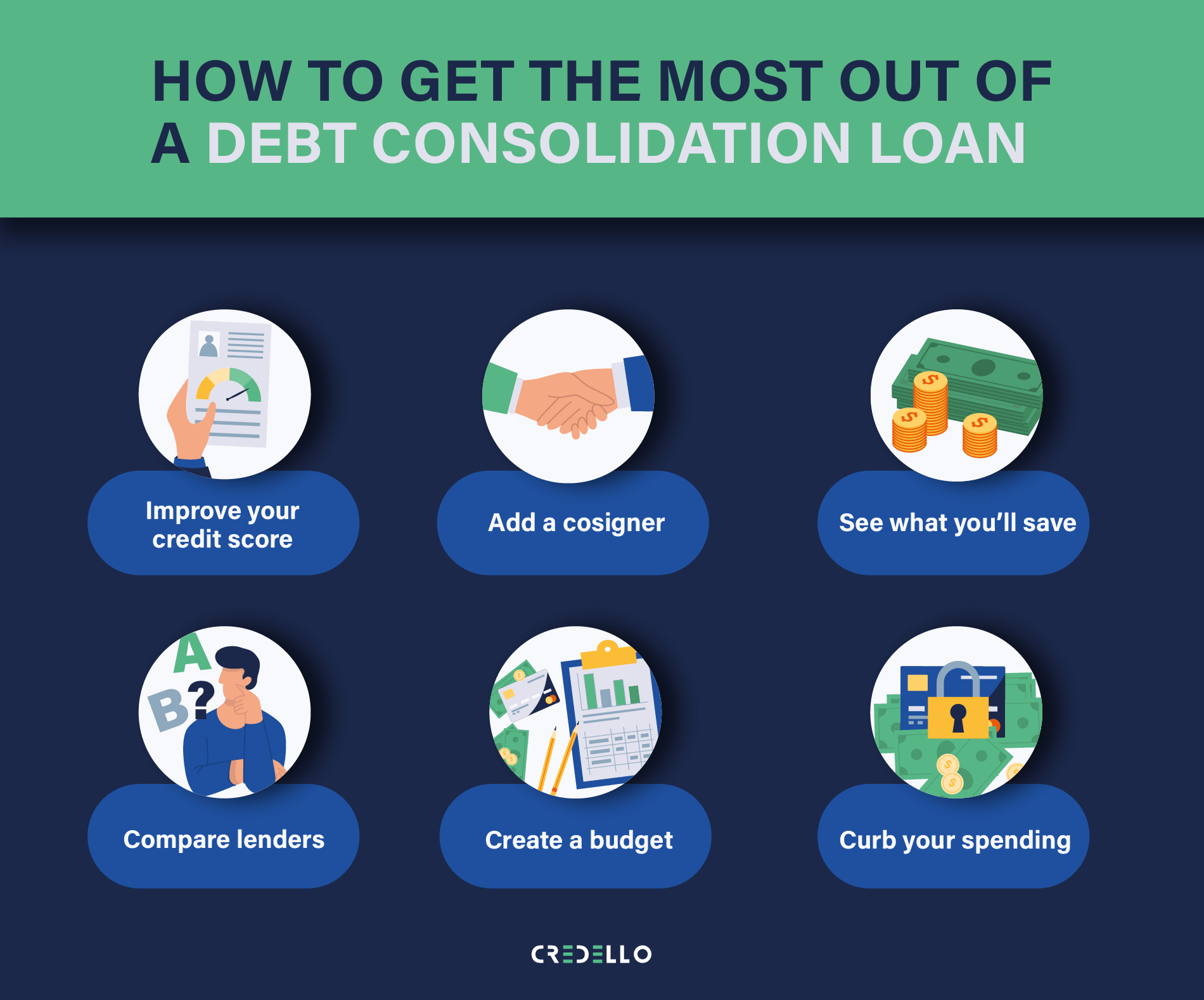
- Check the APR: Always ask for the total cost of the loan, including all mandatory insurance and file fees.
- Verify Eligibility: Determine if the offer is restricted to new customers or existing account holders.
- Consult Official Channels: Avoid relying on third-party aggregators that may link to outdated or misleading promotional material. Always visit the bank’s official website directly.
- Assess Repayment Capacity: A zero-interest loan is still a debt. Ensure your monthly budget can accommodate the repayment schedule without compromising essential expenses.
Who is Most Affected?
The target demographic for these campaigns often includes students, young professionals, and households managing temporary liquidity gaps. While the prospect of 100,000 TL in “instant” cash is frequently cited in social media discourse, such figures are rarely offered without stringent credit scoring requirements. According to the Banks Association of Turkey, credit scoring models remain the primary determinant for loan approval, and institutions are mandated to evaluate an applicant’s debt-to-income ratio regardless of the promotional interest rate.
If you are struggling with debt, rather than seeking new credit, consider reaching out to your existing creditors to discuss restructuring options. Many banks offer internal debt restructuring programs that, while not interest-free, can provide more manageable monthly installments compared to taking on new debt products.
Key Takeaways for Borrowers
Before committing to any loan agreement, keep these fundamental principles in mind:
- No “Free” Money: If a loan is interest-free, the bank is likely recouping costs through other fees or by capturing your future banking business.
- Regulatory Oversight: Ensure the institution is fully licensed and regulated by the BDDK.
- Read the Contract: Never sign a loan agreement without fully understanding the consequences of late payments or early repayment penalties.
- Financial Literacy is Your Best Defense: Use official government portals to track your personal credit history and ensure your data remains accurate.
As we monitor the evolving economic policy in Turkey, the next significant update regarding interest rate caps and consumer credit regulations is expected during the upcoming Monetary Policy Committee meetings, which are scheduled periodically throughout the year by the Central Bank. Staying informed through official bulletins remains the most effective way to protect your financial interests.
Have you encountered misleading loan advertisements, or are you looking for clarity on specific banking regulations? Share your experiences in the comments below, and let’s keep the conversation focused on practical, evidence-based financial management.
Keep reading