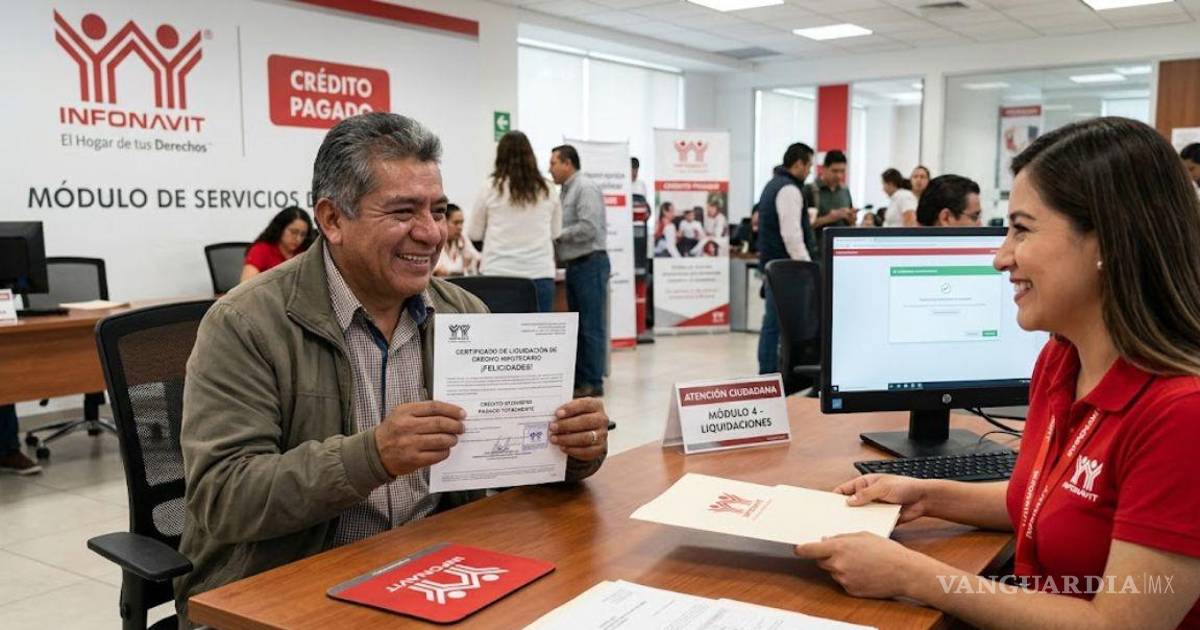
For many homeowners in Mexico, the dream of property ownership is often shadowed by the complexities of long-term bank financing. As market interest rates fluctuate, the burden of servicing commercial debt can become a significant financial strain for middle-income families. However, the Instituto del Fondo Nacional de la Vivienda para los Trabajadores (Infonavit) offers a strategic pathway for eligible employees to restructure their liabilities: the ability to use their Infonavit credit to pay off an existing bank mortgage.
This mechanism, often referred to as “Pago de Pasivos,” allows workers to transfer their debt from a commercial financial institution to the Institute. By doing so, borrowers can often secure fixed interest rates and leverage their existing subaccount for housing balance, potentially streamlining their path to full property ownership. Understanding how to use an Infonavit credit to settle a mortgage of up to 2.9 million pesos requires navigating specific eligibility criteria and institutional requirements established by the Mexican government.
Understanding the “Pago de Pasivos” Mechanism
The “Pago de Pasivos” program is not merely a debt transfer; it is a financial instrument designed to provide stability for workers who have already invested in their homes through traditional banking channels. According to official guidelines provided by the Institute, this option is intended for those who have a mortgage with a banking institution and wish to utilize their Infonavit credit line to cancel that debt, thereby moving the balance to the Institute under its own terms and conditions, as detailed in the official Infonavit informational portal.
When a worker initiates this process, the Infonavit credit acts as a bridge. The Institute pays the remaining balance of the bank mortgage, and the worker’s debt is subsequently converted into an Infonavit-backed loan. The primary appeal for many lies in the structure of these loans, which frequently feature fixed interest rates that do not fluctuate with market volatility—a critical advantage in an inflationary economic environment.
Eligibility and Financial Parameters
To qualify for this debt transfer, applicants must meet several stringent requirements. First, the worker must have an active employment relationship and meet the standard points threshold required by the Institute to access credit. The property must be in the name of the worker, and the existing mortgage must be held with a recognized banking institution. The limit of 2.9 million pesos refers to the maximum credit amount available under specific circumstances, though individual borrowing capacity remains tied to factors such as age, salary, and the balance of the Subaccount for Housing (Subcuenta de Vivienda).
It is essential for applicants to conduct a thorough analysis of their current financial situation. While the transition can offer lower interest rates, it is imperative to compare the total cost of the credit (CAT – Costo Anual Total) between the current bank mortgage and the proposed Infonavit loan. The Institute provides an online calculator tool to help workers estimate their potential monthly payments and interest costs, which can be accessed through the Mi Cuenta Infonavit platform.
Key Considerations for Homeowners
Before proceeding with a mortgage transfer, homeowners should consider several factors that distinguish Infonavit loans from traditional bank financing. One significant difference is the treatment of the Subaccount for Housing. When a worker takes out an Infonavit credit, the balance accumulated in this subaccount is automatically applied as a down payment, which can reduce the total principal amount owed significantly. This is a unique feature that is not typically available when dealing exclusively with private banks.
Another factor is the flexibility of the payment structure. Infonavit loans are designed with the social objective of facilitating home ownership for the formal workforce. This means that, in certain circumstances, the Institute offers programs for payment relief or restructuring if a worker loses their employment, providing a safety net that is often more robust than what is found in commercial banking contracts.
Steps to Initiate the Transfer
- Pre-qualification: Access the “Mi Cuenta Infonavit” portal to verify your credit score and current borrowing capacity.
- Documentation: Gather all documents related to your current mortgage, including the amortization table and the official deed of the property.
- Bank Authorization: Ensure that your current bank is notified of your intent to settle the debt through an Infonavit credit, as they will need to provide the necessary payoff statement (carta saldo).
- Formal Application: Submit the request through the official channels provided by the Institute, ensuring that all information matches the records held by the National Housing Registry.
As with any major financial decision, professional advice is recommended. Consulting with a financial advisor or a legal professional specializing in property law can help ensure that the transition from a bank mortgage to an Infonavit credit is handled correctly, preventing potential issues with the transfer of the mortgage lien or the registration of the property deed.
Strategic Financial Planning
For many, the decision to move a mortgage to Infonavit is driven by the desire for long-term predictability. In a global economy where interest rates can shift rapidly, the ability to lock in a fixed rate for the duration of a multi-million peso mortgage provides a level of security that is invaluable for household budgeting. However, it is not a “one-size-fits-all” solution. The suitability of this move depends heavily on the specific interest rate of the current bank mortgage compared to the rate offered by the Institute at the time of the application.
The Institute continuously updates its policies and credit programs to align with national economic goals. Workers are encouraged to check for the latest updates on interest rates and program eligibility periodically. The official Government of Mexico Infonavit page serves as the definitive source for any changes in policy, regulatory updates, or new financial products that may impact current or future borrowers.
As we monitor the housing sector, the integration of digital tools within the Institute has significantly improved the transparency of this process. Future updates from the Institute regarding credit limits and interest rate adjustments are expected to be announced via their official communication channels in the coming quarters. We invite our readers to share their experiences with mortgage restructuring or to pose questions in the comments section below, where we can foster a discussion on navigating the complexities of the Mexican housing market.
Worth a look