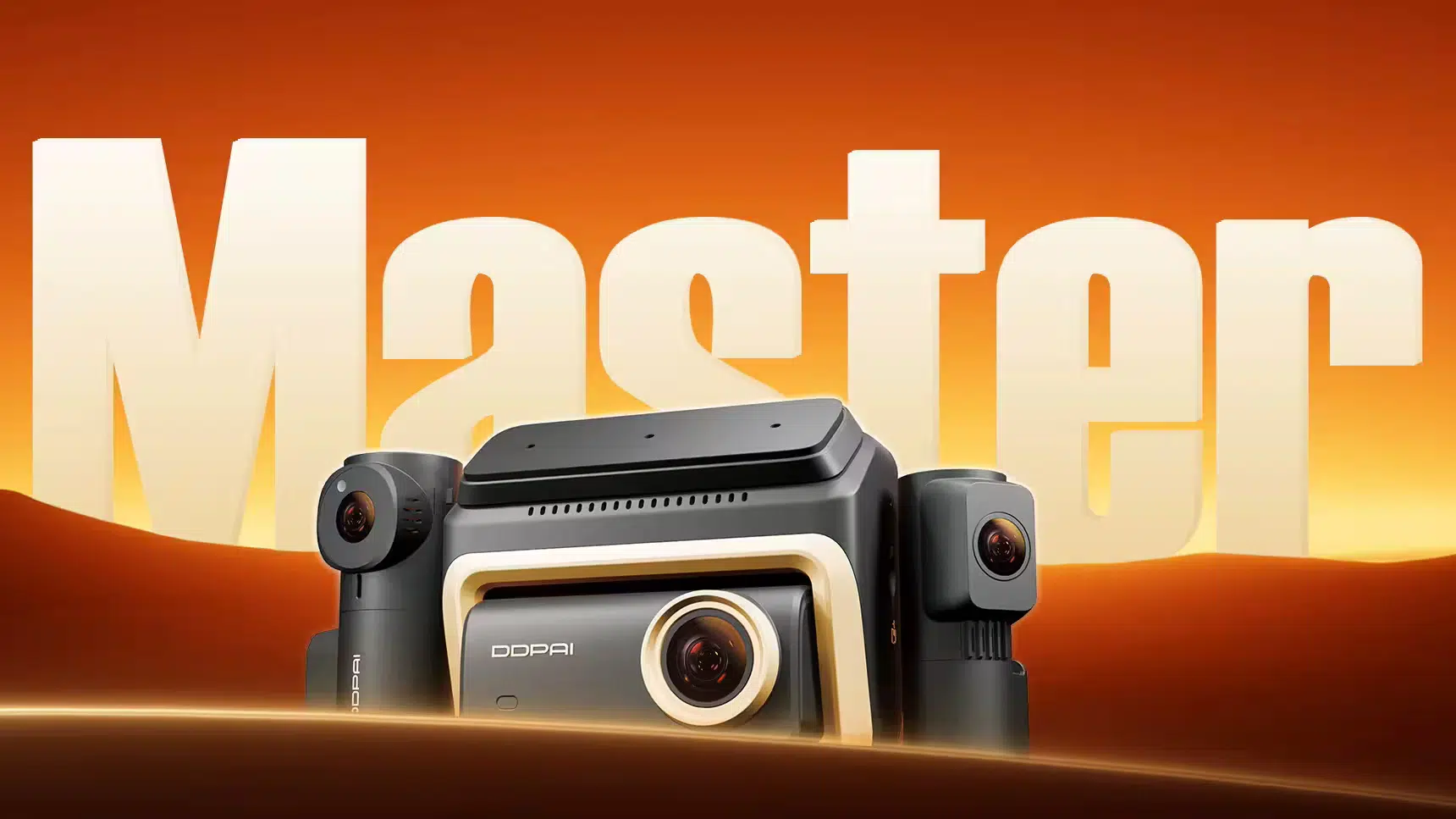
The dashcam market is experiencing a significant shift as manufacturers move toward higher-tier, multi-channel recording solutions. Among the latest entries in this competitive landscape is the DDPAI Z90 Master, a device designed to provide comprehensive vehicle surveillance through a combination of high-resolution sensors and advanced connectivity features. As modern drivers increasingly prioritize evidentiary security and remote monitoring, the Z90 Master aims to address these needs by integrating hardware typically reserved for professional-grade imaging equipment.
The device distinguishes itself by utilizing dual Sony STARVIS 2 IMX678 sensors for both front and rear recording, a configuration that promises enhanced clarity, particularly in low-light conditions. This technical focus on sensor quality represents a broader industry trend toward improving night-vision capabilities in consumer automotive electronics. For those interested in the technical specifications, the DDPAI Z90 Master overview provides a detailed breakdown of the unit’s capabilities as it enters the global market.
Advanced Imaging and Hardware Specifications
At the core of the Z90 Master’s performance is its imaging architecture. By deploying Sony STARVIS 2 sensors, the system is designed to handle challenging lighting environments, a common hurdle for standard dashcams. The front and rear cameras both support 4K UHD resolution (3840 x 2160) at 30 frames per second. The inclusion of an optional 3K interior cabin camera, which features infrared night vision, allows for a more complete picture of the vehicle’s surroundings.
The optical system is further bolstered by specific aperture settings: F1.75 for the front, F1.7 for the rear, and an F1.5 aperture for the interior cabin camera. To assist with high-contrast scenes, the device incorporates HDR across all three channels. A notable addition for this model is the inclusion of a CPL filter, a hardware component often requested by enthusiasts to reduce glare and improve image quality through windshields.
Connectivity and Data Management
Beyond image capture, the Z90 Master integrates modern connectivity standards to facilitate user interaction and data storage. The unit is equipped with a hybrid storage system, branded as D²save 2.0, which combines 128GB of internal eMMC storage with a MicroSD card slot capable of supporting up to 512GB. This redundancy is designed to ensure that critical footage is preserved even if a memory card fails or is damaged.
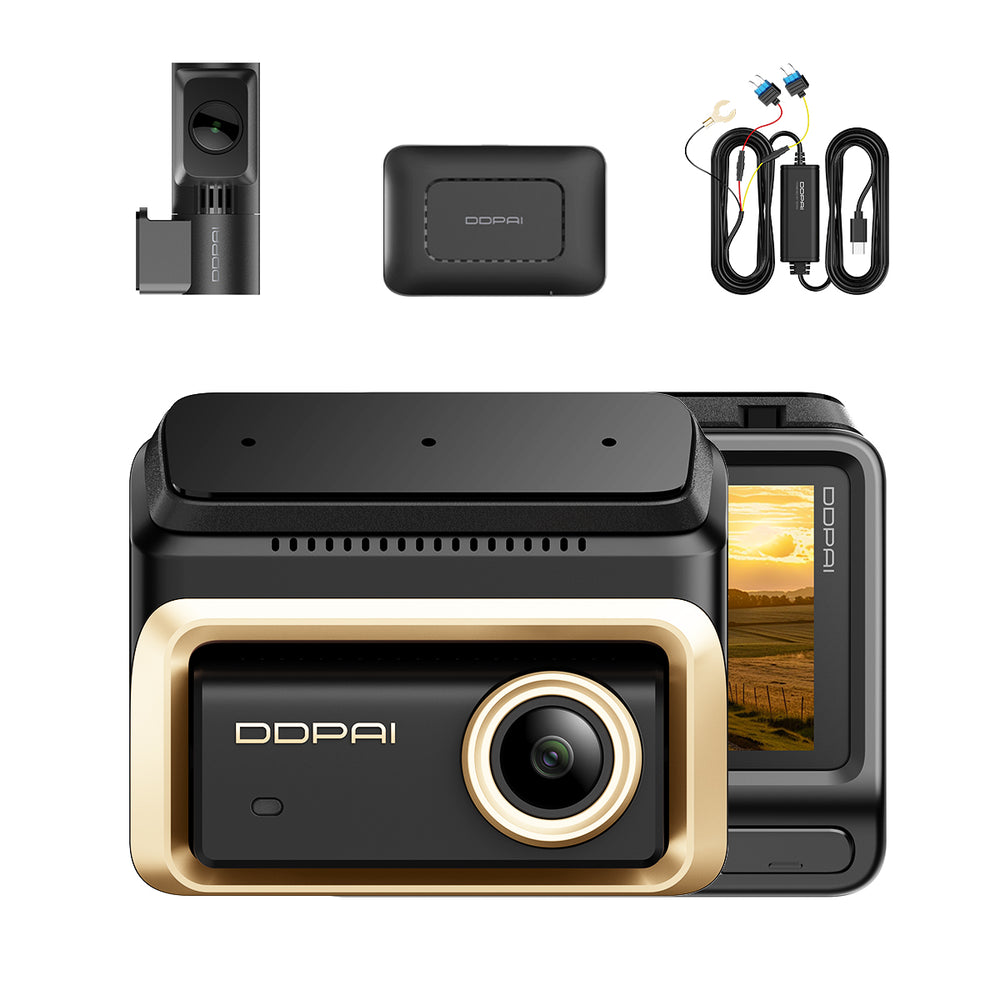
For connectivity, the system supports 5GHz Wi-Fi and Bluetooth 5.1. Users who require remote access to their vehicle can utilize an optional 4G Link Box, which enables cloud-based features such as remote parking monitoring. The device also includes comprehensive satellite support, utilizing GPS, BDS, GLONASS, GALILEO, and QZSS for location tracking. These features, combined with ADAS 2.0 (Advanced Driver Assistance Systems), position the Z90 Master as a multifaceted tool for vehicle safety and fleet management.
Understanding the User Experience
The Z90 Master features a 3-inch IPS display for on-device menu navigation and footage playback. Power is managed via a supercapacitor, a common choice in high-end dashcams due to its superior heat resistance compared to traditional lithium-ion batteries. While the technical specifications present a robust offering, the real-world utility of the device will be defined by how it manages the processing load of handling three high-resolution channels simultaneously, particularly under the thermal stress of a vehicle dashboard.
As the device begins to reach consumers, the focus within the tech community remains on the consistency of its cloud-based features and the reliability of the 4G link. Whether used for individual peace of mind or for commercial monitoring, the integration of high-tier sensors and cloud connectivity reflects the evolving expectations of dashcam users in 2026.
For those currently evaluating dashcam options, it is recommended to monitor official manufacturer support pages and user-led community forums for updates on firmware stability and long-term performance reports. As with any automotive accessory, proper installation and regular maintenance of storage media are essential to ensuring the system functions correctly when needed most.
What are your thoughts on the trend toward multi-channel 4K recording in consumer dashcams? Join the conversation in the comments section below to share your experiences or questions regarding the latest in vehicle surveillance technology.
Related reading