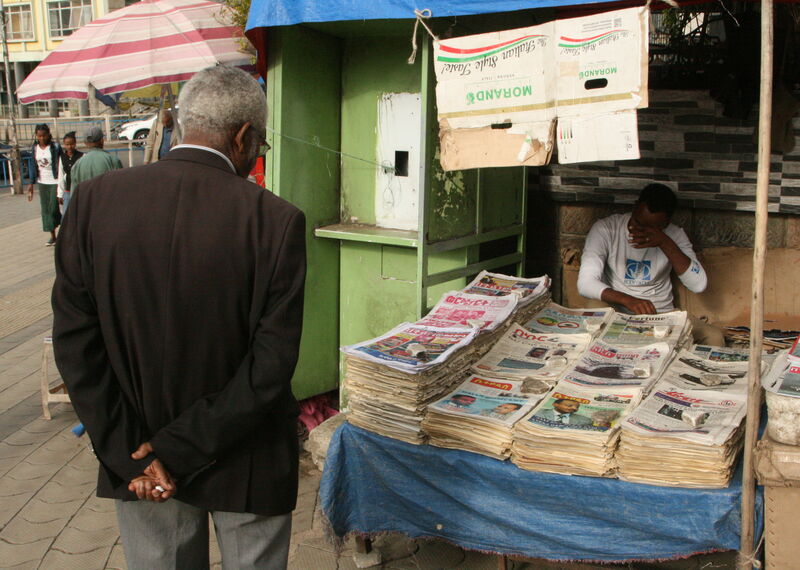
As Ethiopia approaches its national election scheduled for June 1, 2026, the environment for independent journalism has become increasingly precarious. Reports indicate a systematic effort by authorities to restrict the flow of information, raising significant concerns among human rights observers regarding the state of press freedom in the country. This period of intensified scrutiny comes as citizens prepare to participate in the electoral process, a moment when access to diverse and reliable information is considered essential for a transparent democratic exercise.
The current climate is characterized by reports of journalists facing arbitrary arrests, surveillance and enforced disappearances. These actions, coupled with the revocation of media accreditations and the suspension of licenses for various media houses, have created a landscape where many in the press feel compelled to engage in self-censorship to avoid potential reprisals. The situation has prompted calls from international observers for the Ethiopian government to reverse these trends and ensure that the media can operate without fear of state-led interference.
The Impact of Official Restrictions on Electoral Reporting
The challenges facing the media extend beyond individual safety to the structural requirements imposed on outlets. According to accounts provided by media representatives, the National Election Board of Ethiopia (NEBE)—the independent constitutional body responsible for overseeing the country’s electoral processes—has mandated an “oath” as a prerequisite for journalists seeking accreditation to cover the upcoming vote. First introduced in 2021, this requirement obligates media organizations to adhere to specific directives for election coverage and effectively mandates that they acknowledge the illegality of publishing information deemed “false” by the Board.

Critics argue that the language used in these directives is sufficiently broad to allow for subjective interpretation, effectively granting the Board the authority to determine the legitimacy of news reporting. This, in turn, has hindered the ability of journalists to provide comprehensive coverage of the political landscape. Many editors have reported that they are unable to publish investigative pieces because potential sources—particularly opposition politicians—are increasingly unwilling to go on the record. The fear is palpable. sources often decline to disclose their identities, citing concerns that their communications are being monitored by intelligence services.
“I had to drop a story because every quoted politician was anonymous, as they refused to disclose their identity for fear of reprisals for criticizing the government or the ruling party,” one editor noted, highlighting the chilling effect these policies have on public discourse. This atmosphere of apprehension is further compounded by a perceived lack of transparency from the election board, which journalists say has restricted their ability to access information critical to the electoral process.
Framing Journalism as a National Threat
The hostility toward independent reporting is not occurring in a vacuum. In recent months, high-ranking government officials have increasingly utilized rhetoric that characterizes critical journalism as a threat to national interests. Such statements have been echoed by the Ethiopian Media Authority (EMA), the regulatory body tasked with overseeing media operations. This framing serves as a foundational pretext for the ongoing crackdown, allowing authorities to justify the suspension of media registration and the revocation of credentials for both local and international journalists.
The regulatory landscape has seen significant shifts over the past year. The EMA has previously taken action against outlets such as Addis Standard and Wazema Radio, suspending their registrations. The accreditation of international media personnel, including those from Reuters, has been revoked, often in connection with coverage that the government deemed problematic regarding sensitive security issues, such as the presence of foreign armed groups within Ethiopian territory.
The consolidation of these restrictive practices suggests a broader, more systemic effort to limit the influence of independent media outlets in the lead-up to the election. By labeling independent inquiry as a national security risk, the government effectively narrows the window for public accountability, leaving voters with fewer channels to access unbiased information about the candidates and the electoral process itself.
What Lies Ahead for Ethiopia’s Media Landscape
As the June 1 election date approaches, the international community faces growing pressure to address these developments. Regional and international human rights bodies have been urged to speak out against the systematic dismantling of independent media, emphasizing that the free flow of information is a vital component of a credible electoral process. Development partners, in particular, are being called upon to engage with Ethiopian authorities to ensure that the fundamental right to freedom of expression is upheld.

For the Ethiopian public, the immediate concern remains the ability to access information that is not subject to state-mandated filters or the threat of reprisal. The role of the National Election Board of Ethiopia will continue to be a focal point, as its directives and the enforcement of the accreditation oath serve as the primary legal mechanisms currently shaping the boundaries of election coverage. Whether the authorities will choose to ease these restrictions in the final days before the vote remains a critical question for observers both within and outside the country.
The situation remains fluid. Stakeholders are encouraged to monitor official updates from the National Election Board of Ethiopia and relevant international human rights watchdogs for further developments as the country nears the polls. We invite our readers to share their perspectives on this developing story in the comments section below.
- Japan and China Clash Over Conflicting Reports of Foreign Ministers’ Meeting
- Saudi Arabia Under Houthi Attack: Iran Tensions and the Battle for Oil Security
- Conservative Warns Against Moscow Propaganda and Ukraine Criticism (world-today-news.com)
- Security Measures Deployed in AJK Ahead of Elections Over Allegations of Electoral Irregularities (newsdirectory3.com)