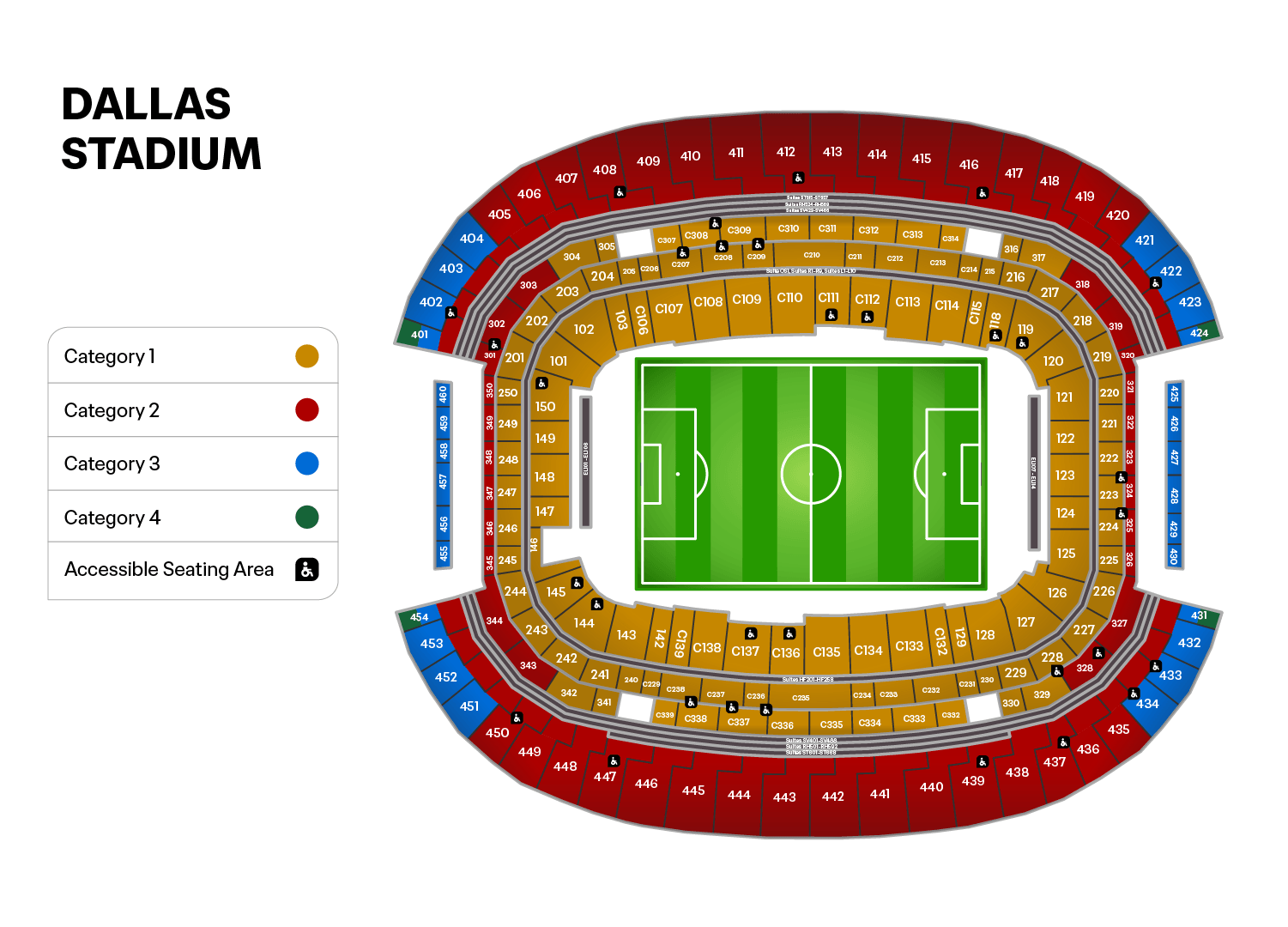
As the international sporting community turns its eyes toward the 2026 FIFA World Cup™, the spotlight is intensifying on the North American venues set to host the world’s most prestigious football tournament. Among the most anticipated sites is the stadium in Arlington, Texas—often referred to in global media as the Dallas venue—which serves as a cornerstone of the tournament’s infrastructure. With the expansion of the competition to 48 teams, the logistical demands on host cities have never been greater, and for North Texas, this represents a significant moment in its sporting history.
The facility, officially known as AT&T Stadium, has been selected to host a total of nine matches during the 2026 tournament, the highest number of games allocated to any single venue in the competition. This designation underscores the region’s capacity to manage large-scale international events. For fans planning their travel, navigating the specific requirements for match days at this venue will be essential to ensuring a seamless experience in the heart of Texas. The venue is part of a broader network of 16 cities across Canada, Mexico, and the United States tasked with delivering the FIFA World Cup 2026™.
Infrastructure and Capacity: A Global Stage in Arlington
The stadium, home to the Dallas Cowboys of the National Football League, is renowned for its massive footprint and technological capabilities. Designed with a retractable roof and a seating capacity that can be expanded to accommodate over 80,000 spectators for major events, it stands as one of the most versatile venues in the United States. FIFA has confirmed that the venue will host matches throughout the group stage, as well as critical knockout round fixtures, making it a focal point for the tournament’s progression.
Preparation for the World Cup involves significant adjustments to the pitch. Because the facility typically hosts American football, the installation of a FIFA-compliant natural grass surface is a primary requirement for the tournament. FIFA’s technical guidelines mandate specific turf standards to ensure player safety and match quality, a process that is currently being coordinated between stadium management and global football authorities. According to Dallas Sports Commission, the region has been preparing for the influx of global visitors by upgrading local transportation and fan zones to support the expected surge in international tourism.
Navigating Match Day: Practical Considerations for Global Fans
For international visitors, understanding the layout and the surrounding infrastructure of the Arlington site is paramount. The stadium is located approximately 20 miles west of downtown Dallas, requiring careful coordination for transit. Unlike some European cities with dense public rail networks directly connected to stadiums, the North Texas region relies heavily on a mix of shuttle services, rideshare, and private vehicle logistics for major events.

FIFA encourages all attendees to monitor the official FIFA World Cup 2026™ host city portal for real-time updates regarding match-day transport, security protocols, and entry requirements. Given the expected temperatures during the summer months in Texas, the stadium’s climate-controlled environment will be a critical factor in maintaining player performance and spectator comfort. Fans are advised to secure digital tickets through the official FIFA ticketing platform to avoid unauthorized resellers, as the organization has implemented strict digital-first entry policies for all venues.
Key Considerations for Attendees
- Ticketing: All tickets will be managed through official FIFA channels; avoid third-party marketplaces that do not guarantee entry.
- Transportation: Plan your commute early; the Arlington area will feature dedicated fan transit hubs to mitigate traffic congestion.
- Climate: While the stadium is climate-controlled, the surrounding fan zones will be outdoors; prepare for high heat and humidity typical of a North Texas June and July.
- Accessibility: The venue is fully equipped for ADA compliance; international visitors with specific accessibility needs should review the official venue guide well in advance of their arrival.
The Economic and Cultural Impact of the 2026 Tournament
The selection of the Dallas area as a host site is not merely a logistical decision; it is an economic driver for the state of Texas. Estimates from local officials suggest that the tournament will generate hundreds of millions of dollars in economic impact through tourism, hospitality, and local commerce. Beyond the balance sheet, the event serves as an opportunity for the region to showcase its cultural diversity to a global audience of billions.

As the tournament approaches, the local organizing committee is working to ensure that the “host city experience” extends beyond the 90 minutes of play. This includes the development of public viewing areas, cultural festivals, and community engagement initiatives designed to integrate the local population into the global celebration of football. The United States Soccer Federation remains a key partner in these efforts, ensuring that the legacy of the tournament continues long after the final whistle in 2026.
Looking Ahead: The Path to Kickoff
The journey toward the 2026 FIFA World Cup™ is ongoing. The next major checkpoint for fans and stakeholders will be the release of the finalized match schedule updates and the opening of the official volunteer program registration. FIFA is expected to provide further detailed information regarding venue-specific fan guides in the months leading up to the tournament, which will include comprehensive details on prohibited items, bag policies, and gate entry times.
As we continue to monitor the developments in Arlington, we remain committed to providing accurate, verified reporting on the state of global sports infrastructure. The 2026 tournament represents a complex, multi-national undertaking that requires precise coordination. We encourage our readers to stay engaged with official updates and to share their thoughts on the preparations as we count down to the opening match.
What are your expectations for the 2026 tournament in North America? Join the conversation below and share your thoughts on how the host cities are preparing for this historic event.
Keep reading