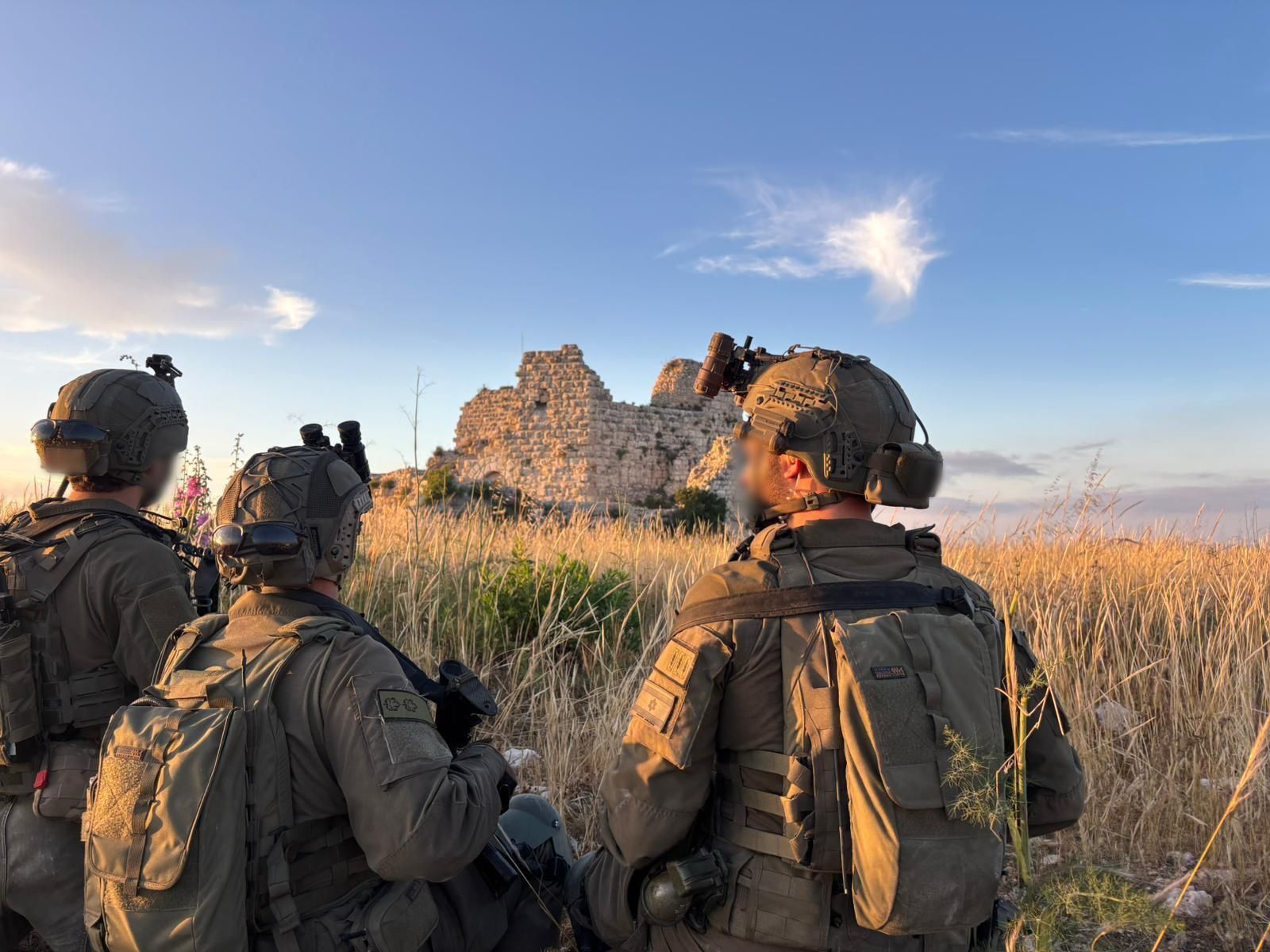
The security situation in the Middle East has entered a period of heightened volatility as the Israel Defense Forces (IDF) announced plans to expand ongoing operations in Lebanon. This intensification of military activity, which comes amid a broader regional conflict, marks a significant shift in the operational scope of the IDF’s mission against Hezbollah, the Iran-backed militant group based in Lebanon.
As the conflict continues to evolve, the international community remains focused on the humanitarian and geopolitical implications of these expanding operations. The escalation has prompted sharp condemnation from Lebanese officials, who have characterized the military maneuvers as a dangerous departure from previous engagement patterns. For those monitoring the crisis, understanding the localized impact—particularly regarding evacuation orders and territorial control—is essential to grasping the gravity of the current trajectory.
Operational Expansion and Strategic Shift
The Israeli military has officially confirmed that its ground operations against Hezbollah are currently being extended to additional sectors within Lebanon. This decision follows a period of persistent cross-border fire and represents a broadening of the campaign that has defined the recent weeks of regional instability. Military officials have indicated that these actions are necessary to address the security threats posed by the militant group, which maintains a significant presence in the southern regions of the country.
The expansion has been accompanied by specific directives for civilians in affected areas. The IDF has issued formal evacuation orders for residents across several villages in southern Lebanon, urging them to move to safer locations to avoid the direct path of military maneuvers. Such measures underscore the severity of the situation on the ground, where the proximity of civilian infrastructure to conflict zones continues to present significant challenges for humanitarian safety. Further details regarding the status of these operations can be found via official updates provided by the Israel Defense Forces.
Diplomatic Tensions and Official Responses
The Lebanese government has responded to the IDF’s announcements with urgent warnings regarding the potential for wider regional destabilization. Prime Minister Najib Mikati has publicly denounced what he described as an “unprecedented and dangerous escalation,” calling into question the strategic objectives behind the broadening of the ground campaign. The rhetoric from Beirut emphasizes the risk of collective punishment and the long-term impact on the already fragile stability of the Lebanese state.
International observers note that the current escalation is part of a complex, multi-front security environment. With the involvement of various state and non-state actors, the risk of miscalculation remains high. Diplomatic efforts, led by various international intermediaries, are currently attempting to establish communication channels to prevent the conflict from spiraling into a wider, uncontrollable regional war. The United Nations and other international bodies continue to urge all parties to adhere to international humanitarian law and prioritize the protection of non-combatants, as outlined in recent statements regarding the Middle East conflict.
Impact on Regional Stability
The tactical shift by the IDF—including reports of renewed activity in historically significant areas—has drawn attention to the changing nature of the conflict. Military analysts suggest that the focus remains on neutralizing infrastructure that facilitates cross-border attacks. However, the human cost of these operations is rising, with thousands of families facing displacement as evacuation orders expand across the southern border region.
The situation remains fluid. As of Sunday, May 31, 2026, military operations are ongoing, and the potential for further expansion remains a central concern for regional security analysts. The international community is closely watching for any signs of a diplomatic breakthrough, though current indicators suggest that both sides remain entrenched in their respective security strategies.
Key Developments at a Glance
- Operational Scope: The IDF has confirmed the extension of ground operations into new sectors of southern Lebanon.
- Civilian Safety: Formal evacuation orders are currently in effect for seven villages in the southern region of the country.
- Diplomatic Stance: The Lebanese government has formally protested the escalation, citing grave concerns over the humanitarian impact on the civilian population.
We will continue to monitor the situation as official reports become available from government and military spokespeople. As the region navigates this precarious period, the emphasis remains on the potential for a ceasefire or a de-escalation of hostilities. Readers are encouraged to keep track of further updates through verified international news outlets and official government briefings. We invite you to share your thoughts or questions in the comments section below as we continue our coverage of this developing story.
- Kuwait Intercepts 32 Drones Amid US Strikes on Iran and Regional Tensions
- Is De Larrea Now the Team’s Best Playmaker?
- India deepens military relations with an African military sanctioned by the US’ Treasury (archyworldys.com)
- Trump Escalates Military Strikes on Iran to Force Negotiations (world-today-news.com)