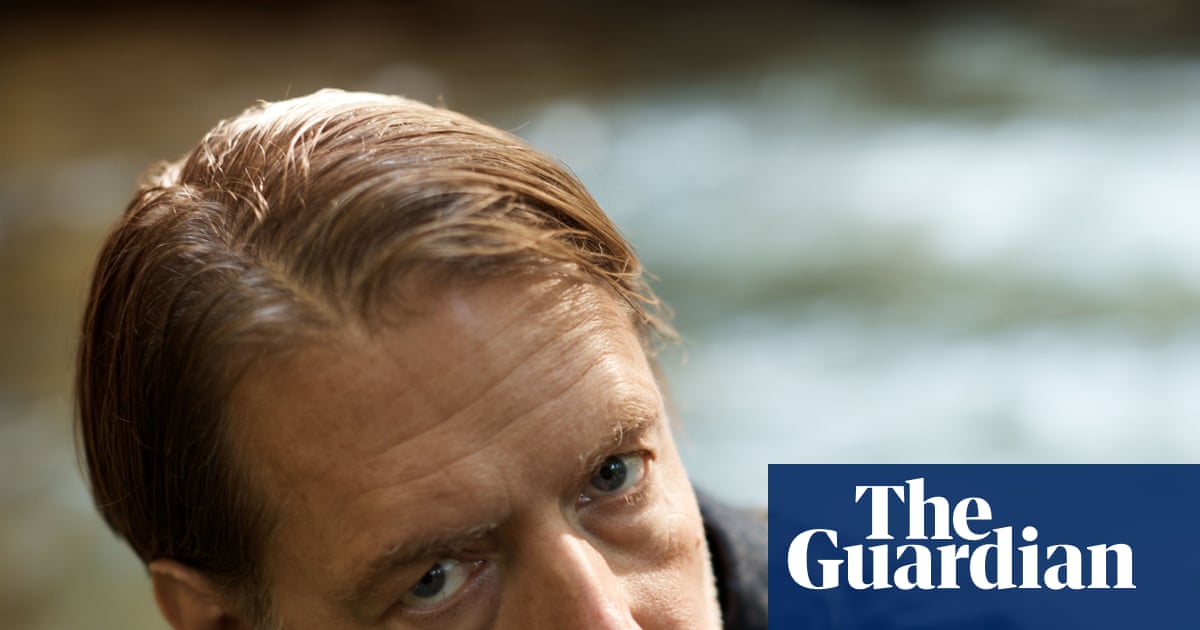
As a longtime observer of the British music scene, I have often found that the most compelling insights into an artist’s sound come not from their technical gear, but from the formative records that shaped their ear. Ed O’Brien, the innovative guitarist for the English rock band Radiohead, has recently shared a window into his personal musical evolution. By reflecting on his own “honest playlist,” O’Brien offers a rare glimpse into the influences that predated his own rise to global prominence with the band that formed in Abingdon, Oxfordshire, in 1985.
For those of us who have followed the band’s trajectory from their 1993 debut album, Pablo Honey, through the experimental shifts of Kid A, hearing O’Brien’s foundational memories feels like uncovering the DNA of a modern rock institution. His journey—from a 10-year-old swept up in international football fever to a teenager navigating the emotional highs and lows of the 1980s music scene—highlights how deeply personal listening habits inform a lifetime of creative output. Whether he is discussing his early penchant for pop anthems or his deep appreciation for the artistry of George Michael, O’Brien’s perspective serves as a reminder that even the most experimental musicians are built on a foundation of classic, heartfelt songcraft.
From World Cup Fever to Musical Discovery
Every artist’s internal library begins somewhere, and for O’Brien, the spark was ignited by the 1978 FIFA World Cup. At the time, the young guitarist developed a profound affinity for the Scottish national team—a choice influenced by the fact that England had not qualified for the tournament. He fondly recalls the 1978 Scottish squad, including players such as Kenny Dalglish, Gordon McQueen, Martin Buchan, and Alan Rough. This early exposure to the “Tartan Army” anthem, the official Scottish World Cup song of that year, represents one of his earliest purchases and a definitive moment of youthful enthusiasm.


The transition from casual fan to dedicated music obsessive often arrives with the intensity of first love. O’Brien’s experience is no exception; at 17, he found himself infatuated with a girl named Mary, whose devotion to The Smiths was absolute. In a bid to bridge the gap and perhaps win her favor, O’Brien acquired the 1984 compilation album Hatful of Hollow. His plan was to serenade her with the track “William, It Was Really Nothing.” While he admits with characteristic humility that his own musical efforts may not have garnered the same level of adoration as the band itself, the memory remains a cornerstone of his early musical identity.
The Evolution of a Radiohead Sound
The path from those early days of listening to the Smiths to the complex production of Radiohead’s landmark 1997 record, OK Computer, is well-documented in the band’s history. Since the mid-1990s, the group—comprising O’Brien, Thom Yorke, Jonny Greenwood, Colin Greenwood, and Philip Selway—has consistently challenged the boundaries of alternative rock. Their collaborative work with producer Nigel Godrich and artist Stanley Donwood has become synonymous with an era of music that prioritized experimentation over convention. According to the official Radiohead discography, the band’s evolution has spanned from the guitar-driven hits of the mid-90s to the electronic and jazz-infused landscapes of Kid A and Amnesiac.
O’Brien’s recent reflections suggest that while his tastes have shifted away from the indie music that defined his youth, the core appreciation for “genius” songwriting remains. His admiration for figures like George Michael speaks to a respect for vocal and melodic precision that transcends genre. This respect for high-level craft is evident in the band’s ongoing projects, including the KID A MNESIA exhibition project, which revisited the multitracks of their seminal early 2000s era. The project, which utilizes a purpose-built film and art installation, demonstrates the band’s persistent desire to re-examine and re-render their own history.
YouTube: Radiohead Official Channel
Looking Ahead: The Legacy of a Band
As of May 2026, Radiohead remains an active force in the music world, with their official website serving as the primary hub for their ongoing archives and artistic endeavors. The band’s ability to remain relevant for over four decades is a testament to their adaptability and their refusal to remain static. For fans and fellow musicians alike, O’Brien’s insights provide more than just a list of songs; they offer a reminder that the best music is often that which mirrors our most authentic moments—whether those moments involve serenading a crush or cheering on a team from across the border.
What remains certain is that the band’s influence on alternative rock continues to be a subject of global interest. As we look toward the future, fans can keep an eye on the official Radiohead website for any upcoming announcements regarding their extensive back catalog or future archival projects. We invite you to join the conversation below: What was the first album you ever bought, and how does it compare to the music you listen to today? Share your thoughts with our community.
Worth a look