
A federal jury in Chicago has delivered a significant verdict in the ongoing legal saga surrounding the Boeing 737 MAX, ordering the aerospace giant to pay nearly $50 million to the family of Samya Stumo. Stumo, a 24-year-old humanitarian worker, was among the 157 passengers and crew who perished in the crash of Ethiopian Airlines Flight 302 on March 10, 2019. The tragedy occurred just five months after the crash of Lion Air Flight 610 in Indonesia, marking the second fatal incident involving the then-newly introduced 737 MAX model. Combined, these two disasters claimed the lives of 346 people, as reported by the U.S. Department of Justice.
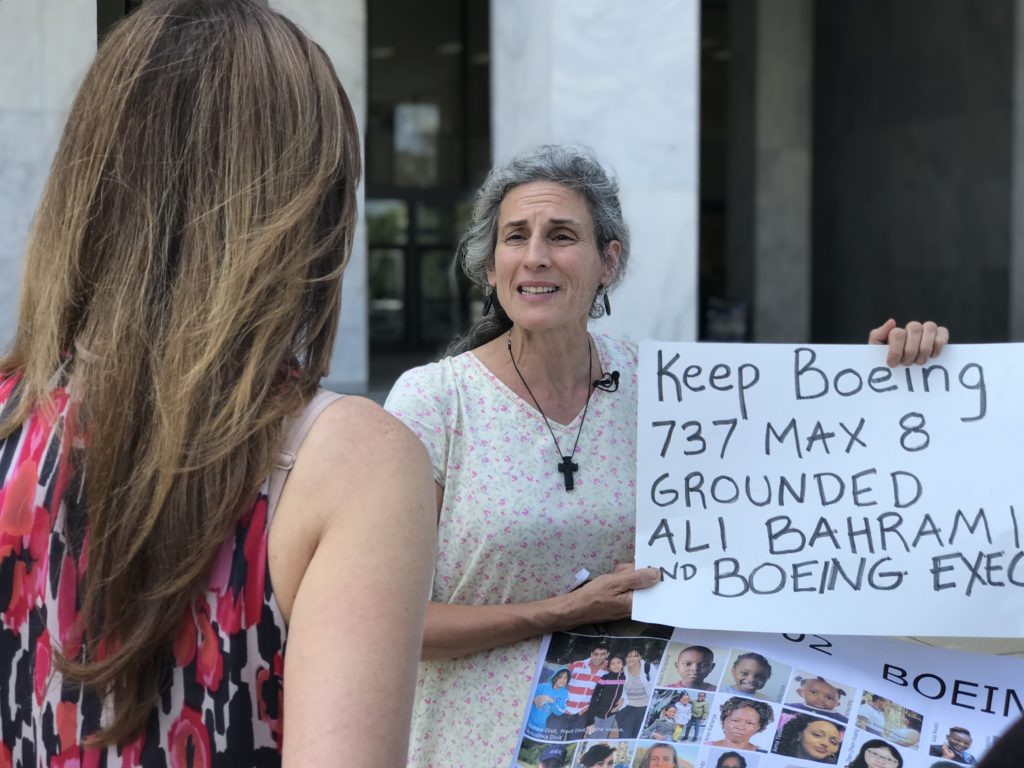
For the families involved, the pursuit of justice has been a grueling, multi-year process aimed at uncovering the systemic failures that allowed a flawed flight control system—the Maneuvering Characteristics Augmentation System, or MCAS—to remain in service. While the $50 million award represents a notable financial milestone, Nadia Milleron, Samya Stumo’s mother, has made it clear that her fight extends far beyond compensatory damages. “They knew that there was a malfunction with the plane. The plane crashed in Indonesia, and then somebody inside the company decided to keep flying the plane and did not fix whatever it is that was wrong,” Milleron stated in recent remarks regarding the trial’s outcome.
As a financial journalist, I have spent nearly two decades analyzing corporate governance and the intersection of market pressure and public safety. The Boeing 737 MAX crisis serves as a stark case study in how organizational culture can override engineering warnings. The jury’s decision highlights the tension between a corporation’s desire to resolve legal liabilities through settlements and the victims’ families’ persistent demand for full transparency regarding Boeing’s safety protocols.
The Path to the Chicago Verdict
The litigation surrounding the 737 MAX crashes has been complex, involving multiple jurisdictions and a series of high-profile legal filings. The Chicago trial specifically addressed the tragic loss of Samya Stumo, focusing on the company’s knowledge of the MCAS software issues prior to the second crash. According to findings later detailed in a House Committee on Transportation and Infrastructure report, there were significant lapses in the certification process and the dissemination of information to pilots regarding the automated system.
For families like the Stumos, the courtroom has been the only venue where the granular details of internal company communications have been brought into the public record. The jury’s award, which accounts for the loss of a young life and the profound impact on her survivors, underscores the legal system’s recognition of the severity of these failures. However, Milleron’s perspective remains focused on the broader implications for the aviation industry. “This trial that we just had was not about accountability,” she explained. “This idea that they can just pay money and then continue on with the same behavior, that’s what we object to, and that’s why we want to expose what they’re actually doing in the company that could have caused these crashes.”
Corporate Accountability and Safety Culture
The core of the dispute rests on whether financial compensation can ever serve as a proxy for true corporate accountability. In the wake of the 2019 disasters, Boeing entered into a Deferred Prosecution Agreement (DPA) with the U.S. Department of Justice in 2021, which included a $2.5 billion settlement. While that agreement was intended to resolve criminal charges related to the conspiracy to defraud the Federal Aviation Administration (FAA), it did not silence the families who believe the company’s internal safety culture remains a point of concern.
From an economic policy perspective, the Boeing case is a reminder that market-driven innovation—while essential for global commerce—must be tempered by rigorous regulatory oversight. When the pressure to compete with rivals like Airbus leads to the acceleration of aircraft development and the minimization of pilot training requirements, the human cost can be catastrophic. The legal challenges brought by individuals like Nadia Milleron act as a vital check on corporate power, forcing a level of transparency that standard regulatory reviews may sometimes overlook.
Key Takeaways for Stakeholders
- Legal Precedent: The $50 million verdict in Chicago sets a high bar for damages in cases involving gross negligence regarding aviation safety.
- Ongoing Scrutiny: Families of the victims continue to push for judicial and legislative reviews to ensure that settlements do not preclude systemic changes at the manufacturing level.
- Regulatory Reform: The crashes prompted significant changes to the Aircraft Certification, Safety, and Accountability Act, which mandates more stringent oversight of manufacturer-led certification processes.
- The Human Factor: Victims’ families are increasingly using legal forums to highlight the disconnect between corporate PR statements and the reality of their internal safety investigations.
What Happens Next
The legal landscape for Boeing remains active. While the Chicago jury has reached its decision, the broader implications of the 737 MAX crashes continue to evolve. The U.S. Department of Justice has been evaluating whether Boeing complied with the terms of its 2021 DPA, particularly following subsequent safety incidents involving the company’s aircraft, which have led to further congressional hearings and scrutiny from the National Transportation Safety Board (NTSB).
For those following this case, official records and court filings are the most reliable sources of information. The Department of Justice and the National Transportation Safety Board maintain public portals where updates on ongoing investigations are posted. As this story continues to develop, it is essential for the public to remain informed through verified reporting, rather than speculation.
The fight for answers is far from over for the families who lost loved ones in 2019. Nadia Milleron’s resolve to continue pursuing accountability suggests that the conversation regarding Boeing’s corporate ethics will remain a fixture of the business news cycle for the foreseeable future. We will continue to monitor the court dockets and official regulatory filings for any further developments in these proceedings.
What are your thoughts on the balance between corporate settlements and the need for systemic change? I invite you to share your perspective in the comments section below as we continue to track this critical intersection of global aviation, finance, and ethics.
Worth a look