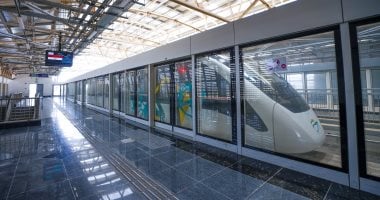
As Egypt continues its ambitious push to modernize its national transit infrastructure, the Cairo Monorail project remains a focal point of the government’s urban development strategy. Lieutenant General Kamel El-Wazir, the Minister of Transport, has recently provided updates regarding the operational timeline for the East Nile line, specifically detailing the expansion of service toward the Stadium station. This development is part of a broader effort to connect the New Administrative Capital with the Greater Cairo area, significantly reducing transit times for millions of commuters.
The East Nile Monorail, which spans approximately 56.5 kilometers, serves as a critical artery in Egypt’s evolving transportation network. The Ministry of Transport has emphasized that the phased launch is designed to ensure safety and system reliability, adhering to international transit standards as established by the Ministry of Transport of Egypt. With the ongoing expansion, the government aims to integrate this modern, driverless rail technology into the daily lives of citizens, marking a significant milestone in the country’s transition toward sustainable urban mobility.
Strategic Expansion and Operational Milestones
The progression of the Cairo Monorail toward the Stadium station is not merely a logistical update; it represents the realization of a long-term urban planning objective. The East Nile line is engineered to link East Cairo with the New Administrative Capital, passing through key residential and commercial hubs. According to official government project specifications, the monorail system utilizes advanced, environmentally friendly technology to handle high-density passenger volumes, a necessity for a growing metropolis like Cairo.

The project, which is being executed in partnership with international consortiums, involves rigorous testing phases before full public operation. The Ministry of Transport has confirmed that the expansion to the Stadium station is intended to provide a seamless connection with the existing Cairo Metro network. By facilitating an easier interchange between these two systems, the government expects to alleviate traffic congestion on major arterial roads such as the Ring Road and the Cairo-Suez desert highway. Further details on technical specifications and project milestones can be found through the National Authority for Tunnels, which oversees the implementation of Egypt’s rail transit expansion.
Public Engagement and Modern Transit Culture
Beyond the technical aspects of construction, the Cairo Monorail has become a symbol of modernization for the Egyptian public. In recent months, various state initiatives have sought to familiarize the youth and the general public with the system. Recently, organized visits—including groups participating in national youth initiatives—have highlighted the accessibility and design of the new stations. These events serve to promote a culture of public transit usage, encouraging residents to transition away from private vehicle reliance.
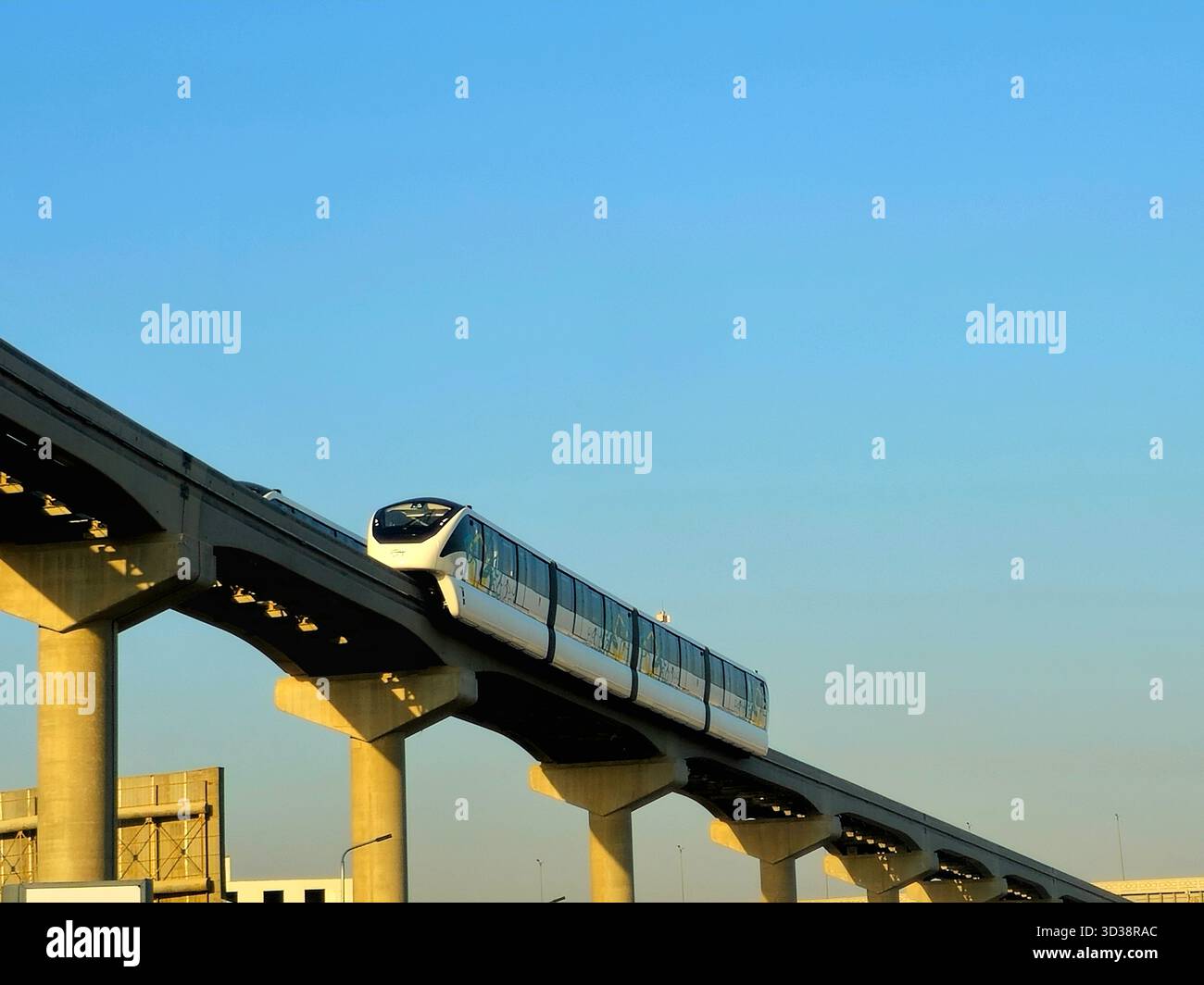
The enthusiasm surrounding the monorail is evident in the high volume of ridership observed during trial runs and public holidays. Officials have noted that these periods of high engagement are essential for testing the system’s operational capacity under real-world conditions. By integrating the monorail into the daily experience of the youth, the state aims to instill long-term habits that support the sustainability of these major infrastructure investments.
Key Takeaways: Understanding the Cairo Monorail
- System Capacity: The East Nile Monorail is designed to transport thousands of passengers per hour, significantly easing pressure on existing road infrastructure.
- Interconnectivity: A primary objective of the expansion is the integration with the Cairo Metro, creating a unified transit network across the capital.
- Technological Focus: The project utilizes driverless, automated train control systems, adhering to international safety and efficiency benchmarks.
- Urban Development: The line is a cornerstone of the development of the New Administrative Capital, facilitating movement between the new city and the historic core of Cairo.
Looking Ahead: Next Steps for Commuters
As of the most recent updates from the Ministry of Transport, the focus remains on finalizing the safety certifications and electrical systems required for the extension to the Stadium station. While specific operational dates can be subject to final safety audits, the Ministry continues to provide periodic updates through its official channels. For residents and commuters, keeping an eye on the National Authority for Tunnels’ announcements is the most reliable way to receive information regarding station openings and updated service schedules.
The Cairo Monorail represents a substantial investment in Egypt’s future, reflecting a broader regional trend toward high-capacity, automated rail transit. As the system nears its next operational phase, the focus will shift from construction to long-term maintenance and service optimization. We invite our readers to share their thoughts on how these infrastructure projects are reshaping their daily commutes in the comments section below.
Related reading