
As a physician and health journalist, I often hear from patients and readers who are concerned about the hidden components of their daily rituals. Among the most common inquiries I receive recently is whether we should be alarmed by the presence of heavy metals in matcha. As green tea consumption continues to rise globally, so does the scrutiny surrounding the environmental conditions under which these leaves are cultivated. It is a valid question: is your morning cup of vibrant, ceremonial-grade matcha a health tonic or a potential source of toxic exposure?
To understand the reality behind the headlines, we must distinguish between the presence of trace elements and actual health risks. Matcha is unique because the entire leaf is powdered and ingested, rather than steeped and discarded. This means that if the soil in which the tea plant (Camellia sinensis) grows contains heavy metals, those elements are more likely to end up in your bowl. However, the European Food Safety Authority (EFSA) and other international bodies maintain rigorous safety standards to monitor the levels of contaminants like lead, cadmium, and arsenic in our food supply.
Understanding the Science of Soil and Tea
The accumulation of heavy metals in tea leaves is not a mystery; it is a matter of environmental science. Plants are natural bioaccumulators, meaning they absorb minerals and trace elements—both beneficial and harmful—from the soil, water, and air. In regions where tea is grown, historical industrial activity or natural geological features can influence the mineral profile of the soil. Because matcha is produced by shading the tea plants before harvest, the plant undergoes physiological changes that can alter its nutrient profile, including how it processes minerals from the ground.

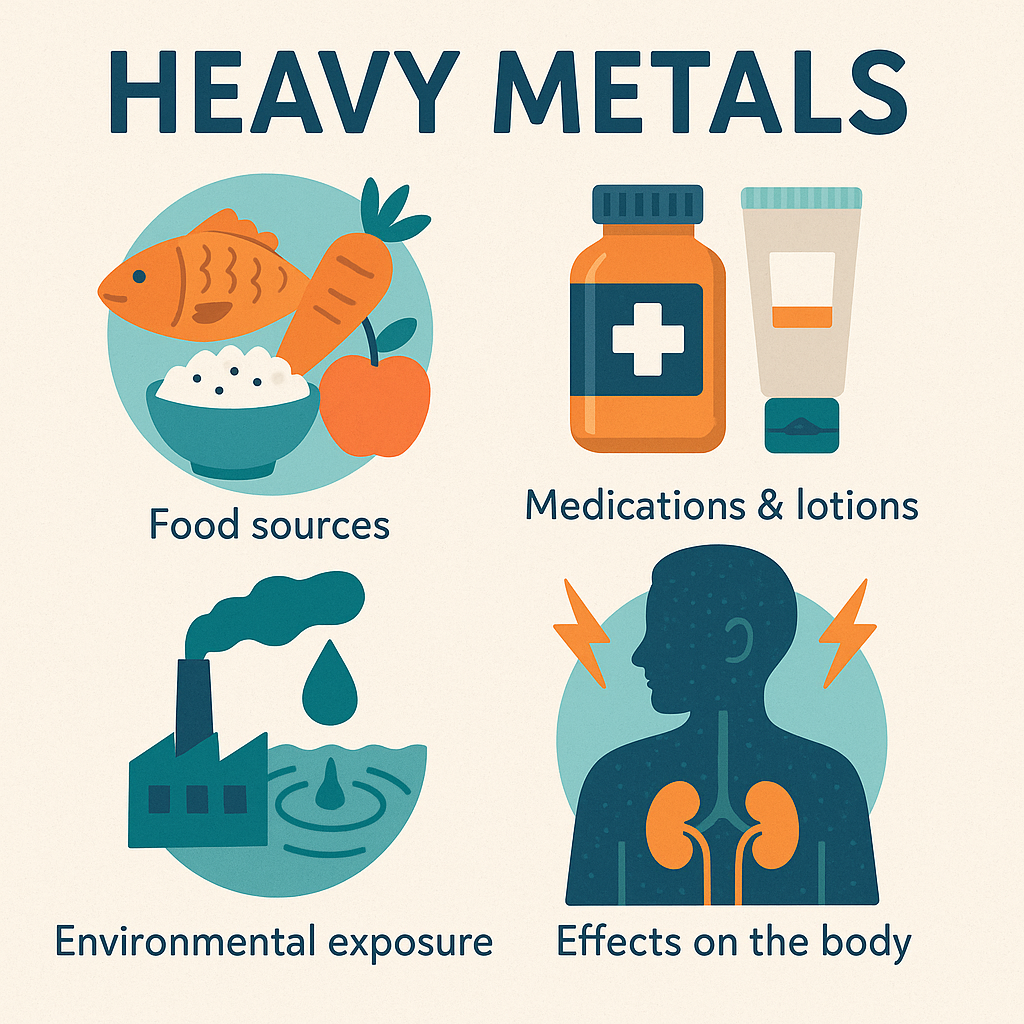
When assessing whether there is cause for alarm, we must look at the data. Regulatory agencies, including the U.S. Food and Drug Administration (FDA) and European health authorities, establish “Maximum Residue Limits” (MRLs) for heavy metals in food products. While trace amounts of these metals are ubiquitous in our environment—found in everything from rice to root vegetables—the levels in commercially available, reputable tea brands are generally kept well below the thresholds that would pose an acute toxicological risk to the average consumer.
The Importance of Sourcing and Transparency
If you are concerned about heavy metals, the most effective step you can take is to evaluate the transparency of the brand you purchase. High-quality matcha producers often invest in third-party testing to ensure their products meet international safety standards. When a brand provides a Certificate of Analysis (CoA) or transparently discusses their sourcing practices, it indicates a commitment to consumer safety that goes beyond basic compliance.

not all matcha is created equal. Tea grown in regions with stricter environmental oversight and testing protocols is inherently safer. Consumers should look for companies that disclose the origin of their tea and, ideally, their testing results for heavy metals. If a company cannot or will not provide this information, it is a reasonable signal to look for an alternative supplier. As with any food product, diversification—not relying on a single source for your entire dietary intake—is a sound public health strategy.
Key Takeaways for the Conscious Consumer
- Check the Origin: Research the region where your matcha is grown; some areas have more stringent environmental monitoring than others.
- Demand Transparency: Prioritize brands that publish third-party laboratory test results for heavy metals and pesticide residues.
- Moderation is Key: While matcha is rich in antioxidants like EGCG, it should be consumed as part of a varied, balanced diet rather than as a sole source of nutrition.
- Avoid “Too Good to Be True” Prices: Extremely low-cost matcha may bypass the quality control measures that reputable, higher-priced brands implement.
What Happens Next: Regulatory Oversight
Public health policy regarding heavy metals in food is an evolving field. The World Health Organization (WHO) continues to work with international partners to refine food safety guidelines as new research on long-term, low-level exposure becomes available. For consumers, this means that safety standards are likely to become more, not less, stringent over time.
While the current consensus among medical professionals is that moderate consumption of high-quality matcha does not pose a significant health threat, individual health profiles vary. If you have concerns about your specific heavy metal exposure—particularly if you consume large quantities of tea daily—I recommend discussing this with your primary care physician. They can help you contextualize your dietary habits within your overall health picture. We will continue to monitor updates from international food safety agencies regarding contamination thresholds and will provide further analysis as new regulatory guidance is released.
Have you checked the sourcing information on your favorite tea brand lately? Join the conversation in the comments section below and share your thoughts on how we can better advocate for transparency in the food industry.
Related reading