
As we navigate an increasingly digital landscape, the physical toll of our modern lifestyle is becoming impossible to ignore. From office workers tethered to ergonomic chairs to students hunched over tablets, the global rise in sedentary behavior is placing unprecedented mechanical stress on the human spine. Orthopedic specialists are sounding the alarm: prolonged inactivity is not merely a precursor to weight gain or cardiovascular issues, but a primary driver of chronic spinal degradation and musculoskeletal dysfunction.
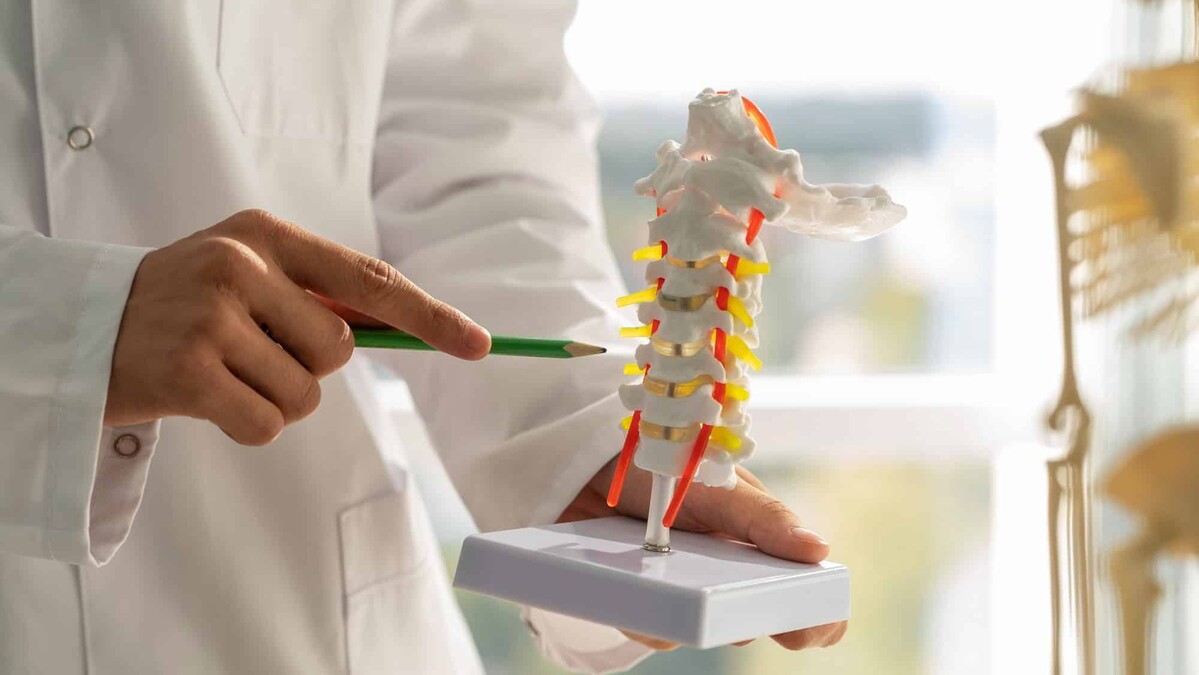
The human spine, an intricate architecture of vertebrae, discs, and ligaments, is designed for movement. When we remain static for extended periods, we disrupt the natural circulation of nutrients to our intervertebral discs—a process that relies on the “pumping” action created by physical activity. As this mechanical stimulus wanes, the discs lose their hydration and elasticity, leading to premature wear and tear. This silent crisis is manifesting in clinics worldwide as a surge in patients presenting with degenerative disc disease, chronic lower back pain, and cervical strain at increasingly younger ages.
Beyond the immediate discomfort, the long-term implications for global public health are significant. According to the World Health Organization, low back pain is the single leading cause of disability worldwide, affecting nearly 619 million people in 2020. As sedentary habits continue to climb, medical professionals are emphasizing that spinal health must be viewed as a foundational pillar of overall wellness rather than an afterthought to be addressed only once a patient reaches the point of surgical intervention.
The Mechanics of Modern Spinal Strain
The “tech-neck” phenomenon and the “slumped-desk” posture are more than just aesthetic concerns; they are biomechanical stressors. When the head is held in a forward-leaning position to view a screen, the pressure on the cervical spine can increase by up to 60 pounds, depending on the angle of inclination. This sustained load creates muscle imbalances, forcing the deeper stabilizer muscles to fatigue and eventually atrophy. Over time, this leads to structural shifts that can compress nerves and accelerate the development of herniated discs.

Orthopedic surgeons are observing that the lack of core engagement—often a casualty of prolonged sitting—leaves the lumbar spine unsupported. Without the protective activation of the abdominal and multifidus muscles, the spinal column bears the brunt of every movement. This is compounded by the fact that many individuals do not maintain neutral pelvic alignment while seated, which tilts the lumbar spine into a flattened or rounded position, further straining the posterior ligaments.
For those interested in understanding the biomechanical risks, the American Academy of Orthopaedic Surgeons provides comprehensive guidance on maintaining neutral posture and integrating movement into the workday. The consensus among experts is clear: the body is a kinetic entity, and prolonged static loading is fundamentally contrary to its evolutionary design.
Advances in Spinal Surgical Technology
While preventative measures remain the gold standard, medical innovation is providing new avenues for those who have already sustained significant spinal damage. The field of minimally invasive spine surgery (MISS) has undergone a transformation with the integration of robotic-assisted navigation systems. These platforms allow surgeons to map the patient’s anatomy with sub-millimeter precision, significantly reducing the size of incisions and the disruption to surrounding muscle tissue.
Robotic navigation is particularly effective in complex procedures such as spinal fusions or decompressions. By utilizing preoperative imaging and real-time intraoperative tracking, surgeons can place hardware with a level of accuracy that was previously difficult to achieve in traditional “open” surgeries. The benefits for the patient are tangible: shorter hospital stays, reduced postoperative pain, and a faster return to baseline activity. These advancements represent a major shift in how we treat chronic spinal conditions, moving away from invasive reconstructive techniques toward precision-based, technology-driven solutions.
However, it is crucial to note that while technology offers superior surgical outcomes, it is not a substitute for lifestyle modification. Robotic surgery is a tool for correction, not a cure for the underlying sedentary habits that lead to degeneration. The most sustainable path to spinal longevity remains a proactive regimen of movement, strength training, and ergonomic awareness.
Strategies for Spinal Longevity
Implementing change does not require a radical departure from professional life, but rather a series of intentional adjustments. The goal is to interrupt the cycle of static loading. Small, frequent movements are often more effective than a single, intense workout at the end of a long day.

- The 30-Minute Rule: Set a timer to stand, stretch, or walk for at least two minutes for every 30 minutes of seated work. This simple habit keeps the intervertebral discs hydrated and prevents muscle stiffness.
- Ergonomic Optimization: Ensure your monitor is at eye level to avoid forward head posture, and use a chair that supports the natural curvature of your lumbar spine.
- Active Commuting and Movement: Incorporate walking or cycling into your daily transit whenever possible. The rhythmic motion of walking is essential for spinal health, as it facilitates the natural rotation and shock absorption of the vertebrae.
- Core Strengthening: Focus on exercises that engage the deep stabilizers of the spine, such as planks or controlled core-stabilization movements, rather than superficial abdominal exercises.
As we look toward the future of global health, the integration of technology and preventative medicine will be paramount. We are currently tracking ongoing research into the long-term efficacy of robotic-assisted spinal procedures, with major peer-reviewed journals, including those indexed by the National Library of Medicine, regularly publishing updates on patient outcomes and hardware durability. While surgical robotics will continue to evolve, the most important “advancement” remains the individual’s commitment to movement.
The next major checkpoint for global spinal health discussions will be the upcoming annual meeting of the International Society for the Advancement of Spine Surgery, where experts will present new data on the intersection of sedentary behavior and surgical outcomes. We invite our readers to share their own experiences with ergonomic adjustments in the workplace or questions regarding modern spinal care in the comments section below. Your engagement helps us continue to provide the balanced, evidence-based reporting that our global community relies upon.