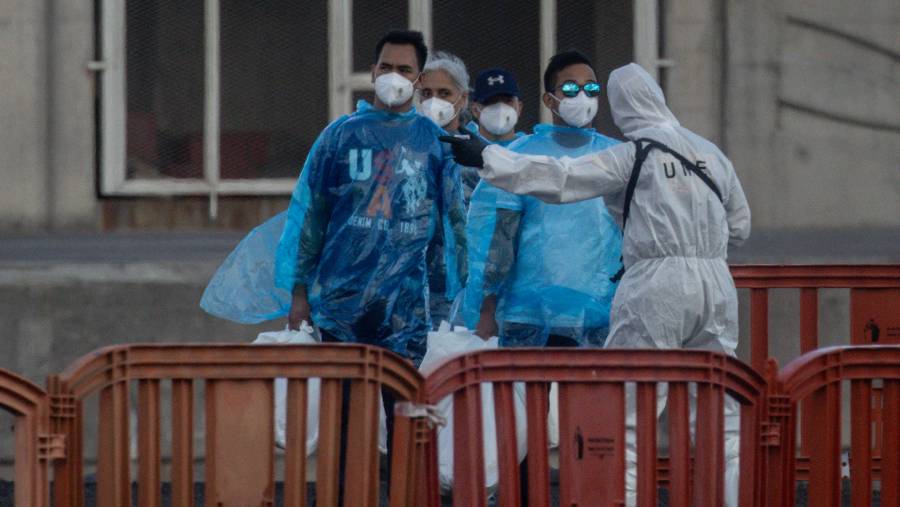
As the international medical community monitors the situation, the management of a suspected hantavirus outbreak on a cruise ship remains a critical focus for public health officials. The presence of this rare but potentially severe viral infection has necessitated strict quarantine measures to prevent further transmission, highlighting the complexities of managing infectious disease risks in maritime travel environments.
Hantaviruses, which are primarily zoonotic in nature, are typically transmitted to humans through contact with the urine, droppings, or saliva of infected rodents. While human-to-human transmission is considered highly unusual, the evolving circumstances aboard the vessel have prompted intensive clinical monitoring and public health oversight to ensure the safety of all passengers and crew, as noted by the World Health Organization.
Understanding Hantavirus and Its Transmission
Hantaviruses comprise a broad family of viruses associated with specific rodent reservoir species. In the Americas, these viruses are known to cause hantavirus cardiopulmonary syndrome (HCPS), a rapidly progressive and severe respiratory condition that affects both the lungs and the heart. In other regions, such as Europe and Asia, the virus more commonly manifests as hemorrhagic fever with renal syndrome (HFRS), which primarily impacts the kidneys and blood vessels. According to the Centers for Disease Control and Prevention (CDC), the incubation period for these illnesses typically ranges from one to eight weeks following exposure.

The primary route of infection remains contact with rodents, though the recent events on the cruise ship off the coast of West Africa have drawn attention to the necessity of rigorous screening. Because there is currently no specific cure for hantavirus, medical management focuses on early supportive care, including the treatment of respiratory, cardiac, and kidney complications. Survival rates are significantly improved through early detection and intensive clinical monitoring.
Public Health Response and Maritime Safety
When an infectious disease outbreak occurs in a confined environment like a cruise ship, health authorities must balance the need for rapid containment with the logistical challenges of providing care at sea. Quarantine protocols are standard procedure in such instances to break the chain of transmission. The current situation serves as a reminder of the global nature of health security, where local outbreaks can rapidly become matters of international concern.
Public health experts emphasize that prevention is the most effective strategy. This includes reducing interactions between humans and rodent populations, particularly in areas where the virus is known to be endemic. For travelers and cruise operators, this underscores the importance of maintaining high sanitary standards and rodent control measures on board vessels to mitigate the risk of zoonotic transmission.
Clinical Symptoms and Monitoring
Early symptoms of hantavirus infection can be easily mistaken for other common illnesses, which complicates diagnosis. Initial signs often include fatigue, fever, and muscle aches, particularly in large muscle groups such as the thighs, hips, and back. As the disease progresses, patients may experience abdominal distress, including nausea, vomiting, and diarrhea. In the case of HCPS, the later stages of the illness are marked by the onset of coughing and shortness of breath as the lungs fill with fluid.
Given the severity of the potential outcomes, medical professionals involved in the current response are maintaining a high index of suspicion for any individual presenting with influenza-like symptoms. Continuous observation is vital, as the transition from early, non-specific symptoms to severe respiratory distress can occur rapidly, often four to ten days after the initial phase of the illness.
Looking Ahead
As health agencies continue to assess the data from the affected vessel, the focus remains on the completion of necessary quarantine periods and the provision of high-quality supportive care to those who have fallen ill. The international community awaits further updates from health authorities regarding the resolution of the quarantine and the status of the passengers currently under observation.

For those interested in the latest developments, official advisories from national health ministries and global organizations such as the World Health Organization provide the most accurate and up-to-date information regarding the containment and management of this outbreak. We will continue to monitor the situation as more verified data becomes available.
If you have found this analysis helpful, please share this article with your network. For further updates on global public health, we encourage you to follow our ongoing coverage at World Today Journal.
Worth a look