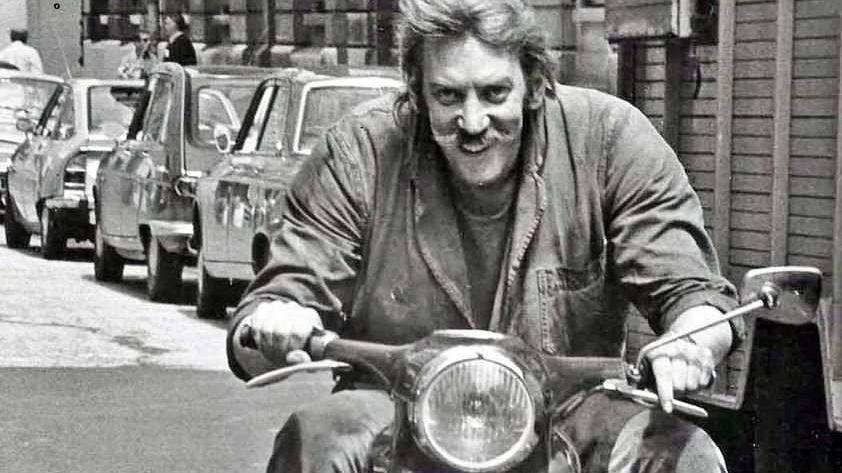
In the golden age of Hollywood, the intersection of rugged individualism and mechanical innovation often captured the public imagination. Among the most enduring images of mid-century cinematic icons is the photograph of Steve McQueen, the “King of Cool,” purportedly astride a Jawa motorcycle. For decades, this image has circulated among motorcycle enthusiasts and film historians alike, serving as a testament to the global reach of Czechoslovak engineering. However, as with many pieces of pop-culture lore, the reality behind the lens is often more nuanced than the myth suggests.
At the heart of this discussion is the legacy of Jawa Moto, a manufacturer founded in Prague in 1929 by František Janeček. The brand achieved significant international acclaim, particularly with the introduction of the Jawa 250/353, famously known as the “Kývačka” or “swinging” model, which became a staple of post-war transportation in both Eastern and Western markets. As an observer of both medical history and the cultural impact of mid-century industrial design, I find the enduring fascination with these machines—and their association with stars like McQueen—to be a compelling study in how branding and celebrity culture intersect.
The Intersection of Hollywood Stardom and Czechoslovak Engineering
Steve McQueen was, by all accounts, a genuine motorcycle enthusiast. His passion for off-road racing and his collection of vintage bikes, including Husqvarna and Triumph models, are well-documented in automotive archives. The specific association with the Jawa brand often stems from European photographic archives that surfaced in the late 20th century, depicting a figure closely resembling the actor on a Jawa machine. Yet, verifying the authenticity of such candid, era-specific photography requires a careful examination of provenance and context.
Jawa’s export success was not merely a matter of coincidence. Following the Second World War, the company expanded its presence significantly, exporting to over 120 countries, according to historical data provided by the Jawa Moto official corporate history. The reliability and relative affordability of the 250cc and 350cc models made them highly accessible, even in regions where Western brands dominated. This proves this ubiquity that likely led to the proliferation of images featuring the bikes in diverse settings, occasionally leading to misidentifications in the decades that followed.
Dissecting the Myth: Fact vs. Photographic Folklore
When analyzing the photograph in question, the era of the bike and the timeline of the actor’s career. The Jawa 250/353 was produced starting in 1954, a period during which McQueen was transitioning from his early television roles to the cinematic superstardom that would define the 1960s. While there is no verified record of McQueen holding a formal endorsement deal or a documented personal purchase of a Jawa, the cultural cross-pollination between the Iron Curtain and Western audiences was a reality of the Cold War era.
In many instances, these images are the result of “lookalike” phenomena or promotional shots taken during European press tours where stars were frequently photographed with local products to bolster international trade relations. For those interested in the authentic history of the brand, the Museum of Jawa Motorcycles in Bystřice nad Pernštejnem offers a comprehensive look at the evolution of these machines, providing the necessary context to distinguish between genuine historical artifacts and the romanticized narratives often found in modern online forums.
Why the Jawa Legend Persists
The persistence of the Jawa-McQueen narrative speaks to a deeper human desire to bridge the gap between disparate worlds. During the mid-20th century, mechanical engineering was a primary language of global progress. The Jawa motorcycle represented a triumph of design—a machine that was robust, repairable, and widely available. To imagine an American icon riding a machine from behind the Iron Curtain provides a sense of unity, however symbolic, that transcends the political tensions of the time.
From a public health and industrial perspective, the story of Jawa is also one of resilience. The factory successfully navigated the transition from the pre-war era through the nationalization processes of the 1940s and beyond, maintaining production standards that earned them a reputation for longevity. According to reports from the Czech Tourism Authority, the brand remains an essential part of the nation’s technical heritage, drawing enthusiasts from around the world to events celebrating the design aesthetics of the 1950s and 60s.
Key Takeaways on the Jawa Legacy
- Historical Authenticity: While Steve McQueen was a noted motorcycle collector, there is no verified evidence confirming his personal ownership or endorsement of Jawa motorcycles.
- Brand Global Reach: Jawa Moto expanded into over 120 countries, making its presence in European photography of the era historically plausible.
- Distinguishing Myth: Many “celebrity” photos from that era were promotional in nature, often designed to highlight local manufacturing prowess during international press events.
- Cultural Significance: The Jawa brand remains a vital component of 20th-century industrial design, celebrated today in specialized museums and by heritage collectors.
Looking Ahead: Preserving Mechanical History
As we continue to document the history of the 20th century, it is crucial to rely on institutional records rather than speculative digital content. The study of vintage motorcycles is a legitimate field of historical inquiry, one that benefits from the preservation of original manuals, production ledgers, and photographic archives that can be cross-referenced with verified timelines.
For those seeking to delve deeper into the technical specifications or the historical significance of these machines, I recommend consulting the archives maintained by the Horácké Museum, which frequently hosts exhibitions related to regional technical history. As we move forward, the goal remains to separate the romanticized myths of Hollywood from the tangible, fascinating reality of human engineering.
What are your thoughts on how celebrity culture influences our perception of historical technology? Have you encountered other instances where pop-culture myths obscured the reality of industrial history? I invite you to share your insights and experiences in the comments section below, and I look forward to continuing this discussion in our next feature on the intersection of medicine, technology, and society.
Worth a look