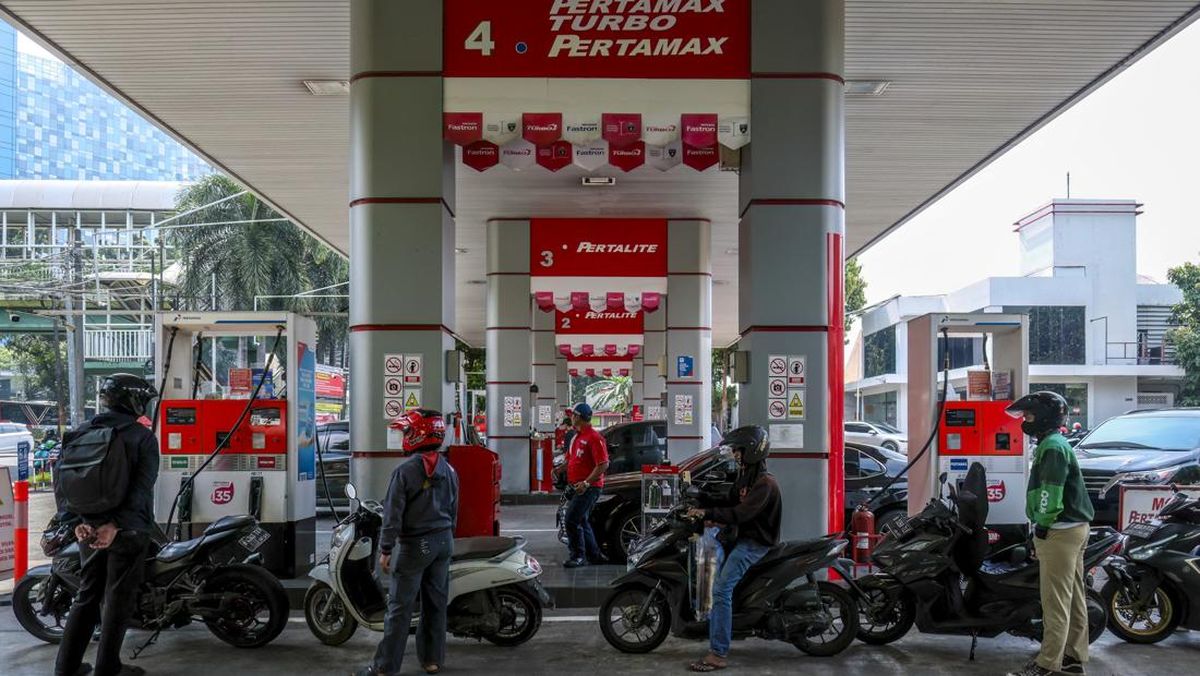
As of June 1, 2026, the landscape of fuel costs in Indonesia has shifted once again, marking a significant adjustment in the pricing strategy for state-owned energy giant Pertamina. For motorists across the archipelago, the latest Pertamina update harga BBM reflects a nuanced recalibration, with specific segments of the product line seeing price hikes while others benefit from notable reductions. These adjustments, managed by the company’s commercial arm, Pertamina Patra Niaga, are part of the routine periodic review of non-subsidized fuel prices, which are influenced by global oil market fluctuations and the prevailing exchange rate of the Indonesian Rupiah.
The most prominent change in this cycle is the upward adjustment of Pertamax Turbo, a high-octane gasoline product favored by performance-vehicle owners. Conversely, users of the Dex series—specifically Dexlite and Pertamina Dex—are seeing relief at the pump, with prices for these diesel variants dropping by Rp3,000 per liter. For consumers navigating these changes, understanding the broader context of Indonesia’s energy policy is essential, as the government continues to balance fuel security with the fiscal realities of maintaining stable energy supplies amid a volatile global economy, as documented by official economic oversight reporting.
Understanding the Market Dynamics Behind the June 2026 Adjustments
The decision to adjust fuel prices is rarely arbitrary. Pertamina Patra Niaga operates within a regulatory framework that allows for the periodic review of non-subsidized fuel prices—often referred to as General Fuel Types (JBU)—to ensure they remain aligned with the Mean of Platts Singapore (MOPS) and the Indonesian Crude Price (ICP). When global energy prices shift, these costs are eventually reflected in the domestic retail price to ensure the sustainability of the national energy distribution chain.
The current adjustment highlights a divergence in market performance between high-octane gasoline and high-quality diesel. While the increase in Pertamax Turbo may be attributed to rising production and distribution costs for high-specification fuels, the significant reduction in the price of Dex series products suggests a stabilization or decline in the wholesale cost of diesel components. For a deeper look at how these market forces impact your wallet, readers can consult the official Pertamina newsroom for the latest corporate disclosures and regulatory updates.
Impact on Consumers and Logistics
The downward adjustment of Rp3,000 for Dexlite and Pertamina Dex is particularly significant for the logistics and transportation sectors. Since these fuels are the primary choice for heavy-duty vehicles, trucks, and industrial machinery, a decrease in price can have a positive cascading effect on the broader economy by potentially lowering transportation costs for essential goods. This move is seen by market analysts as a strategic effort to keep industrial operating costs manageable during periods where the Rupiah may face pressure against the US Dollar.

However, for the average driver, the fluctuation in Pertamax Turbo underscores the volatility of the energy market. Owners of luxury or high-performance vehicles, who typically rely on high-octane fuel to maintain engine integrity, will need to adjust their monthly fuel budgets accordingly. It’s a reminder that the transition to more sustainable energy sources remains a long-term goal, while the immediate reality remains tied to the global demand for fossil fuels.
Key Takeaways: What You Need to Know
- Price Divergence: Pertamax Turbo has seen a price increase, while the Dex series (Dexlite and Pertamina Dex) has seen a reduction of Rp3,000 per liter.
- Regulatory Basis: These changes are part of the periodic adjustment of non-subsidized fuel prices, governed by the Ministry of Energy and Mineral Resources regulations regarding retail fuel pricing.
- Economic Drivers: Price adjustments are primarily dictated by global oil price trends (MOPS/ICP) and the strength of the Indonesian Rupiah.
- Logistical Relief: The reduction in diesel prices is expected to provide some relief to the commercial logistics sector, which relies heavily on the Dex product line.
Looking Ahead: The Energy Landscape
As we move further into the second half of 2026, the focus for regulators and energy providers remains on maintaining a secure and reliable supply of fuel. While the government monitors the health of the national fuel reserves, the primary strategy for the retail sector remains the flexible adjustment of prices to reflect global market conditions. For the most accurate and up-to-date information, motorists are encouraged to check the official MyPertamina platform, which provides real-time pricing data and service station locations across the country.

The next scheduled review of fuel prices is expected to occur in accordance with the standard monthly cycle. Until then, stakeholders in the energy sector will continue to watch for indicators of further volatility in the global crude market. We invite our readers to share their thoughts on these recent price adjustments in the comments section below, and we encourage you to stay tuned to our business desk for ongoing coverage of Indonesia’s economic policy and market trends.
Worth a look