As we navigate an era of nutrition science dominated by high-protein trends and intermittent fasting, a quiet shift is occurring in the way experts view the building blocks of a healthy diet. For years, fiber—the indigestible portion of plant foods—was often relegated to the background, viewed primarily as a digestive aid. However, as our understanding of the human microbiome deepens, medical professionals are increasingly identifying dietary fiber as a critical component of metabolic health and disease prevention.
Francis Holway, a respected specialist in sports nutrition and exercise physiology, has recently emphasized this evolution in nutritional priorities. His perspective mirrors a growing consensus among researchers: as we move away from the hyper-focus on macronutrient ratios, fiber is poised to become the new nutrient of interest. Understanding this shift is essential for anyone looking to optimize their long-term health, as current data from the World Health Organization indicates that most global populations still fall significantly short of the recommended daily intake of 25 grams of fiber for optimal health.
The conversation surrounding fiber is no longer just about regularity. It is about the complex relationship between our gut bacteria, systemic inflammation and chronic disease prevention. From my perspective as a physician, I have seen how the integration of high-fiber, whole-food sources—such as legumes, whole grains, and cruciferous vegetables—can fundamentally alter the inflammatory markers in a patient’s blood work. This isn’t merely a trend; it is a return to fundamental nutritional principles supported by clinical evidence.
The Science of the Microbiome and Fiber
At the heart of the “fiber revolution” is the human gut microbiome. These trillions of microorganisms thrive on the fermentable fibers found in plant-based foods. When we consume these fibers, our gut bacteria produce short-chain fatty acids (SCFAs) like butyrate, which play a pivotal role in maintaining the integrity of the intestinal lining and regulating the immune system. According to the Harvard T.H. Chan School of Public Health, high fiber intake is consistently associated with a reduced risk of cardiovascular disease, type 2 diabetes, and certain types of gastrointestinal cancers.
The challenge for many individuals lies in the modern dietary landscape, which is heavily saturated with ultra-processed foods. These products are often stripped of their natural fiber content during manufacturing. When we consume refined carbohydrates, we bypass the very mechanisms that keep our blood glucose levels stable and our satiety signals functioning. Holway’s assertion that fiber will be the “nutrient of the moment” speaks to a necessary correction: a shift back toward whole, minimally processed ingredients that provide the structural complexity our digestive systems require.
Practical Strategies for Increasing Fiber Intake
Transitioning to a higher fiber diet should be a gradual process to avoid gastrointestinal discomfort. Adding too much fiber too quickly can lead to bloating, gas, and cramping, as the gut microbiome needs time to adapt to the change in substrate. The National Institute of Diabetes and Digestive and Kidney Diseases suggests that increasing water intake alongside fiber consumption is crucial for preventing constipation and ensuring that dietary fiber moves effectively through the digestive tract.

For those looking to implement these changes, consider the following evidence-based approaches:
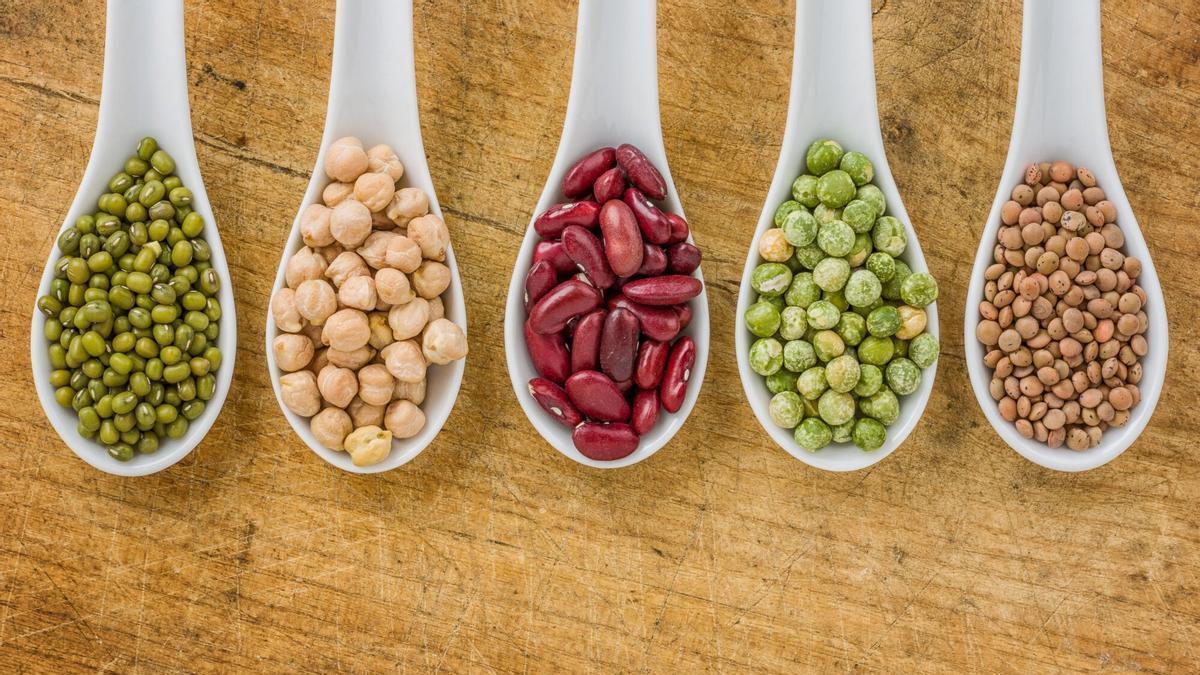
- Prioritize Whole Foods: Aim for “single-ingredient” foods like lentils, chickpeas, black beans, and oats.
- The Skin Matters: Whenever possible, consume fruits and vegetables with their skins intact, as Here’s where a significant portion of the fiber resides.
- Gradual Scaling: Increase your intake by a few grams each week rather than attempting a radical overhaul overnight.
- Hydration is Key: As you increase your fiber intake, ensure you are drinking sufficient water to facilitate digestion.
Why Fiber Matters in Metabolic Health
Beyond digestion, fiber acts as a metabolic buffer. By slowing the absorption of glucose into the bloodstream, fiber helps prevent the sharp insulin spikes that are characteristic of a diet high in processed sugars. This is particularly relevant for the management of metabolic syndrome, a cluster of conditions that increases the risk of heart disease and stroke. The Centers for Disease Control and Prevention (CDC) highlights that managing blood glucose levels through dietary choices remains the cornerstone of diabetes prevention and management.
Holway’s focus on this nutrient reflects a broader, necessary trend in clinical practice: moving away from fad dieting and toward sustainable, fiber-rich nutritional patterns. As we continue to study the long-term impacts of diet on health, it is becoming increasingly clear that the simplest interventions—like eating more plants—often yield the most profound clinical results.
Looking Ahead: The Future of Nutritional Guidance
As we head into the next quarter, health organizations are expected to continue refining their dietary guidelines to emphasize the role of the gut-brain axis and the importance of microbiota diversity. For readers, the takeaway is clear: do not wait for the next “superfood” to gain popularity. The most effective nutritional strategy is already available in the produce aisle.

We will continue to monitor updates from the European Food Safety Authority and other global health bodies regarding fiber recommendations and their impact on public health policy. If you have questions about how to adjust your own fiber intake, I encourage you to consult with a registered dietitian or your primary care physician to create a plan that fits your specific health needs.
What has been your experience with increasing your fiber intake? Have you noticed a shift in your energy levels or digestive health? Share your thoughts in the comments section below, and be sure to check back for our next deep-dive into the latest in medical innovation and public health news.
Related reading