
Blue Origin, the aerospace company founded by Jeff Bezos, is currently navigating a significant operational hurdle following a ground test incident involving its heavy-lift launch vehicle, the New Glenn rocket. The event, which occurred at the company’s facilities in Florida, has prompted an immediate investigation into the cause of the anomaly and an assessment of the site’s infrastructure.
As a technology editor, I have monitored the rapid evolution of the private space sector for nearly a decade. While ground testing is a standard and necessary phase in the development of complex orbital hardware, any unplanned energetic event during these procedures serves as a stark reminder of the immense engineering challenges inherent in space exploration. For Blue Origin, this development represents a critical juncture in the New Glenn program, which is designed to compete in the burgeoning market for heavy-lift launch services.
Assessing the Impact of the New Glenn Incident
The incident, characterized by a fireball during a ground test at the Florida space port, has naturally raised questions regarding the timeline for the rocket’s debut. According to official statements from the U.S. Space Force, there were no injuries reported following the incident at the Cape Canaveral-based facility, as confirmed via recent reporting on the development. The primary focus for the company now shifts to the meticulous process of debris removal and the forensic analysis of the hardware to determine the root cause of the failure.
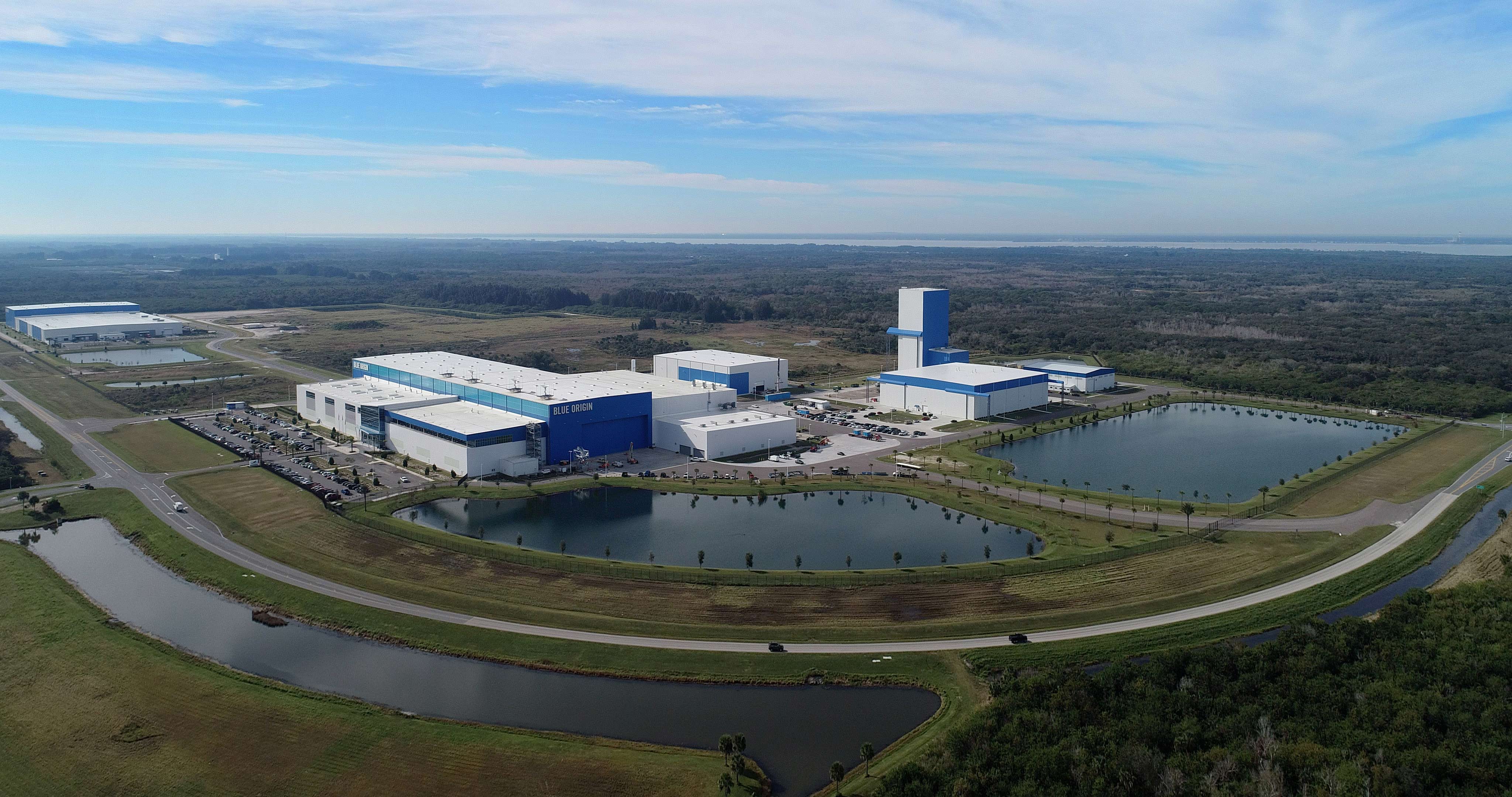
In the aerospace industry, ground tests—often referred to as “wet dress rehearsals” or static fires—are designed specifically to stress-test systems under conditions that mimic flight. These tests are the final safeguard before a vehicle is cleared for an actual mission. When these tests result in hardware loss, the data gathered becomes the most valuable asset for engineering teams to refine future iterations of the vehicle.
Engineering Challenges in Heavy-Lift Development
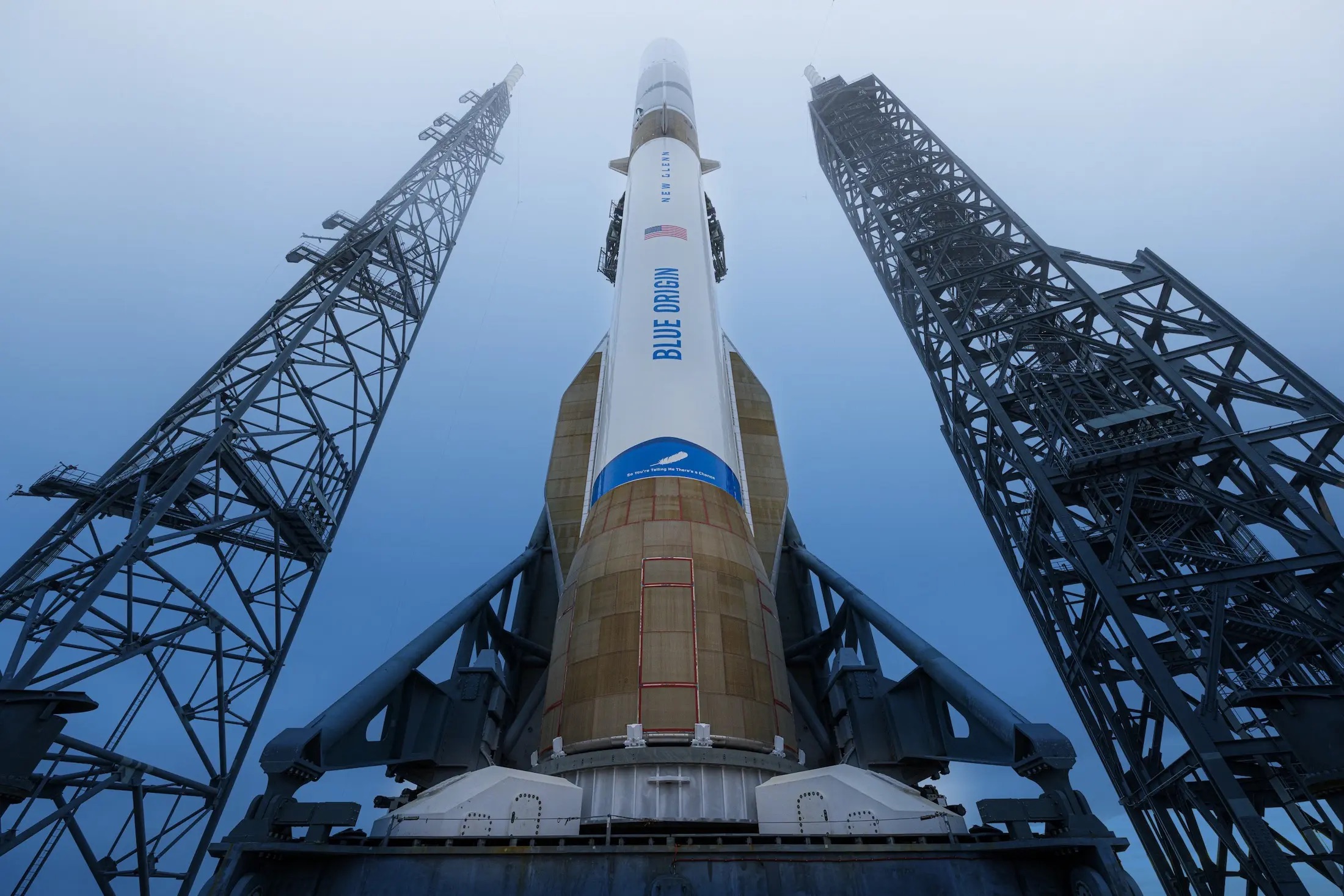
The New Glenn rocket is a massive undertaking, standing as a reusable heavy-lift vehicle intended to carry both commercial and government payloads into orbit. The technical complexity of such a system involves managing cryogenic propellants, high-pressure turbopumps and sophisticated flight control software. Any discrepancy in these integrated systems during a high-energy test can lead to the type of incident recently observed.
For those following the commercial space race, it is important to distinguish between a test-pad anomaly and a failure in flight. While both are setbacks, the former allows for the containment of the incident on the ground, protecting the broader mission architecture. The engineering team at Blue Origin is likely currently engaged in a comprehensive “anomaly review,” a standard industry practice where every sensor reading, pressure valve, and software command from the seconds leading up to the incident is analyzed to reconstruct the failure chain.
What Happens Next for Blue Origin?
Moving forward, the aerospace community will be looking for transparency regarding the investigation. Typically, after such an event, companies work in coordination with federal regulators to ensure that safety protocols are upheld before testing resumes. For Blue Origin, the path forward involves:
- Data Recovery: Analyzing telemetry data to identify the exact point of failure.
- Infrastructure Inspection: Evaluating the launch pad for damage to ensure it meets safety standards for future operations.
- Regulatory Coordination: Providing findings to the Federal Aviation Administration (FAA) or relevant oversight bodies to maintain flight safety certifications.
The timeline for the next phase of the New Glenn program remains dependent on the results of these ongoing assessments. At this stage, the company has not provided a revised schedule for subsequent testing, which is standard practice while investigations are in their infancy.
We will continue to provide updates as more verified information regarding the cause of the incident and the timeline for recovery becomes available. Please share your thoughts on the future of heavy-lift launch vehicles and the challenges of private space development in the comments below.
Related reading