
The political landscape and the entertainment industry have increasingly intersected in recent years, creating complex challenges for event organizers and campaign planners alike. Recent reports surrounding the “Freedom 250” event have brought these tensions into sharp focus, as organizers faced a series of artist cancellations that ultimately forced a pivot in the event’s format. Donald Trump, the former U.S. President, has indicated he may transition the gathering into a campaign-style rally following the withdrawal of several high-profile musical acts.
For those following the intersection of American politics and public performance, the situation underscores the difficulty of securing talent for events that carry a strong partisan identity. While political rallies are a staple of the American electoral process, the “Freedom 250” event—originally billed as a musical showcase—appears to have struggled to maintain its initial lineup. The shift toward a rally-style format reflects a strategic pivot often employed by political campaigns when traditional event logistics face unexpected hurdles.
As the conversation surrounding these developments continues to evolve, it remains essential to distinguish between confirmed logistical shifts and the broader political commentary often surrounding such events. The following analysis examines the current status of the event and the broader implications for political engagement in the lead-up to upcoming electoral cycles.
The Shift from Concert to Campaign Rally
The transition from a musical event to a political rally is a maneuver that highlights the adaptability of modern political campaigns. In instances where planned entertainment falls through, pivoting to a rally allows a candidate to bypass the need for external performers and focus exclusively on their core messaging. This strategy ensures that the event proceeds as scheduled, maintaining the momentum of the campaign while avoiding the negative optics of a cancelled appearance.
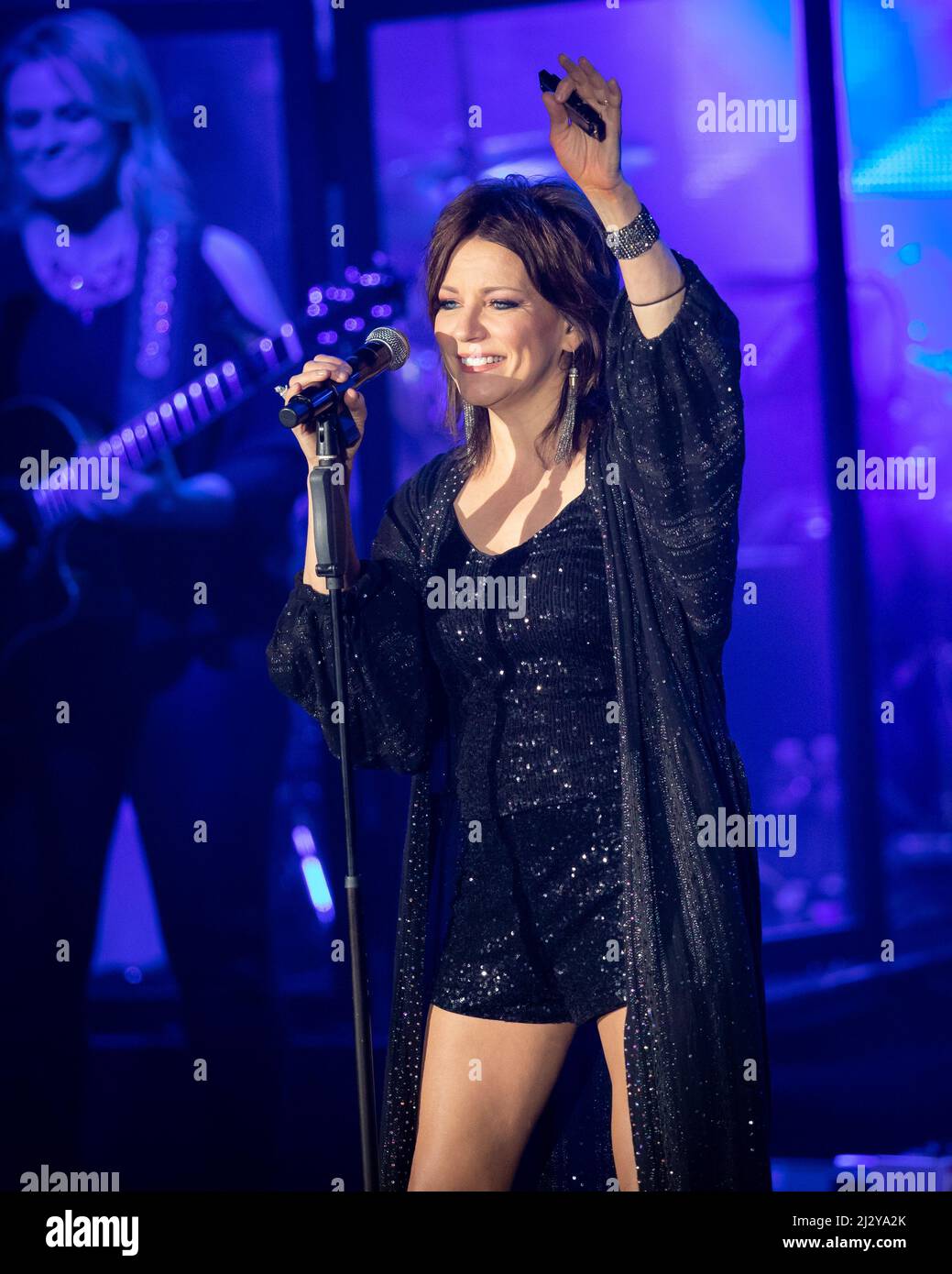
The logistical challenges faced by the Freedom 250 organizers are not unique in the current climate. High-profile performers often face intense public and professional pressure when aligning with polarizing political figures or events. When artists such as country singer Martina McBride withdraw from a scheduled performance, it often triggers a cascade of concerns regarding the event’s viability and its ability to attract a broader audience. According to reports from the Associated Press, the challenges in securing and maintaining a consistent lineup have become a recurring narrative for events associated with high-stakes political figures.
Why Artist Withdrawals Matter in Political Contexts
When musicians decide to pull out of politically charged events, the impact extends beyond the stage. It serves as a signal of the cultural divide that characterizes much of the American discourse today. For many artists, the decision to withdraw is a calculated move to preserve their brand and maintain their relationship with a diverse fan base. This is particularly true in the country music genre, where the political leanings of the audience are often as varied as the artists themselves.
The “Freedom 250” event, which was positioned to celebrate specific ideological themes, found itself at the epicenter of this dynamic. By moving to a rally format, the organizers essentially “de-risked” the event. A rally does not require the same level of artistic coordination, nor does it carry the risk of a performer making an unscheduled statement or failing to show up. It transforms the event into a controlled environment where the primary focus is the candidate’s rhetoric and the direct engagement with their supporters.
This development has sparked significant debate regarding the role of entertainers in political spaces. Some argue that artists have a responsibility to use their platform for political advocacy, while others maintain that the arts should remain distinct from the pressures of partisan campaigning. As noted by the Reuters news agency, the increasing politicization of public spaces has made it more difficult for event planners to secure neutral or politically agnostic talent for large-scale gatherings.
Understanding the Impact on Future Campaign Events
Looking ahead, the Freedom 250 pivot may serve as a blueprint for how campaigns handle talent instability in the future. Rather than attempting to replace cancelled acts, campaigns may increasingly opt for “pure” political events that rely on surrogates, local political leaders, and the candidate themselves. This approach reduces costs, simplifies security logistics, and maintains total control over the event’s narrative.

For voters and attendees, this shift means that future “Freedom” or “Liberty” themed events may look significantly different than they did even a few years ago. The emphasis is moving away from the “festival” atmosphere and toward a more focused, intense, and ideologically driven experience. For those interested in the official details regarding upcoming campaign stops, the most reliable information can typically be found on the Federal Election Commission website or the official campaign portals of the respective candidates, which provide the most accurate schedules and event guidelines.
Key Takeaways
- Strategic Pivot: The move from a concert to a rally format is a common logistical recovery tactic for political campaigns.
- Artist Autonomy: High-profile musicians frequently evaluate the political implications of their bookings, leading to occasional withdrawals.
- Control and Messaging: Rally formats allow campaigns to maintain total control over the event’s tone and message, reducing reliance on external talent.
- Political Polarization: The difficulty in securing talent for political events reflects broader trends in American social and political discourse.
As the political calendar progresses, One can expect more clarity on the specific scheduling and format of upcoming events. Those seeking to track the developments of such rallies are encouraged to monitor official campaign announcements and verified news sources for updates. We invite our readers to share their thoughts on the evolving relationship between the entertainment industry and political campaigns in the comments section below.
Jonathan Reed serves as the News Editor for World Today Journal. With over 16 years of experience in investigative reporting, he provides analysis on the intersection of global politics and cultural trends.