First Nations leaders in Northern Ontario are demanding a public inquiry and the resignation of leadership at Ontario’s Ministry of Natural Resources, accusing the provincial government of failing to provide timely evacuation support. Community leaders report that residents in several First Nations were forced to self-evacuate without government notice or assistance as wildfires destroyed homes and infrastructure.
Leaders Allege Government Failure and Lack of Communication
At a news conference in Thunder Bay on Tuesday, July 21, 2026, Indigenous leaders from across Northern Ontario criticized the provincial government’s handling of what Prime Minister Mark Carney described as one of the most intense wildfire seasons in Canadian history.
Leaders from the Gull Bay First Nation, Whitewater Lake First Nation, Fort William First Nation, Anishinabek Nation, Nokiiwin Tribal Council, and Nishnawbe Aski Nation gathered to address the province’s response.
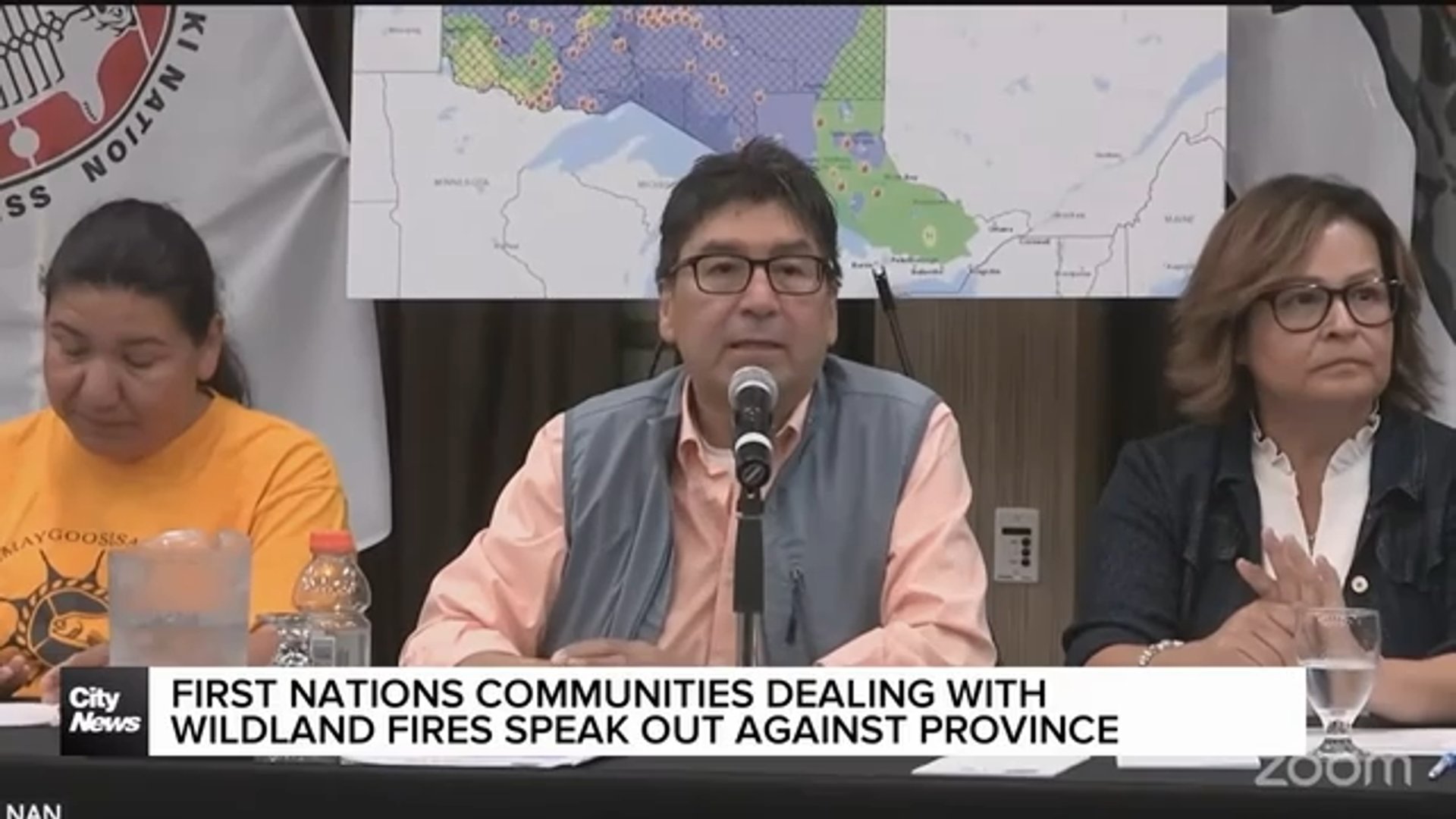
Chief Wilfred King of the Gull Bay First Nation called for a thorough, independent investigation into the systemic issues affecting the province’s emergency coordination. How could this happen? More importantly, how do we make sure this never happens again? That's what they must answer,
King stated. He further emphasized that the lack of communication and evacuation support should horrify all Canadians.
Chief King, whose community remains under an evacuation order, accused Premier Doug Ford of lying and stated that he had not been contacted by the Premier nor any minister since his community was engulfed by fire the previous week. Nobody has reached out to us, and they’re the ones that are responsible,
he said.
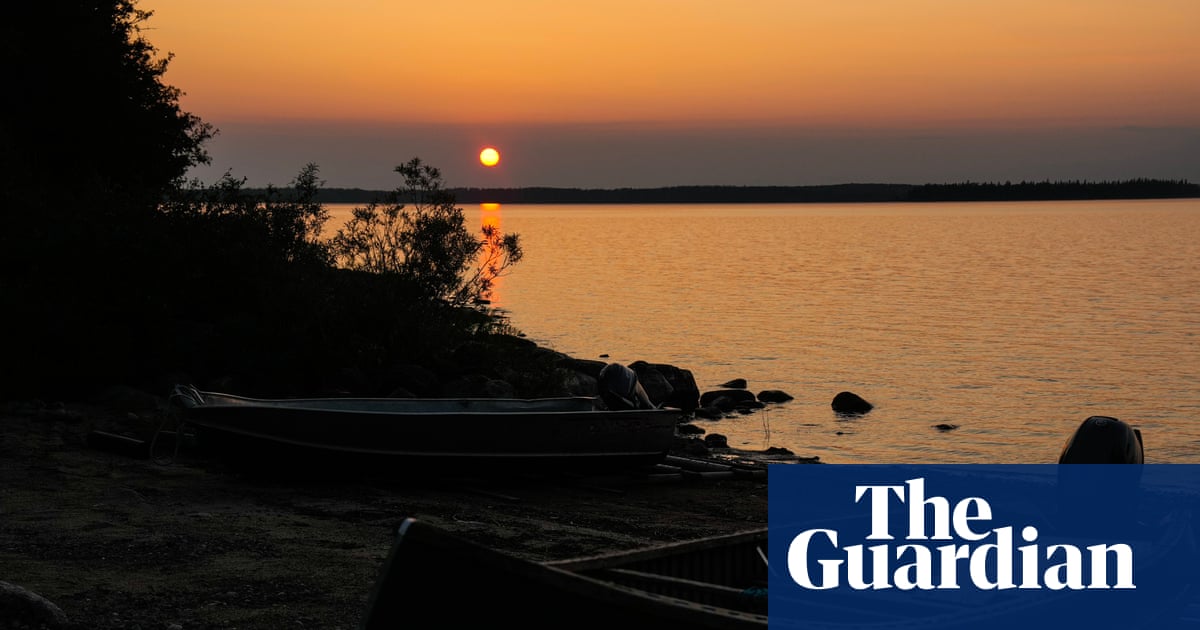
The frustration centers on the perceived lack of support for remote communities that leaders say were left to fend for themselves. Namaygoosisagagun First Nation, located north of Thunder Bay, was engulfed by fire on June 15. Chief Helen Paavola stated that her community had made inquiries to the federal government in the days leading up to the fire but was assured there was no imminent threat. Residents were forced to board boats packed with their possessions and race across a nearby lake to escape. Linda Debassige, grand council chief of the Anishinabek Nation, which represents 39 Ontario First Nations, said: If this community waited for a mandatory evacuation process, we’d be doing a recovery mission for the bodies of children, of elders, of men and women.
For more on this story, see Portugal Stunner! 41-Year-Old Striker Strikes Early Goal in Historic Win – First-Time Finish vs. [Opponent].
Premier Ford Defends Response Amid Calls for Reform
Ontario Premier Doug Ford addressed the situation during an update on Monday, stating that close to 2,000 people had been evacuated to cities including Toronto and Niagara Falls. On Tuesday, Ford maintained that his administration had been in constant communication
with First Nations leaders, helping them evacuate and find shelter in hotels. When asked by reporters if he agreed with criticisms that the province should have been better prepared, Ford replied: I totally disagree.
He asserted that his government did everything we possibly can
to respond to the wildfires.
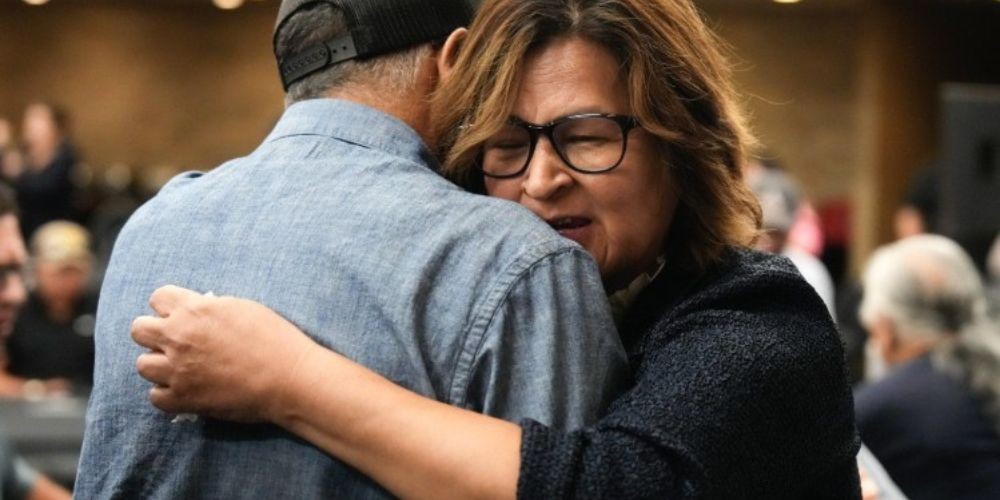
The Premier’s accounts conflict with those of local leadership. Chief Pauline Drake of the Whitewater First Nation said her community was not told about the potential severity of the wildfires and the risk to their homes in the days before the fires. It’s just last minute. We’re the last people to be told and notified,
she said. The government has stated that some fires spread so fast they were only spotted once they were dangerously close to First Nations communities.
Environmental Context and Fiscal Concerns
There are nearly 1,000 wildfires currently burning across Canada, with about 200 in Ontario. Many of the wildfires across Northwestern Ontario are believed to have been triggered by a lightning storm under extreme fire weather conditions. While it is not possible to predict exactly where a wildfire will strike, a measure of risk called the Fire Weather Index had been rising across the region for days, reaching its highest possible level on July 13 and 14 when the fires exploded. First Nations communities are considered acutely vulnerable, with 80% of Indigenous communities located in areas more susceptible to fires.

The dispute has also drawn attention to provincial spending priorities. According to reports, while Ontario spent $271m on emergency firefighting in 2025-26, it plans to spend only $150m in 2026-27. As of the latest updates, at least 12 First Nations have been ordered to evacuate, and the Ontario government has not responded to requests for comment regarding the specific allegations of poor coordination.
Worth a look