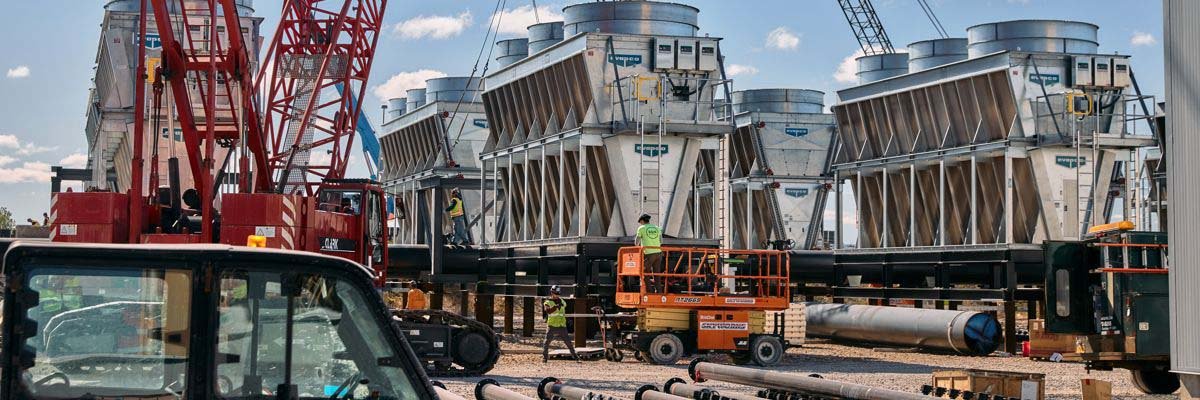
In the heart of New York’s industrial landscape, a transformation is underway that signals a shift in how we power the next generation of artificial intelligence. TeraWulf’s Lake Mariner facility, situated in Somerset, is rapidly evolving into a massive AI-ready data center, repurposing infrastructure once tied to the region’s coal-heavy past. As the demand for high-performance computing clusters continues to surge, the industry is increasingly looking toward sites that offer both substantial power capacity and direct grid access.
The facility, which has been expanding its footprint, represents a broader trend in the tech sector: the hunt for “megawatt-scale” sites capable of supporting the immense energy requirements of large language models and generative AI training. According to company filings and press releases, the site has been scaling its capacity significantly, moving beyond its initial focus on cryptocurrency mining to accommodate high-density computing infrastructure.
From Coal Power to Silicon Infrastructure
The Lake Mariner site is notable for its strategic location on the grounds of a former coal-fired power plant. This transition—often referred to as “brownfield redevelopment”—is becoming a preferred strategy for energy-intensive industries. By utilizing existing electrical grid interconnections, companies can bypass the years-long wait times often associated with new transmission line construction. As reported by the U.S. Energy Information Administration, the integration of data centers into existing power generation sites is a critical factor in maintaining grid stability while meeting the rapid growth in electricity demand.
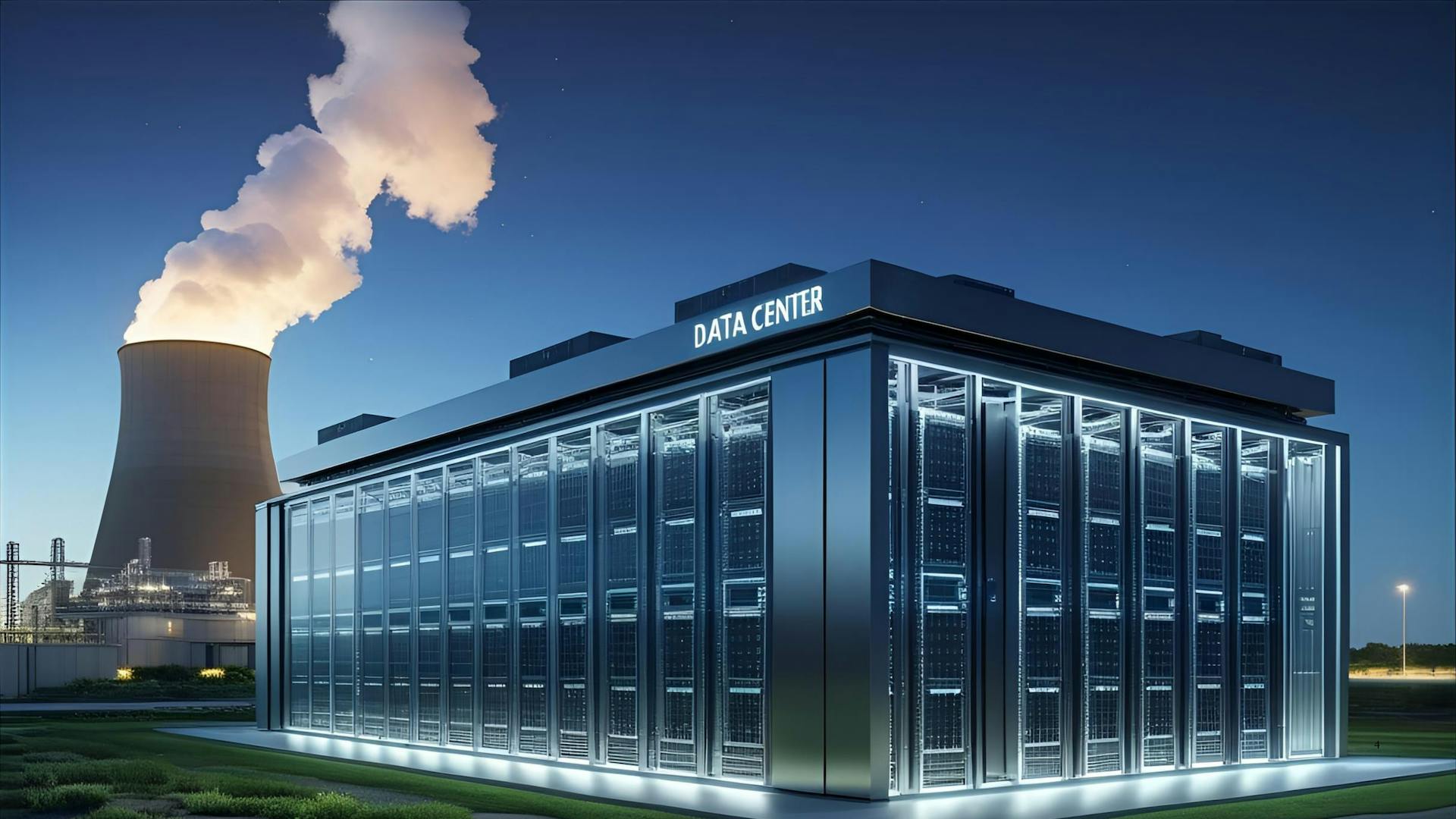

The sheer scale of the operation is hard to overstate. To support the cooling and compute requirements of modern AI servers, the facility leverages significant power infrastructure, aiming for a capacity that reaches into the hundreds of megawatts. This shift is not merely about real estate; it is about the physics of AI. Training complex models requires thousands of GPUs working in tandem, which necessitates a power density far exceeding that of traditional enterprise data centers. The Lake Mariner site’s ability to provide this density, backed by a mix of energy sources, positions it as a key player in the domestic AI infrastructure market.
The Technical Challenges of AI-Ready Data Centers
Building an AI-ready data center is a complex engineering feat. My background in software engineering reminds me that the software is only as good as the hardware it runs on, and the hardware is only as good as the power and cooling systems that support it. At facilities of this magnitude, the primary challenges are thermal management and power distribution. High-performance AI hardware generates significant heat, often requiring advanced liquid cooling solutions rather than traditional air-based systems.
the reliance on the grid requires sophisticated energy management. TeraWulf has emphasized its focus on “zero-carbon” or low-carbon energy integration where possible. According to the New York State Energy Research and Development Authority (NYSERDA), the state has aggressive climate goals, meaning any large-scale industrial project must navigate a stringent regulatory environment regarding energy usage and emissions. The development of such sites must align with these mandates to remain viable in the long term.
Infrastructure Key Takeaways
- Power Density: Moving from standard server racks to high-density AI clusters requires massive, uninterrupted power feeds.
- Grid Interconnection: Repurposing legacy industrial sites provides an immediate advantage in grid access, essential for rapid deployment.
- Sustainability Mandates: Modern data centers are increasingly required to report on their carbon footprint and energy sourcing.
- Thermal Management: Transitioning to liquid cooling is becoming a standard requirement for next-generation AI hardware.
What Happens Next for Industrial AI Hubs
As we look toward the next fiscal quarter, the focus for the industry will remain on capacity deployment and grid efficiency. For TeraWulf and similar operators, the immediate checkpoint is the continued commissioning of new data center buildings and the successful integration of additional high-performance computing loads. Investors and industry analysts are closely monitoring these developments, as they serve as a bellwether for the scalability of domestic AI infrastructure.
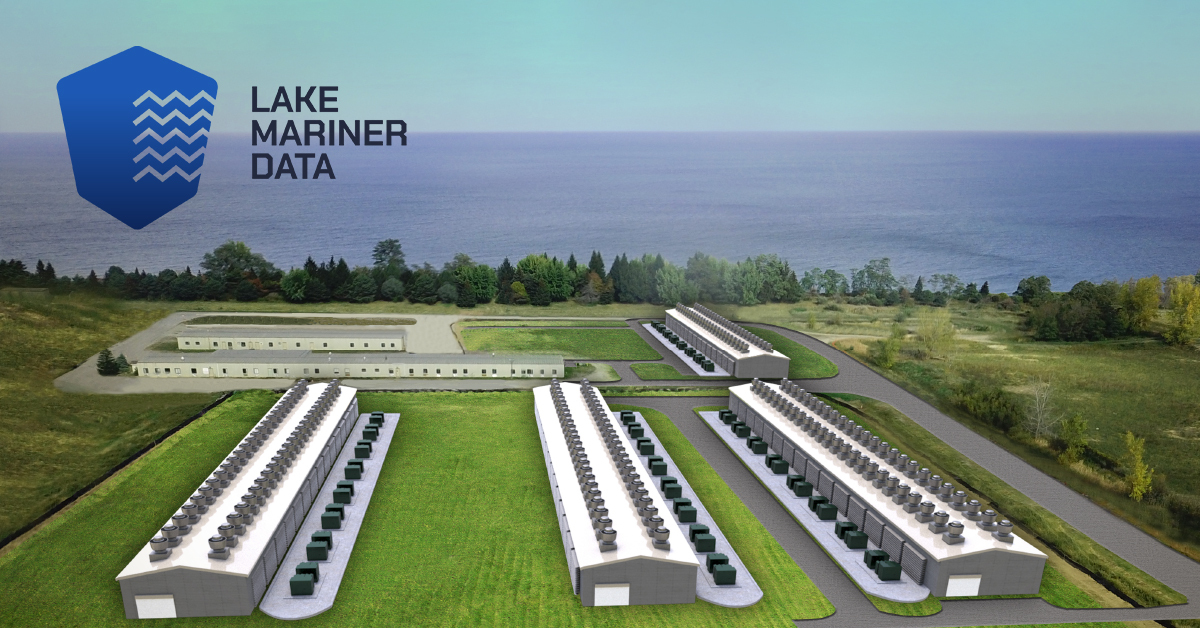
The next major update is expected to come through quarterly earnings reports and regulatory filings with the Securities and Exchange Commission (SEC), where the company will detail its progress on capital expenditure and operational milestones. As the tech industry continues to race toward AGI (Artificial General Intelligence), the “factory” floor—the data center—will remain the most critical piece of the puzzle. The transformation of sites like Lake Mariner is just the beginning of a larger, national effort to build the physical backbone of the AI era.
What are your thoughts on the repurposing of industrial sites for AI development? Join the conversation in the comments section below or share this article with your professional network.
Keep reading