
The global discourse on fiscal fairness often converges on a single, contentious point: how to tax the returns on capital without stifling the engine of economic growth. In South Korea, this debate has reached a fever pitch as the nation grapples with the potential implementation of the Financial Investment Income Tax (FIIT). As a financial journalist who has spent nearly two decades analyzing market structures, I find the South Korean case to be a quintessential study in the tension between tax equity and market competitiveness.
At the heart of the discussion is the principle that capital gains should be taxed in a manner consistent with other forms of income—a concept often summarized by the phrase “taxation where there is profit.” Proponents argue that the current system, which relies heavily on transaction taxes, creates an uneven playing field. However, as the Korean stock market—often referred to by the colloquial “8000-pi” target—seeks to mature, the debate over the Financial Investment Income Tax has become a focal point for investors, policymakers, and the broader public alike.
The Structural Shift: Why Financial Investment Income Tax Matters
To understand the urgency behind the push for the Financial Investment Income Tax, one must look at the historical reliance on securities transaction taxes. For years, the South Korean market has operated under a system that prioritizes taxing the act of trading rather than the underlying profit. This approach is increasingly viewed as anachronistic by international standards, where capital gains taxes are the norm in most developed economies organized under the Organisation for Economic Co-operation and Development (OECD) framework.

The legislative intent behind the proposed FIIT is to modernize the tax base. By shifting the burden toward realized gains above a certain threshold, the government aims to create a more progressive tax structure. Yet, the road to implementation has been fraught with delays. Originally slated for introduction, the tax has faced multiple postponements, reflecting the deep-seated anxiety among retail investors—a demographic that has become an increasingly powerful force in shaping domestic market sentiment.
The Conflict Between Tax Equity and Market Sentiment
The argument for the FIIT is grounded in the concept of “horizontal equity”—the idea that individuals with similar economic capacities should pay similar amounts in taxes. Currently, a high-net-worth investor earning significant dividends might face a different tax profile than a retail trader relying on capital gains. Critics of the current system, including various civic groups, argue that the absence of a comprehensive capital gains tax effectively functions as an implicit subsidy for the wealthy.
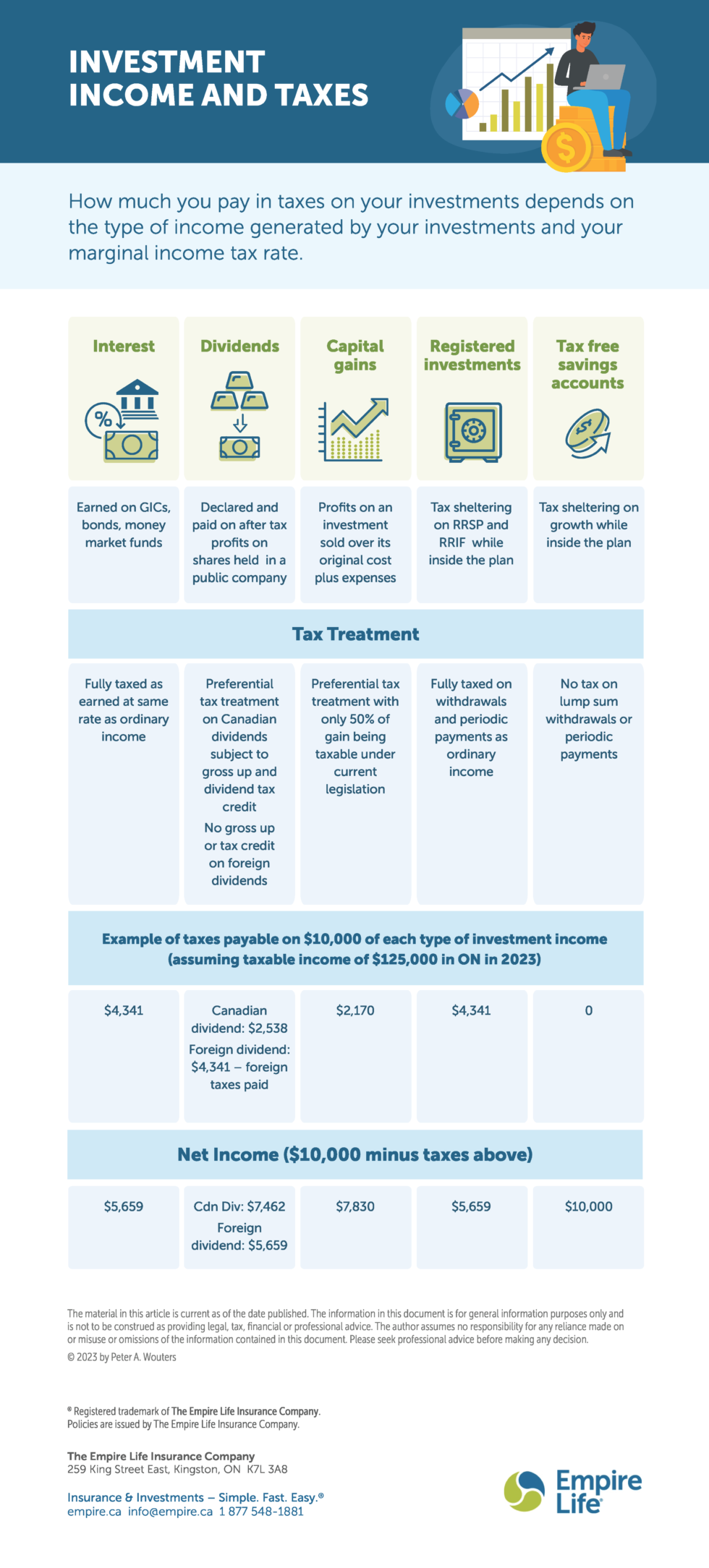
However, the opposition is equally vocal. Retail investors, often referred to in local media as “the glass wallet” class—a metaphor for the transparent, easily taxed nature of their income—fear that the introduction of the FIIT will lead to capital flight. The concern is that if the tax burden on domestic stocks becomes too heavy, capital will inevitably rotate toward more favorable international markets, such as the U.S. Equities market, thereby undermining the stability of the local exchange. This concern is corroborated by data from the Korea Exchange (KRX), which has noted shifts in retail investor behavior in response to changes in tax policy and market volatility.
Broader Implications: Dividends and Comprehensive Taxation
The debate extends beyond simple capital gains. It touches upon the broader issue of dividend taxation and the threshold for comprehensive financial income taxation. Currently, individuals with significant financial income are subject to the global income tax system once their earnings exceed a certain threshold, typically set at 20 million KRW per year. There is a growing movement, represented by various public petitions, advocating for an upward adjustment of this threshold to account for inflation and the rising cost of living.
The interplay between dividend income and capital gains is critical. If the government pursues a policy of separate taxation for dividends, as some have proposed to encourage long-term holding, it must reconcile this with the overarching goal of a unified income tax system. As noted in recent fiscal policy reviews, the challenge lies in designing a system that incentivizes reinvestment without creating loopholes that are perceived as “tax cuts for the rich.”
Key Considerations for the Future
As South Korea looks toward the next legislative cycle, the path forward for the Financial Investment Income Tax remains uncertain. Based on current policy discussions, the following factors will likely determine the outcome:
- Threshold Calibration: Determining the “deduction limit” for capital gains is the most sensitive lever. Setting this too low risks alienating the retail investor base, while setting it too high renders the tax ineffective as a revenue-generating tool.
- Market Competitiveness: Policymakers must weigh the potential revenue gains against the risk of capital outflow. The Financial Services Commission (FSC) continues to monitor how tax changes influence market liquidity and foreign investor participation.
- Public Consensus: The “glass wallet” metaphor highlights a deep-seated distrust in the fairness of the current tax system. Any successful reform must be accompanied by transparent communication regarding how tax revenue will be utilized to benefit the public.
Looking Ahead: The Next Checkpoint
The discourse surrounding the Financial Investment Income Tax is far from settled. The next critical checkpoint will be the upcoming parliamentary session, where lawmakers are expected to review the fiscal roadmap for the next fiscal year. Investors and stakeholders should monitor the National Assembly of the Republic of Korea for official updates on committee hearings and potential legislative amendments.
Whether the FIIT is implemented in its current form or significantly overhauled, the debate itself serves as a vital reminder of the need for an economic policy that balances the state’s requirement for revenue with the individual’s right to equitable treatment. As we continue to cover these developments, I encourage our readers to participate in the conversation—what does fiscal fairness look like to you in an era of globalized capital?
Dr. Olivia Bennett is the Chief Editor of the Business section at World Today Journal. With over 18 years of experience in financial journalism, she provides expert analysis on global economic policy and market trends.
Keep reading