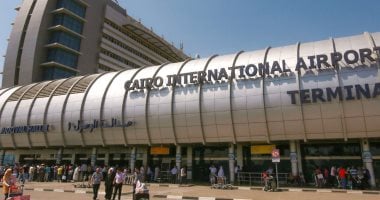
Cairo International Airport has begun receiving the first waves of pilgrims returning from the Kingdom of Saudi Arabia, marking the official conclusion of the Hajj season for thousands of Egyptian travelers. The arrival of these flights, operated by EgyptAir and other national carriers, initiates a complex logistical operation coordinated by the Egyptian Ministry of Civil Aviation to ensure the safe and efficient return of citizens following the conclusion of their religious rites in Mecca, and Medina.
As the “Hajj return flights” gain momentum, the Egyptian national carrier has implemented an extensive air bridge to manage the volume of arrivals, which is expected to continue steadily over the coming days. For many families, this period represents the culmination of months of preparation and the successful completion of one of Islam’s most significant spiritual journeys. The management at Cairo International Airport has increased staff presence across all terminals to expedite customs procedures and health screenings, ensuring that the transition from international travel to domestic arrival remains as seamless as possible for the returning pilgrims.
Logistics of the Hajj Return Operation
The return process is not merely a matter of scheduled flights; it is a highly orchestrated effort involving multiple government entities. According to official statements from the Egyptian Ministry of Civil Aviation, the coordination between airport authorities and the Hajj mission ensures that baggage handling and ground transportation are synchronized with flight arrivals. This year, officials have emphasized the importance of maintaining strict adherence to health protocols as thousands of travelers move through international transit hubs simultaneously.
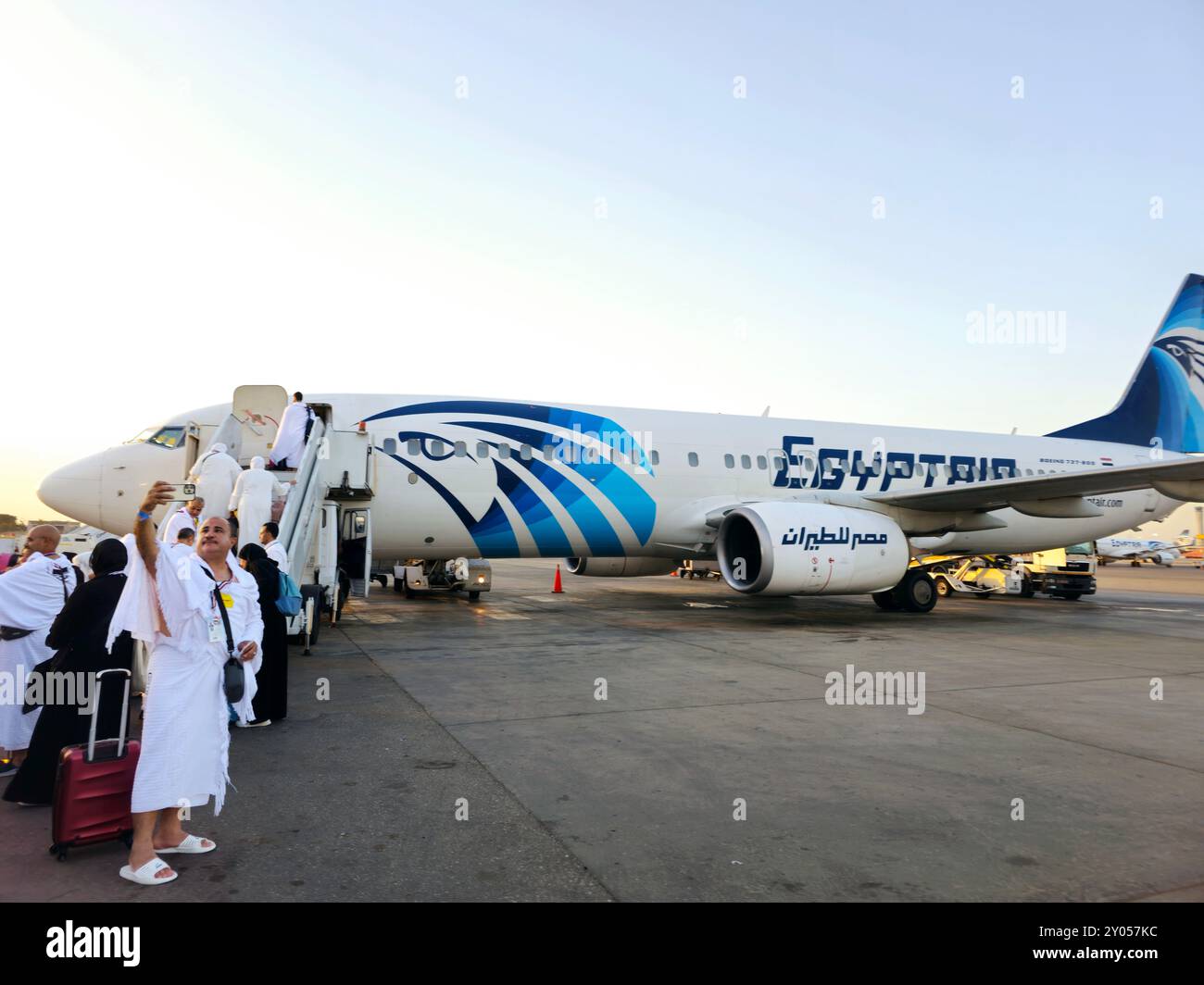
The Egyptian Hajj mission, which oversees the various categories of pilgrims—including those participating in the state-sponsored lottery (Hajj al-Qura) and those traveling through private associations—has established a staggered schedule for departures. This approach is designed to prevent congestion at both the Saudi departure airports and Cairo’s arrival halls. For those still in the Kingdom, the transition toward the city of Medina remains a key phase before their final departure, as many pilgrims traditionally visit the Prophet’s Mosque before concluding their journey.
Ensuring a Seamless Transition for Pilgrims
The success of the Hajj season is often measured by the efficiency of the “return bridge.” Ground teams at the airport are working around the clock to assist elderly pilgrims and those with mobility needs, ensuring they receive priority during the disembarkation process. The Ministry of Foreign Affairs and the Ministry of Social Solidarity have also been active in monitoring the welfare of pilgrims, providing support where necessary to ensure that the return journey is handled with the appropriate level of care and dignity.
authorities have reminded families and those awaiting arrivals to follow official airport communications regarding flight status updates. With global travel demand remaining high, the airport administration is utilizing digital signage and real-time updates to manage the influx of well-wishers and transport services at the arrival terminals. This transparency is crucial in maintaining order during what is arguably one of the busiest periods for Cairo International Airport.
What Happens Next: Key Takeaways for Returning Travelers
As the final flights are scheduled in the coming weeks, travelers and their families should keep the following information in mind:

- Flight Tracking: Pilgrims and their families are encouraged to monitor the official Cairo International Airport website for the most accurate, real-time arrival information.
- Customs and Health: Travelers should ensure all necessary travel documentation and health declarations are prepared in advance to facilitate a quicker exit from the terminal.
- Logistical Updates: The Ministry of Civil Aviation will continue to provide periodic updates on the progress of the air bridge, which can be followed through their official media channels.
- Transportation: Due to the high volume of arrivals, public and private transportation services near the airport may experience temporary congestion; planning for pickup in advance is highly recommended.
The return of the pilgrims is a significant national event, reflecting the deep cultural and religious importance of the Hajj. As the operation continues, the focus remains on safety, efficiency, and the successful reintegration of thousands of citizens back into their communities. We invite our readers to share their experiences or ask questions regarding the travel process in the comments section below, and we will continue to provide updates as the final groups of pilgrims make their way home.
Keep reading