In the high-stakes theater of modern political communication, the line between emotional resonance and strategic overreach is often thinner than a campaign poster. Recently, the Spanish Socialist Workers’ Party (PSOE) found itself at the center of a digital firestorm following the release of a campaign video that utilized a nostalgic track by singer-songwriter Ismael Serrano and a narrative voiceover delivered by a child. The move, intended to evoke sentimentality and highlight the party’s platform, instead triggered a swift and polarized reaction across social media platforms, highlighting the complexities of political messaging in an era of hyper-scrutiny.
For those of us who have covered the intersection of celebrity culture and political branding for over a decade, this reaction is not entirely surprising. When political entities attempt to harness the aesthetic of independent artistry—in this case, the folk-pop sensibilities of Ismael Serrano—they risk alienating audiences who view the appropriation of such cultural symbols as a cynical attempt to manufacture authenticity. The “Ahora más que nunca” (Now more than ever) campaign, which the PSOE has utilized to mobilize its base, has become a focal point for critics who argue that the use of a child’s voice to frame partisan messaging crosses an ethical boundary in public discourse.
The Evolution of Political Storytelling
Political campaigns have long relied on emotive storytelling to bridge the gap between abstract policy and the daily lives of citizens. In the Spanish political landscape, where the Spanish Parliament has seen significant shifts in coalition dynamics, communication strategies have become increasingly experimental. The use of music to set an emotional tone is a well-worn tactic, but pairing it with the innocence of a child’s perspective is a calculated risk that often invites charges of manipulation.


When the PSOE released this content, the intent was likely to appeal to voters’ aspirations for the future. However, the digital response was immediate. On platforms like X (formerly Twitter), users quickly dissected the production, with many commentators labeling the tone as patronizing or “cringe-worthy.” This phenomenon, often referred to as “second-hand embarrassment” in social media circles, occurs when the perceived gap between the intended emotional impact and the actual delivery is too vast for the audience to bridge.
The controversy underscores a broader challenge for political parties globally: how to communicate in a fragmented media environment where every frame of a video is subject to frame-by-frame analysis by opposing factions. As reported by major media outlets, the digital discourse surrounding the current political climate in Spain remains characterized by intense polarization, where even creative campaign choices can serve as catalysts for renewed debate about the state of public trust.
Cultural Appropriation in Political Messaging
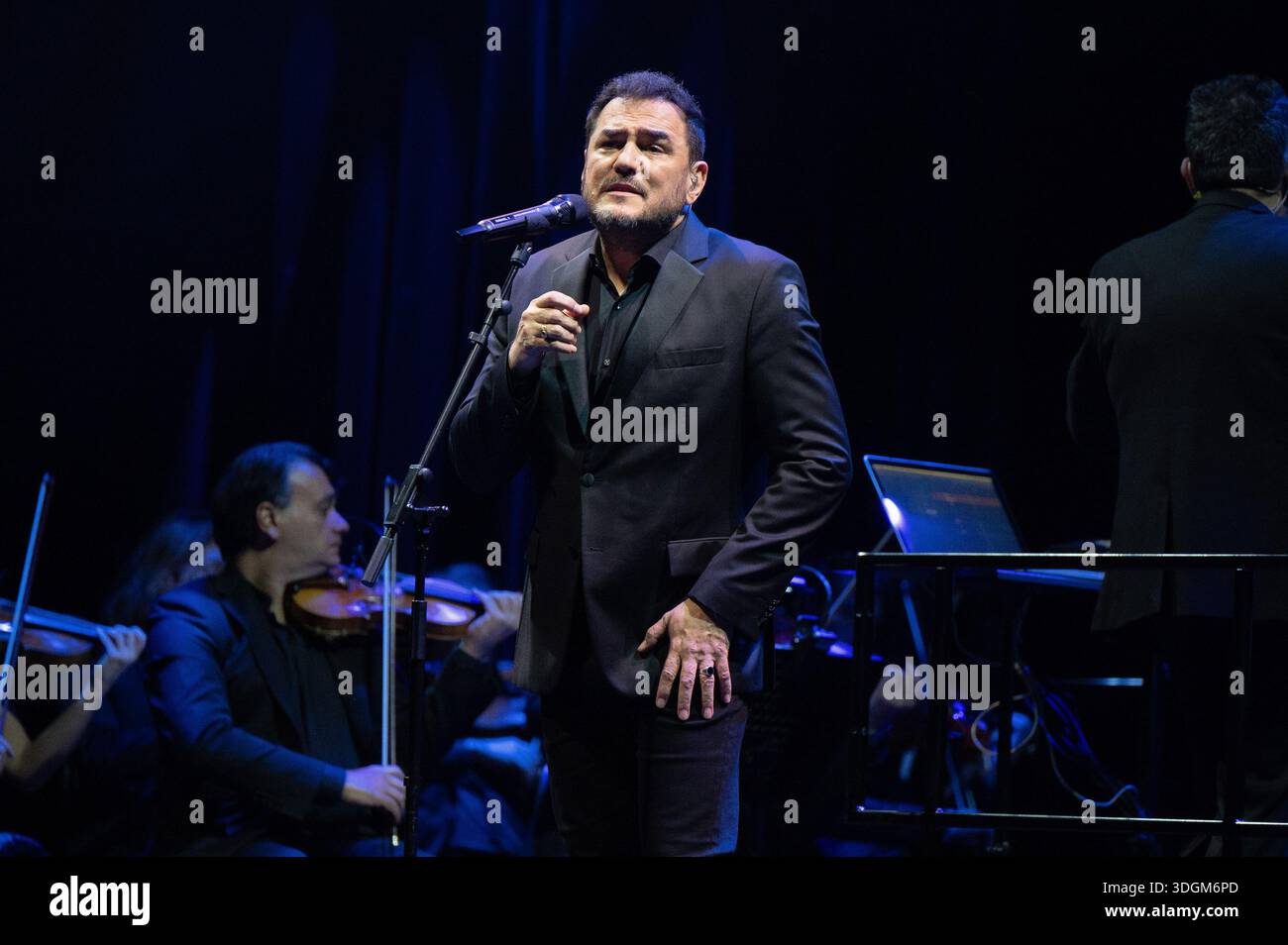
Ismael Serrano has long been a voice associated with socially conscious, reflective music in the Spanish-speaking world. By incorporating his work into a partisan campaign, the PSOE effectively inserted an artist into a political controversy he may not have invited. This leads to a critical question: should artists be the face—or the sound—of political branding?
From an entertainment journalism perspective, the blurring of these lines is rarely seamless. When a brand or a political party adopts the “vibe” of an artist to gain traction, they are effectively borrowing the artist’s credibility. If that credibility is then challenged by the public’s disapproval of the campaign’s content, the fallout can be damaging for both the party and the artist’s public perception. The backlash here serves as a case study in the risks of “emotional branding” in politics.
Key Factors Influencing Digital Backlash
- Authenticity Gap: Audiences are increasingly adept at identifying when sentiment is being engineered rather than organic.
- The “Child Voice” Factor: Using minors to narrate political scripts is a high-risk strategy that often triggers protective instincts and accusations of emotional exploitation.
- Platform Dynamics: The rapid-fire nature of social media allows for the instantaneous creation of memes and parodies, which can strip a serious political message of its intended gravitas within minutes.
- Cultural Symbolism: Leveraging well-known artistic works can inadvertently alienate fans of that art who do not share the political affiliation of the campaign.
The Broader Context of Spanish Political Communication
The current climate in Spain is shaped by ongoing debates regarding the legislative agenda of the current government. As parties prepare for future electoral cycles, the pressure to produce “viral” content has never been higher. However, the reliance on high-production-value emotional narratives can sometimes backfire if the messaging fails to connect with the material concerns of the electorate, such as inflation, housing, or employment statistics.
Critics of the PSOE campaign have pointed out that the focus on emotive, music-driven messaging ignores the substantive policy debates that many citizens feel are being sidelined. In a landscape where political trust is at a premium, the perception of “propaganda” can be a powerful driver of voter apathy or, conversely, galvanized opposition. The reaction to the video is not just about the specific song or the voiceover; it is a symptom of a deeper malaise regarding how political messages are constructed and delivered to a skeptical public.
What Happens Next?
As the political calendar moves forward, People can expect to see further scrutiny of how parties in Spain and across Europe utilize digital media to reach voters. The next major checkpoint for the PSOE will involve ongoing parliamentary sessions and the lead-up to regional and national electoral milestones, where the effectiveness of these communication strategies will be put to the test at the ballot box.
For now, the social media storm surrounding this video serves as a reminder that in the digital age, the audience is no longer a passive recipient of political messaging—they are active participants, critics and editors. The PSOE, like any other major political organization, will have to balance the need for reach with the risk of ridicule in an environment that is increasingly unforgiving of perceived inauthenticity.
We will continue to monitor the evolving landscape of political communication and its impact on the entertainment industry. What are your thoughts on the intersection of music and political messaging? Join the conversation in the comments section below—your perspective matters in this ongoing dialogue about the future of public discourse.