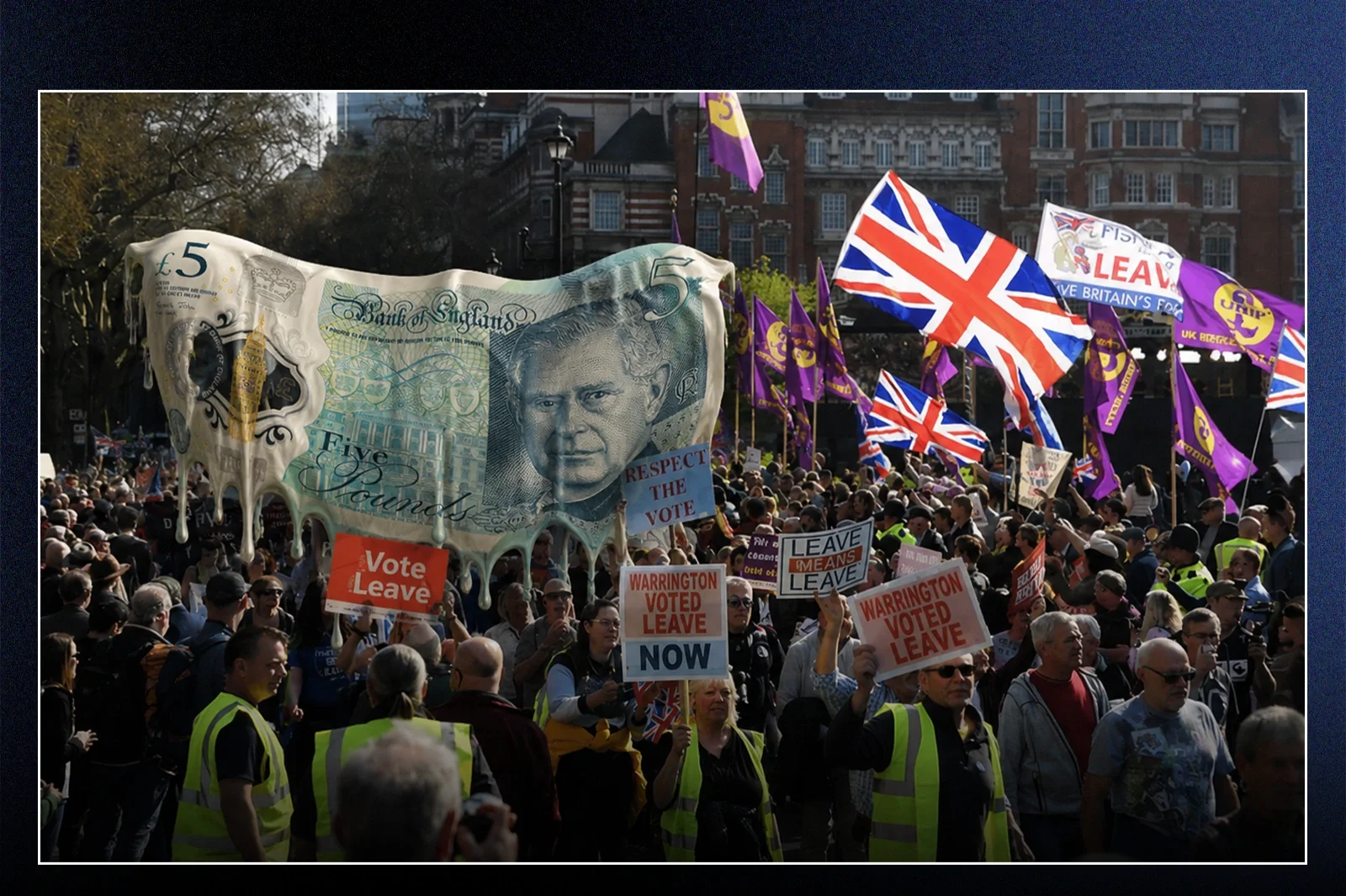
As we approach the decade mark since the United Kingdom’s historic decision to withdraw from the European Union, the economic landscape of the nation remains a subject of intense scrutiny, policy debate, and fiscal adjustment. The process, initiated by the 2016 referendum and formally concluded through the Trade and Cooperation Agreement, fundamentally altered the UK’s relationship with its largest trading partner. For many, the focus has shifted from the initial political maneuvering to the long-term impact on the national treasury and the personal finances of British citizens.
The transition away from EU membership has necessitated a complex recalibration of trade, regulatory frameworks, and public spending. As of early 2026, the United Kingdom, a unitary parliamentary constitutional monarchy, continues to navigate the complexities of this transition while managing a nominal GDP estimated at $4.265 trillion, according to recent economic projections detailed in official country profiles. The discourse surrounding the “Brexit” legacy—often framed by the tension between sovereignty and economic integration—is now increasingly centered on how the government manages national debt, taxation, and the funding of essential services like the National Health Service.
The Fiscal Reality of a Post-Referendum Economy
The economic narrative following the UK’s departure from the European Union is multifaceted. While proponents of the exit argued that independence from Brussels-based regulatory bodies would allow for greater agility in global markets, critics point to the increased costs of trade friction and the challenges of labor supply. The Office for Budget Responsibility has frequently updated its forecasts to reflect the structural shifts in the economy, noting the impact of both the pandemic and the post-Brexit transition on productivity and growth targets.
For the average household, these macroeconomic shifts often manifest as changes in the cost of living and the tax burden. The government’s fiscal strategy, which includes managing the national deficit, has required difficult decisions regarding public spending. As the UK maintains its status as a significant global economy—with a GDP per capita estimated at $61,056 for 2026—the pressure to balance the budget while funding social welfare programs remains a central challenge for the current administration under Prime Minister Keir Starmer as noted in updated government and society records.
Navigating Trade and Regulatory Independence
One of the primary arguments for leaving the European Union was the ability for the United Kingdom to set its own regulatory standards. This “sovereignty” argument, however, has been met with the practical reality of maintaining trade fluidity with the European Single Market. The Trade and Cooperation Agreement serves as the legal bedrock for this relationship, requiring ongoing cooperation on customs, environmental standards, and labor laws. Businesses across the UK have had to adapt to new administrative requirements, which have, in some sectors, contributed to higher operational costs.
The long-term impact of these changes on the UK’s service-heavy economy—which comprises a significant portion of its total output—is still being measured. Financial services, a cornerstone of the British economy, have seen firms relocate certain operations to EU hubs to ensure continued access to the continent’s markets. This movement of capital and personnel highlights the ongoing tension between maintaining a distinct regulatory path and retaining seamless access to neighboring economies.
Public Services and the Tax Burden
A significant portion of the public debate today involves the funding of the National Health Service (NHS) and other public infrastructure. The promise of redirecting funds previously sent to the European Union toward domestic priorities was a key theme in the years surrounding the 2016 vote. Today, the debate has evolved into a question of efficacy: how can the government maintain high-quality public services amidst a complex fiscal climate? Analysts frequently monitor the government’s tax-to-GDP ratio, as policymakers seek to ensure that public services are sustainable without stifling private sector investment.

The demographic landscape of the UK, with a population of approximately 69 million, also plays a critical role in these fiscal decisions. As the population ages, the demand for healthcare and social care services increases, placing further pressure on the national budget. The government’s approach to these challenges is often reflected in the annual budget statements, where shifts in taxation and public spending are debated in the House of Commons.
Key Considerations for the Future
- Regulatory Alignment: The UK continues to navigate the balance between diverging from EU laws to foster innovation and maintaining alignment to facilitate easier trade.
- Labor Market Dynamics: Post-Brexit immigration policies have shifted the labor market, impacting sectors that previously relied on a fluid supply of European workers.
- Global Trade Strategy: The government is actively pursuing trade agreements outside of the EU framework to diversify its economic partnerships.
- Fiscal Sustainability: Managing the national debt remains a priority as the government balances the need for public investment with the goal of fiscal discipline.
As we look toward the next decade, the UK’s economic trajectory will likely be defined by its ability to leverage its post-EU status to drive productivity. Whether the nation can achieve the growth levels envisioned by proponents of the exit remains to be seen. The coming months will provide further clarity through official government reports on economic performance and upcoming legislative sessions where fiscal policy will be further refined.

We invite our readers to follow our ongoing coverage as we track these developments. Please share your thoughts in the comments section below or join the conversation on our social media channels regarding the future of the UK economy.