
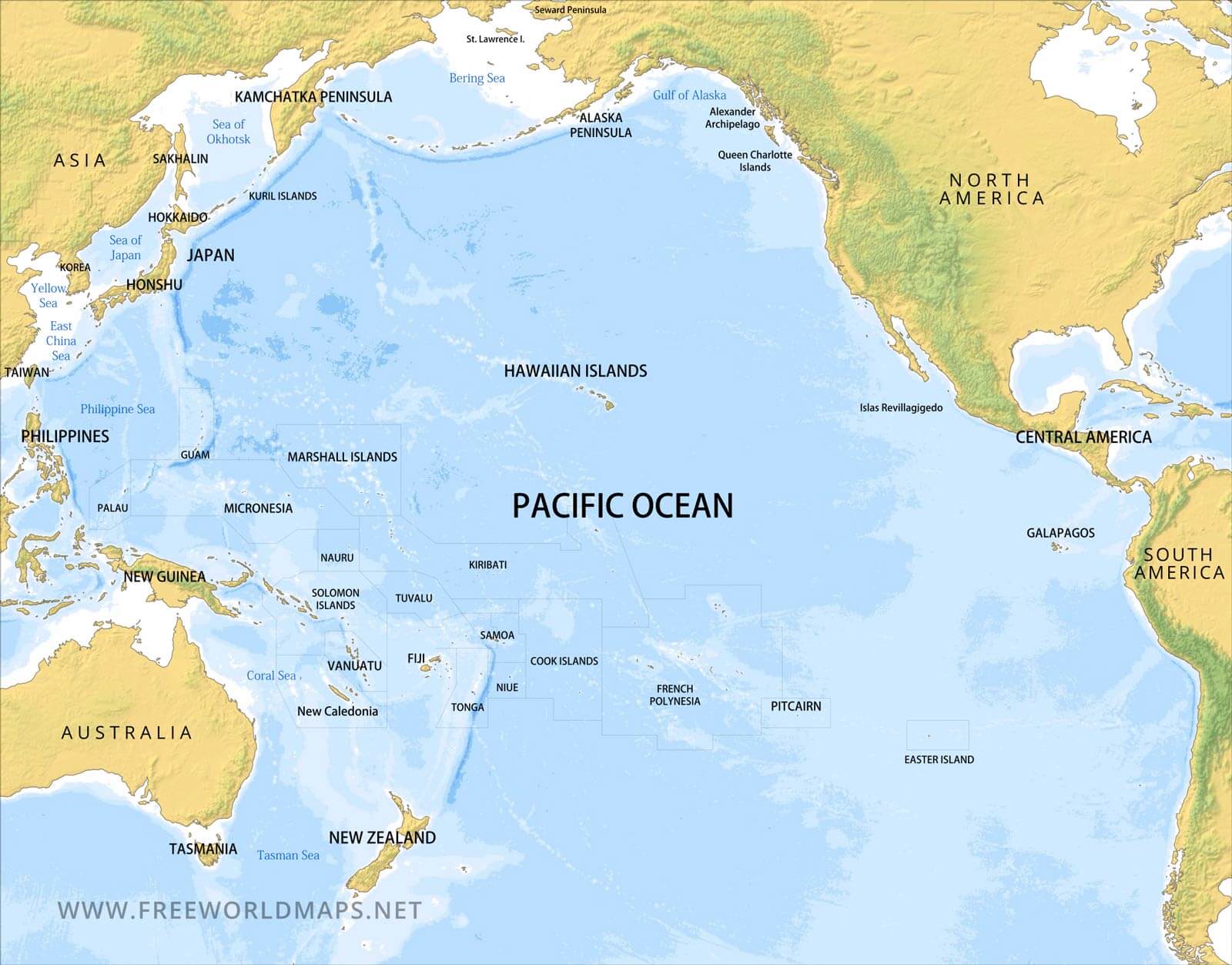
A recent U.S. Military operation in the eastern Pacific Ocean has resulted in the deaths of three individuals aboard a vessel suspected of involvement in drug trafficking. This incident marks the fourth such engagement involving U.S. Forces in the region within a single week, intensifying scrutiny regarding the tactical protocols currently employed in maritime interdiction efforts.
The operation, which authorities characterize as part of an ongoing campaign to disrupt illicit maritime narcotics transport, has sparked broader questions about the escalation of force in international waters. While the U.S. Government maintains that these actions are essential to national security and regional stability, the frequency of these encounters—and the resulting casualties—has drawn attention from international observers and human rights advocates monitoring the situation in the Pacific theater, according to reporting by Reuters.
Maritime Interdiction and Escalating Tensions
The eastern Pacific remains a primary corridor for the transit of illicit goods, leading to a persistent military and law enforcement presence. The U.S. Department of State oversees various foreign policy initiatives aimed at curbing these activities, often collaborating with regional partners to secure maritime borders. For those interested in the official guidance regarding U.S. Foreign policy and security interests, the U.S. Department of State website provides ongoing updates on international engagements and safety protocols.

The recent spike in vessel strikes follows a period of heightened activity in the region. According to data tracked by humanitarian and news organizations, these incidents contribute to a growing cumulative death toll associated with maritime interdiction operations. While exact figures remain subject to ongoing military review, the Associated Press has noted that the total number of fatalities in these types of encounters has reached 199, a figure that includes missing persons who have not been recovered following recent engagements.
Understanding the Operational Context
For the public and international stakeholders, understanding the legal and operational framework of these strikes is critical. These missions are typically conducted under the purview of established maritime interdiction laws and international agreements designed to prevent the movement of contraband. However, the use of kinetic force against vessels suspected of drug trafficking remains a subject of intense debate.
Observers often look to official government channels to distinguish between standard interdiction procedures and the application of force. As the administration continues its current policy trajectory, stakeholders are encouraged to monitor statements from the Department of Defense and other relevant agencies for detailed reports on specific engagement criteria. The U.S. News & World Report provides a platform for tracking these developments and the broader political discourse surrounding current administrative policies.
Key Considerations for Global Observers
- Frequency of Engagement: The recent acceleration to four strikes in one week represents a significant shift in operational tempo.
- Casualty Tracking: The rise in the total death toll to 199 underscores the lethal nature of these encounters, with recovery efforts often hindered by the remote nature of the Pacific Ocean.
- Strategic Goals: Official justifications for these strikes remain tied to the disruption of drug trafficking networks, though the humanitarian cost continues to be a focal point for critics.
Looking Ahead: Accountability and Oversight
As these operations continue, the focus will likely shift toward the necessity of independent reviews and the transparency of military reporting. The lack of survivors in many of these cases makes the task of verifying the exact circumstances of each strike difficult, often leaving official military accounts as the primary record of events.
The next major milestone for those following this story will be the release of subsequent military after-action reports or potential inquiries from oversight committees regarding the rules of engagement. As a journalist, I will continue to track these developments to ensure our readers have the most accurate information available. We encourage our global audience to stay engaged with these updates and share your thoughts on the implications of these maritime policies.
Jonathan Reed serves as the Editor of the News section at World Today Journal. With over 16 years of experience in global journalism, he focuses on providing fact-based, rigorous analysis of international affairs.
Worth a look