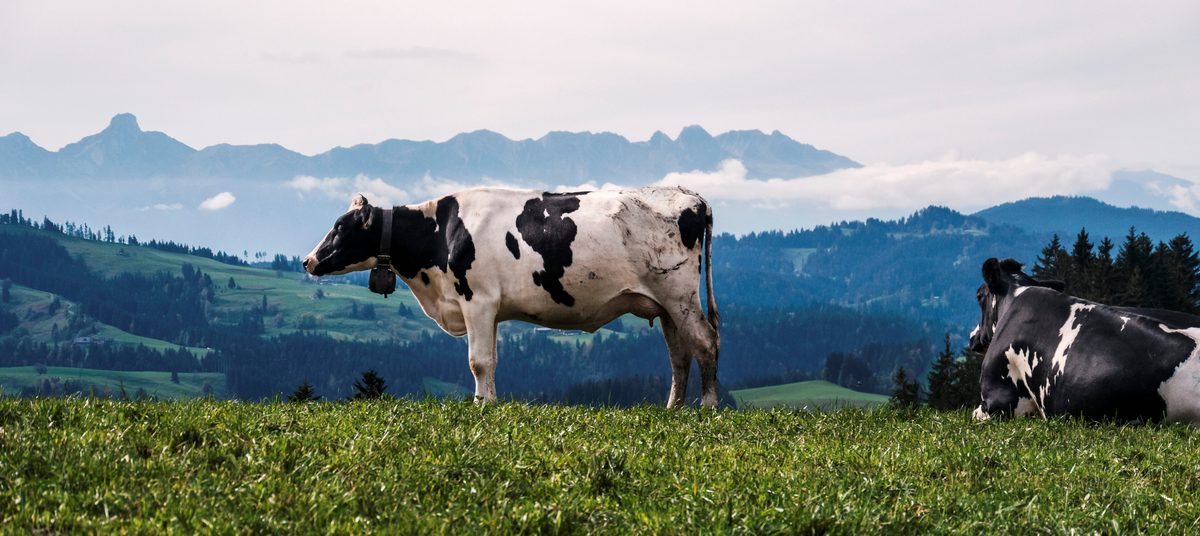
Dairy farmers in parts of Switzerland, including the cantons of Bern and Lucerne, have reported an uptick in cases of digestive distress and fever among their herds during the summer months. As livestock owners seek to manage these health challenges, questions have emerged regarding the role of bovine coronavirus compared to the effects of extreme summer temperatures on cattle health.
Bovine coronavirus is a well-documented respiratory and enteric virus in cattle, known to cause clinical symptoms such as calf diarrhea and winter dysentery in adult cows. According to the MSD Veterinary Manual, while the virus is a common pathogen in cattle populations worldwide, its manifestation can vary significantly depending on the age of the animal and environmental pressures. In the current Swiss context, local agricultural authorities and veterinarians are working to differentiate between viral outbreaks and the physiological strain caused by heat stress.
Distinguishing Viral Symptoms from Environmental Strain
The clinical presentation of bovine coronavirus—which includes watery diarrhea, reduced milk yield, and fever—often overlaps with the symptoms of heat stress in dairy cattle. When ambient temperatures exceed the thermoneutral zone for dairy cows, which generally ranges between 5°C and 25°C depending on humidity, animals often exhibit decreased feed intake and lethargy, according to data from the Food and Agriculture Organization of the United Nations (FAO).
Veterinary experts emphasize that heat stress compromises the cow’s immune response, potentially making the herd more susceptible to secondary infections. While bovine coronavirus is a specific viral agent, the presence of diarrhea in a herd during a heatwave requires careful diagnostic testing. The Swiss Federal Food Safety and Veterinary Office (FSVO) provides updated guidance on managing infectious diseases in livestock, noting that laboratory analysis is the only definitive method to distinguish between viral enteric pathogens and environmental stressors.
Management and Prevention Strategies for Farmers
For dairy operations facing health issues, the primary recommendation from animal health specialists involves immediate diagnostic isolation and environmental management. Maintaining adequate hydration is essential, particularly when cattle are experiencing diarrhea, as rapid fluid loss can lead to dehydration and secondary complications.
Strategies to mitigate heat stress include providing shaded areas, utilizing ventilation systems in barns, and ensuring constant access to clean, cool water. According to research from Iowa State University Extension and Outreach, these management practices are critical for maintaining herd welfare during peak summer temperatures. Farmers are encouraged to consult with their herd veterinarian to implement vaccination protocols for bovine coronavirus where appropriate, as these vaccines can reduce the severity of clinical signs in younger animals, though they may not provide full immunity against all strains.
Monitoring and Reporting Requirements
In Switzerland, the reporting of specific infectious diseases is governed by federal regulations aimed at protecting animal health and the safety of the food supply chain. The Swiss Ordinance on Epizootic Diseases outlines the responsibilities of livestock owners when suspecting a contagious outbreak. If a farmer notices sudden, widespread illness within their herd, they are required to contact a veterinarian to ensure proper diagnostic protocols are followed and to prevent the potential spread of pathogens to neighboring farms.
The situation in the cantons remains under observation as agricultural officials monitor for further developments. Farmers are advised to check for official updates through the FSVO early warning system, which provides the latest information on animal health trends and preventive measures. For those seeking further guidance, reaching out to local agricultural extension services can provide region-specific advice on managing current climate-related health risks in dairy herds. Please share your experiences or questions regarding herd health in the comments section below.
Related reading