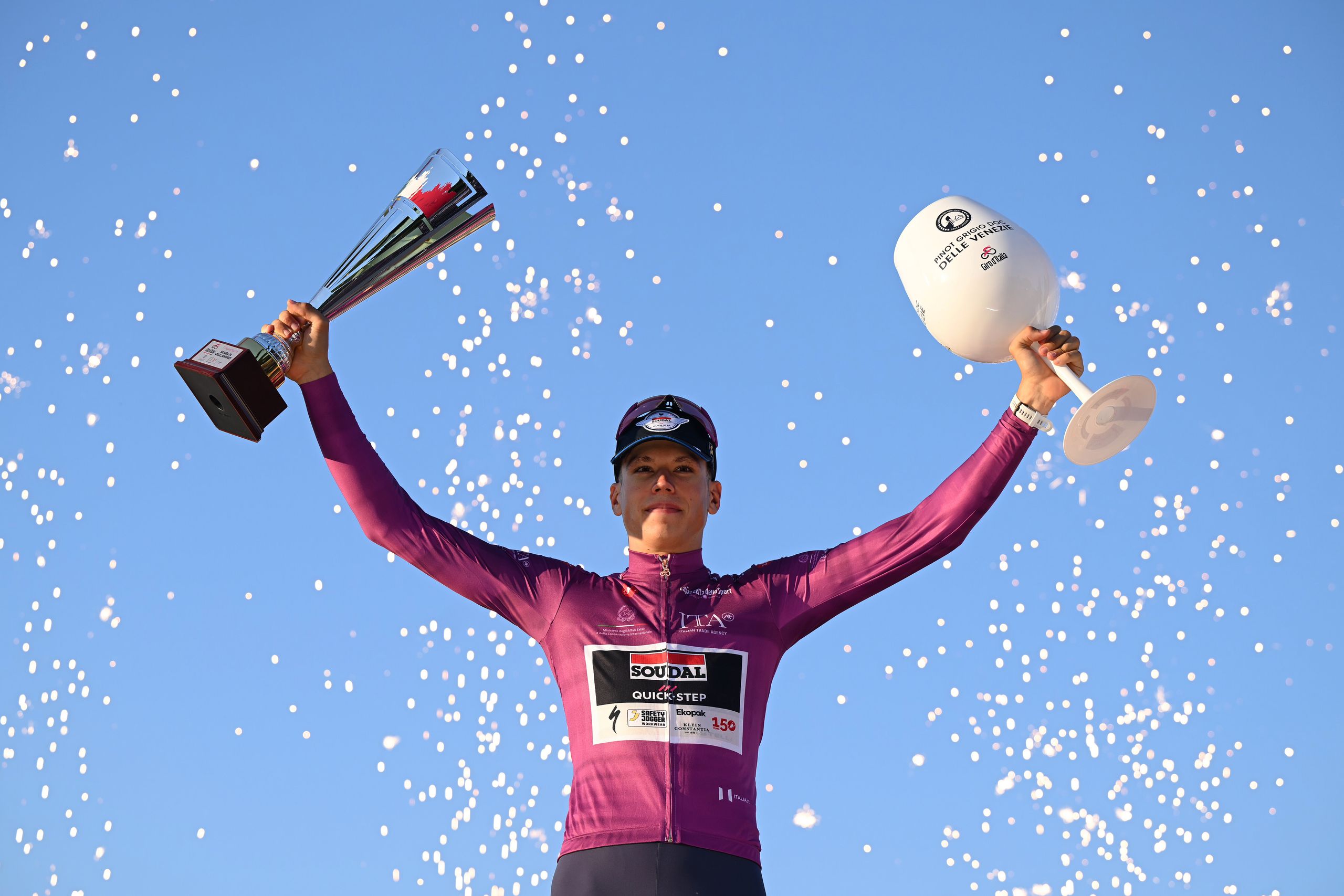
The final stage of the 2024 Giro d’Italia in Rome provided a grand stage for the world’s elite sprinters, but it also served as a coming-of-age moment for a young talent who has spent the last three weeks proving he belongs in the upper echelons of professional cycling. Paul Magnier, the 20-year-old sensation from Soudal-QuickStep, concluded his debut Grand Tour with a mixture of professional frustration and personal pride, marking a significant milestone in his burgeoning career.
While the final sprint honors in Rome ultimately went to Tim Merlier, Magnier’s presence at the front of the peloton throughout the Italian tour—often acting as a key pilot for his teammates or contesting high-stakes finishes himself—signaled that he is no longer just a prospect. he is a contender. Reflecting on his performance, Magnier noted, “It’s a really considerable achievement in my small career,” a sentiment that underscores the gravity of completing one of the sport’s most grueling three-week races at such a tender age.
A Baptism of Fire in the Professional Peloton
The Giro d’Italia is notoriously unforgiving, a test of physical endurance and mental fortitude that often breaks seasoned veterans. For a rider of Magnier’s age, simply surviving the transition from the U23 ranks to the WorldTour level is a feat in itself. According to official Union Cycliste Internationale (UCI) classifications, Magnier’s rise has been meteoric, characterized by explosive power and tactical awareness that belies his limited experience in the professional circuit.

Throughout the 21 stages, which covered over 3,400 kilometers of challenging Italian terrain, Magnier demonstrated his value to the Soudal-QuickStep squad. His role evolved from a support rider to an occasional leader in sprint finishes, showcasing a versatility that the team management has been eager to cultivate. The 2024 edition of the race, which saw Tadej Pogačar dominate the general classification, provided a high-pressure environment where young riders were forced to adapt or fall behind. Verification of race results and stage data can be found via the official Giro d’Italia portal, which tracks the evolution of each rider’s standing throughout the three-week event.
Strategic Growth and Team Dynamics
Soudal-QuickStep has long been known as the “Wolfpack,” a team with a storied history of developing world-class sprinters. Magnier’s integration into this high-performance environment is not accidental; it is a calculated investment in the future of the team. By placing him in the crucible of the Giro, the team management allowed him to learn the nuances of positioning, energy conservation, and the sheer grit required to contest a sprint after five hours in the saddle.

His performance in Rome, while not resulting in a podium finish, was a masterclass in positioning. He navigated the technical, cobblestone-heavy finish in the Italian capital with the composure of a veteran. For a young athlete, this “small career” milestone is a vital building block. It provides the empirical data and the psychological confidence necessary to compete for stage wins in future Grand Tours, including the Tour de France or the Vuelta a España.
Key Takeaways from Magnier’s Giro Performance
- Endurance Threshold: Successfully completing his first three-week Grand Tour, demonstrating recovery capabilities essential for future success.
- Tactical Maturity: Displayed an ability to read the peloton, providing crucial lead-out support while maintaining the energy to contest finishes.
- Professional Integration: Solidified his role within the Soudal-QuickStep hierarchy, transitioning from a developmental rider to a reliable WorldTour asset.
- Future Potential: Identified by analysts as a primary candidate for stage-hunting in future UCI WorldTour events throughout the 2025 season.
What Happens Next for the Rising Star
Following the conclusion of the Giro d’Italia, the professional cycling calendar moves toward the mid-summer classics and the preparation for the second Grand Tour of the season. For Paul Magnier, the immediate future involves a period of recovery and analysis. The data gathered during these three weeks will be processed by the team’s performance staff to tailor his training load for the remainder of the year.

Cycling enthusiasts and fans of the sport can follow the official updates regarding rider schedules and team rosters through the official Soudal-QuickStep team website. As the season progresses, all eyes will be on whether Magnier can translate this breakthrough experience into his first major professional victory in a Grand Tour setting. His journey is a testament to the rigorous, data-driven nature of modern cycling, where every stage is an opportunity to learn, and every finish line is a step toward greater glory.
We invite our readers to share their thoughts on Magnier’s performance. Do you believe he is the next great sprinter to emerge from the European circuit? Join the conversation in the comments section below and stay tuned to World Today Journal for ongoing coverage of the 2024 cycling season.