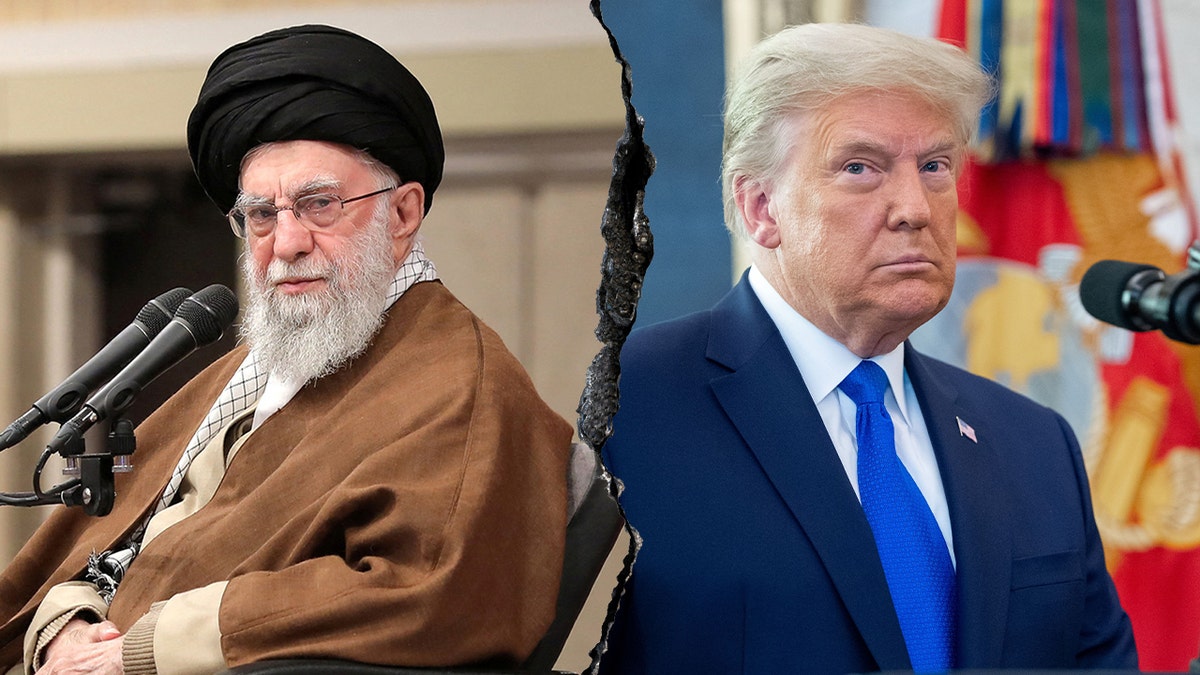
President Donald Trump has introduced a series of revised, more stringent terms to a potential peace framework aimed at ending the ongoing military conflict with Iran. This development, confirmed by officials familiar with the situation, introduces new complexities into the diplomatic negotiations, which have been ongoing since the commencement of joint U.S.-Israeli military strikes on February 28, 2026.
The updated proposal, which has been returned to Tehran for review, represents a shift in the administration’s approach to the negotiations surrounding the conflict. While the exact nature of the modifications remains undisclosed, the move is being interpreted as a strategic effort by the U.S. To accelerate the diplomatic process by placing greater pressure on the Iranian leadership to accept the broader terms of the deal.
Shifting Terms and Diplomatic Hurdles
The revised memorandum of understanding comes after a two-hour meeting in the White House Situation Room held on Friday, May 29, 2026. Despite the high-level discussions between the President and his senior aides, no formal announcement was made following the session. The framework currently under discussion is designed to facilitate an end to the military campaign in exchange for Iran lifting its blockade of the Strait of Hormuz, a critical maritime chokepoint through which approximately 20% of global oil supplies transit, as reported by The Economic Times.

A primary point of contention for President Trump involves provisions related to the unfreezing of Iranian financial assets. The President has expressed deep skepticism regarding these measures, citing his historical criticism of the previous nuclear agreement brokered during the Obama administration. The President has voiced frustration regarding the pace of the current diplomatic exchanges, which have relied on various intermediaries, including representatives from Pakistan, to bridge the communication gap between Washington and Tehran.
Nuclear Provisions and Future Negotiations
The current framework is notably limited in scope, focusing primarily on immediate de-escalation and the restoration of trade routes. According to officials, more complex and potentially contentious issues—most notably the future of Iran’s nuclear program—have been intentionally deferred to subsequent rounds of talks. This modular approach is intended to secure an immediate cessation of hostilities while acknowledging that a comprehensive, long-term settlement remains a significant distance away.

The objective of the revised proposal is to secure the approval of Iran’s supreme leader, Mojtaba Khamenei. Officials have noted that the logistical difficulty of reaching the supreme leader has consistently hampered the speed of the negotiations. By introducing a tougher set of demands, the U.S. Administration is attempting to create a clearer, more urgent pathway to a signed memorandum of understanding, though observers warn that these changes could conversely lead to further delays as the Iranian government assesses the new conditions.
Key Factors in the Current Diplomatic Landscape
- The Strait of Hormuz: The reopening of this vital shipping lane remains a non-negotiable condition for the United States.
- Financial Provisions: President Trump remains cautious regarding the release of frozen funds, a point of significant friction in the proposed framework.
- Strategic Sequencing: By deferring nuclear program discussions, the current framework prioritizes immediate regional security and economic stability over long-term arms control.
- Communication Channels: The reliance on intermediaries, including Pakistan, underscores the lack of direct diplomatic lines between the two nations.
What Happens Next
The current diplomatic impasse persists as Tehran reviews the latest iteration of the peace proposal. The outcome of these deliberations will determine whether the military conflict, which has persisted since late February, can be brought to a negotiated conclusion or if the parties will remain locked in a cycle of limited military engagement. There has been no set date for a follow-up meeting between U.S. Officials and their counterparts, and the administration has not indicated a deadline for Iran’s response.

As this situation develops, the international community continues to monitor the impact of the blockade on global energy markets and the broader implications for Middle Eastern security. We encourage our readers to follow our ongoing coverage as official statements are released regarding the status of these negotiations.
What are your thoughts on the latest developments in the Iran-U.S. Peace framework? Join the conversation in the comments section below.
Keep reading