
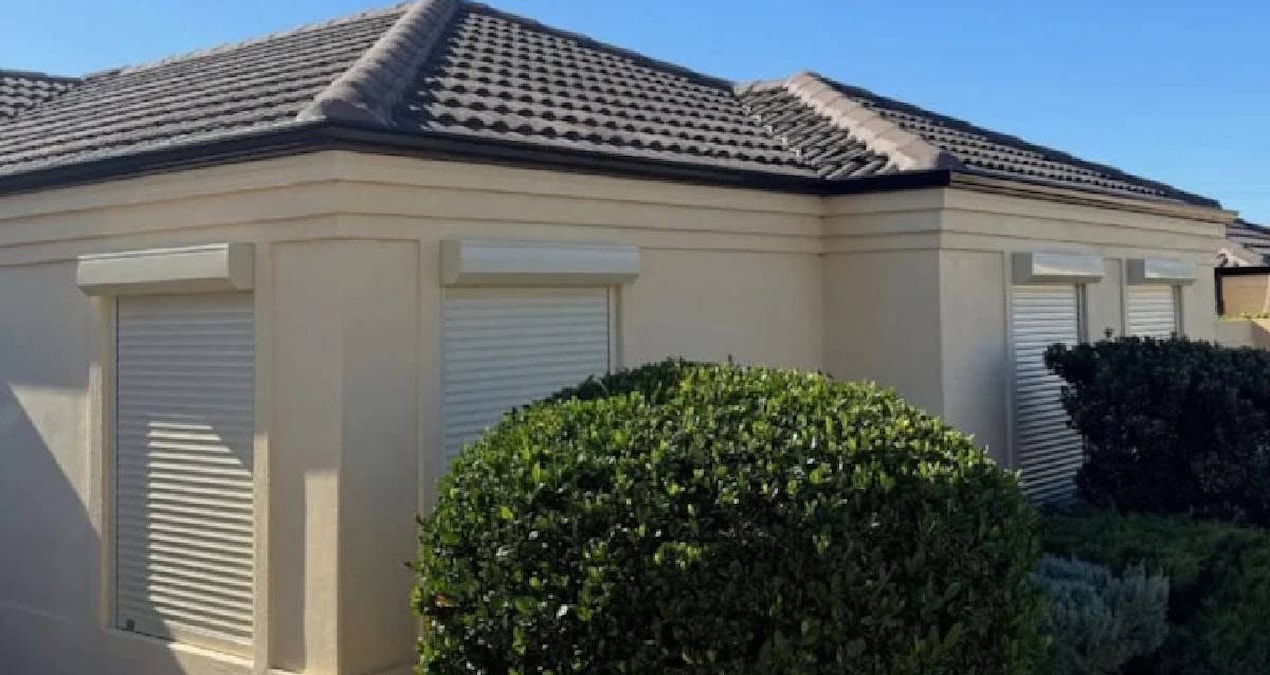
The sun-drenched facades of Mediterranean cities are undergoing a quiet but contentious transformation. In Turkey, a growing wave of municipal regulations is targeting a staple of local architecture: the window shutter. While often framed in local headlines as a “ban,” the reality is a complex legal and social tug-of-war between the rights of individual homeowners and the increasingly strict mandates of urban aesthetic preservation.
For decades, external shutters—whether wooden, plastic, or metal—have been essential tools for managing the intense heat of the Turkish summer and ensuring privacy in densely populated urban centers. However, as municipalities prioritize “architectural uniformity” and the visual appeal of tourism-heavy districts, many residents are finding that their traditional methods of climate control are suddenly in violation of local building codes.
This tension highlights a global trend in urban planning where the collective identity of a city is weighed against the practical, everyday needs of its citizens. As local governments implement these aesthetic mandates, the debate is moving from neighborhood complaints to legal battlegrounds, leaving homeowners to navigate a maze of zoning laws and municipal decrees.
The Mechanics of the “Ban”: Aesthetics Over Utility
To understand the controversy, one must look past the sensationalist headlines. There is no singular, nationwide federal law banning shutters across the Republic of Turkey. Instead, the restrictions are being driven by municipal authorities and local zoning boards. These bodies are increasingly exercising their power to regulate “facade integrity”—the concept that the exterior of a building must adhere to a specific design language to maintain the character of a neighborhood.
The primary targets of these regulations are typically external shutters that deviate from pre-approved colors, materials, or structural designs. In many historical or coastal districts, municipalities have moved to prohibit any external additions that disrupt the “visual harmony” of the streetscape. This often includes motorized rolling shutters or brightly colored plastic models that clash with the traditional stone or plaster finishes of older buildings.
The impetus for these changes often stems from two sources: neighbor complaints and municipal urban transformation projects. When a resident installs a non-compliant shutter, it can trigger a chain of complaints regarding “visual pollution,” prompting local inspectors to enforce strict adherence to the neighborhood’s aesthetic profile. This has placed many homeowners in a difficult position, caught between the desire for a cool home and the threat of municipal fines or orders to remove installations.
The Stakeholders: A Conflict of Interest
The dispute over window shutter regulations creates a clear divide between three primary groups, each with competing priorities:

- Municipalities and Urban Planners: Their objective is to protect the “brand” of the city. In regions heavily dependent on international tourism, the visual consistency of streets and buildings is seen as a vital economic asset. By enforcing strict facade management, they aim to prevent the “chaos” of uncoordinated architectural additions.
- Homeowners and Residents: For the individual, shutters are not an aesthetic choice but a functional necessity. In a country facing rising energy costs and increasingly severe heatwaves, shutters provide a low-cost method of reducing indoor temperatures and minimizing reliance on air conditioning. They serve as a critical layer of privacy in high-density housing.
- Real Estate Developers: Developers often support these regulations, as standardized, aesthetically pleasing facades can increase the market value of new developments and ensure that large-scale projects meet the “prestige” requirements of high-end urban zones.
The conflict is particularly acute in Mediterranean climates, where the energy-saving benefits of shutters are most pronounced. As global temperatures rise, the ability to regulate indoor heat through passive architectural means becomes a matter of both comfort and economic survival for many families.
Legal Framework and the Rise of Urban Transformation
The legal authority for these restrictions is rooted in Turkey’s broad municipal empowerment regarding zoning and urban planning. Under local governance laws, municipalities have the mandate to regulate the “order and aesthetics” of their jurisdictions. This power is often exercised through “Imar Planları” (Zoning Plans), which dictate everything from building height to the permissible colors of window frames and shutters.
In recent years, the push for “Urban Transformation” (Kentsel Dönüşma) has amplified these regulations. As older, dilapidated neighborhoods are revitalized, new aesthetic standards are imposed on the entire area. While these projects aim to improve safety and modernize infrastructure, they often come with stringent design requirements that can render existing, functional household features—like traditional shutters—illegal overnight.
Legal experts note that the primary challenge for residents lies in the ambiguity of terms like “visual harmony” or “architectural integrity.” Because these terms are subjective, they grant significant discretionary power to municipal inspectors, making it difficult for homeowners to know exactly what is permitted until a violation is cited.
Comparison: Traditional vs. Regulated Window Treatments
The following table outlines the differences between the traditional shutters many residents prefer and the regulated alternatives often mandated by modern municipal codes.
| Feature | Traditional/Unregulated Shutters | Regulated/Municipal-Approved Alternatives |
|---|---|---|
| Primary Material | Often wood, heavy plastic, or metal. | Standardized aluminum or specific composite materials. |
| Visual Impact | High visibility; can vary by homeowner. | Low visibility; designed to blend into the facade. |
| Color Palette | Wide variety of colors and finishes. | Strictly limited to a pre-approved municipal palette. |
| Heat Regulation | Highly effective due to thickness and coverage. | Variable; often prioritized for aesthetics over insulation. |
| Installation | External mounting, often prominent. | Often recessed or integrated into the window frame. |
The Broader Implications: Privacy and Energy Efficiency
Beyond the aesthetic debate, the restriction of window shutters raises significant questions regarding energy policy and human rights. As the world moves toward more sustainable urban living, the ability to utilize passive cooling techniques is becoming a critical component of climate adaptation.
When municipalities restrict external shutters in favor of internal blinds or specialized glass, they may inadvertently increase the carbon footprint of a building. Internal blinds do little to stop solar radiation from entering through the glass, whereas external shutters prevent the heat from being absorbed by the building envelope in the first place. This leads to a higher demand for mechanical air conditioning, driving up both electricity consumption and urban heat island effects.
the issue of privacy cannot be overlooked. In many urban environments, the proximity of buildings means that shutters are the primary way residents control their visual connection to the street. Regulations that force a move toward more transparent or less controllable window treatments can be seen as an infringement on the personal sanctuary of the home.
Frequently Asked Questions
Is there a total ban on all types of shutters in Turkey?
No. There is no national ban. Restrictions are typically local and specific to certain municipalities, neighborhoods, or “architectural zones.” You must check your local municipal zoning laws (Imar Planı) to see what is permitted in your specific area.
Why are municipalities enforcing these rules?
The primary reasons are to maintain architectural uniformity, protect the aesthetic value of tourism-dependent regions, and prevent “visual pollution” caused by non-standard building modifications.
Can I be fined for having non-compliant shutters?
Yes. If your window treatments are found to be in violation of local zoning or facade regulations, municipalities have the authority to issue fines and mandate the removal or replacement of the non-compliant items.

How can I check if my shutters are legal?
Homeowners should consult their local municipality’s urban planning office or review the specific architectural guidelines for their neighborhood. If you are part of a residential complex, the building management (Site Yönetimi) often has these rules on file.
What Happens Next?
The resolution of this conflict will likely be found in the courts and through updated municipal guidelines. As more residents challenge these aesthetic mandates on the grounds of energy efficiency and property rights, legal precedents may begin to emerge that balance urban beauty with functional necessity. In the coming months, keep an eye on local municipal council meetings and upcoming urban transformation hearings, as these will be the primary venues where new regulations are debated and finalized.
What are your thoughts on the balance between city aesthetics and homeowner rights? Have you experienced similar regulations in your city? Share your views in the comments below and share this article with your network.