
The landscape of sustainable mobility is undergoing a significant transformation as the secondary market for electric vehicles (EVs) matures. For many prospective buyers, the transition to zero-emission transport has historically been hindered by high entry costs. However, as the first generation of mass-market battery electric vehicles reaches the three-to-five-year mark, we are seeing a notable shift in the availability of affordable, high-quality pre-owned options. Understanding the nuances of used electric cars—specifically which models now offer the best value—is essential for consumers looking to balance sustainability with financial prudence.
As the European market continues to align with the European Union’s 2035 target to phase out the sale of new internal combustion engine vehicles, the secondary market is becoming a critical component of the broader electrification strategy. According to the European Environment Agency, the integration of EVs into the wider fleet is vital for meeting long-term climate neutrality goals. For the individual consumer, this means that the depreciation curves of early EV models are beginning to stabilize, creating a window of opportunity for those who previously found the technology inaccessible.
The Evolution of Value in the Electric Secondary Market
The primary driver behind the current affordability of pre-owned EVs is the rapid pace of technological advancement. As manufacturers introduce new battery chemistries and improved software architectures, earlier models—while still highly functional—experience a faster rate of depreciation. This represents not necessarily a reflection of poor quality, but rather a standard economic response to the accelerated innovation cycles characteristic of the automotive industry’s electrification phase.
When evaluating potential purchases, experts emphasize the importance of battery health, which remains the most significant variable in determining the long-term value of a used electric vehicle. Unlike internal combustion engines, where mileage is the primary proxy for wear, EV health is measured by the state of health (SoH) of the battery pack. Prospective buyers should always prioritize vehicles that come with a comprehensive service history and, where possible, a certified battery health report from an authorized dealership, as noted in guidance from the Automobile Association.
Models Defining the Entry-Level Segment
While specific price fluctuations vary by region, several models consistently appear in the conversation regarding value-retention and affordability. The Renault Zoe, for instance, has long been a staple of the European market, offering a compact footprint and reliable urban range. Because of its long production run, there is a deep supply of used units available, which keeps the price point competitive for first-time EV buyers.
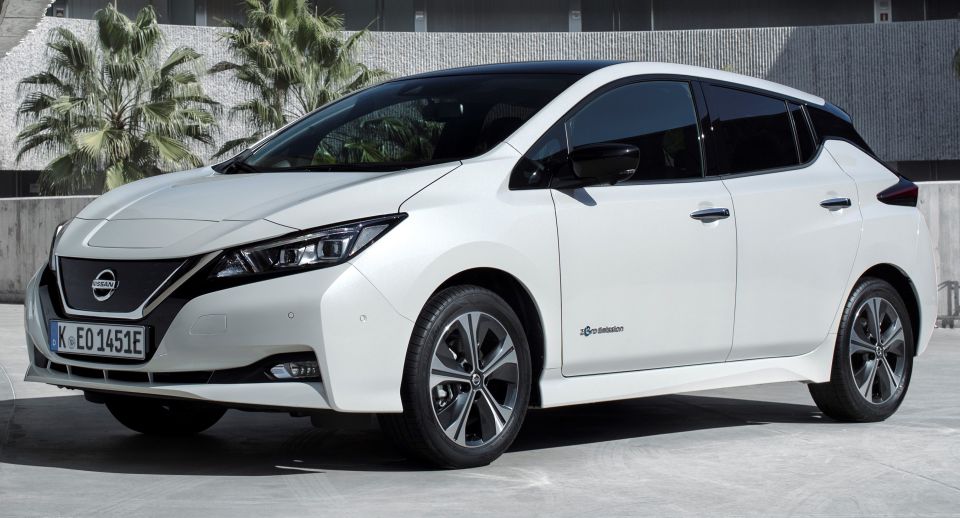
Similarly, the Nissan Leaf remains a cornerstone of the segment. As one of the first mass-produced electric vehicles to reach a global market, the Leaf benefits from a well-established service infrastructure. Buyers looking for a balance between price and utility often find that early-to-mid-cycle models offer significant savings compared to new internal combustion alternatives. The International Energy Agency highlights that the total cost of ownership (TCO) for such vehicles often remains lower than traditional cars due to reduced maintenance requirements and fluctuating but generally lower fuel costs per kilometer.
Strategic Considerations for the Savvy Buyer
Beyond the sticker price, potential owners must account for the infrastructure landscape. In many regions, the availability of public charging stations remains a key factor in the day-to-day viability of an electric vehicle. Before committing to a purchase, it is advisable to utilize official government mapping tools, such as those provided by national transport ministries or energy regulators, to verify the density of charging infrastructure in one’s local area and along frequent commute routes.
local incentives for pre-owned electric vehicles are periodically updated. In several jurisdictions, governments are shifting their financial support from new vehicle subsidies to broader initiatives that include tax credits for used vehicle purchases, aimed at democratizing the shift to electric transport. Keeping track of the latest legislative updates from local environmental and transport departments is a prudent step for any buyer.
Looking Ahead
The market for pre-owned electric vehicles is no longer a niche segment. it is a burgeoning sector that reflects the broader maturation of the automotive industry. As the transition to electric mobility gains momentum, the secondary market will play an increasingly pivotal role in ensuring that the benefits of cleaner transport are accessible to a wider demographic. Whether through reduced operational costs or the environmental impact of extending the lifecycle of existing vehicles, the case for considering a pre-owned electric model has never been stronger.
We encourage our readers to share their experiences with the pre-owned electric vehicle market in the comments section below. What factors were most important in your purchasing decision and how has your ownership experience been so far? We look forward to hearing your insights as we continue to track developments in the global automotive sector.
Worth a look
- Who Pays for Climate Disasters? Funding the Cost of Global Catastrophes
- DeepSeek AI: China’s New Model 100x Cheaper Than Claude Fable 5
- China’s AI Sector Challenges US Rivals With High-Performance Models (archyworldys.com)
- Kreios Space to Demo Air-Breathing Electric Propulsion in Very Low Earth Orbit (time.news)