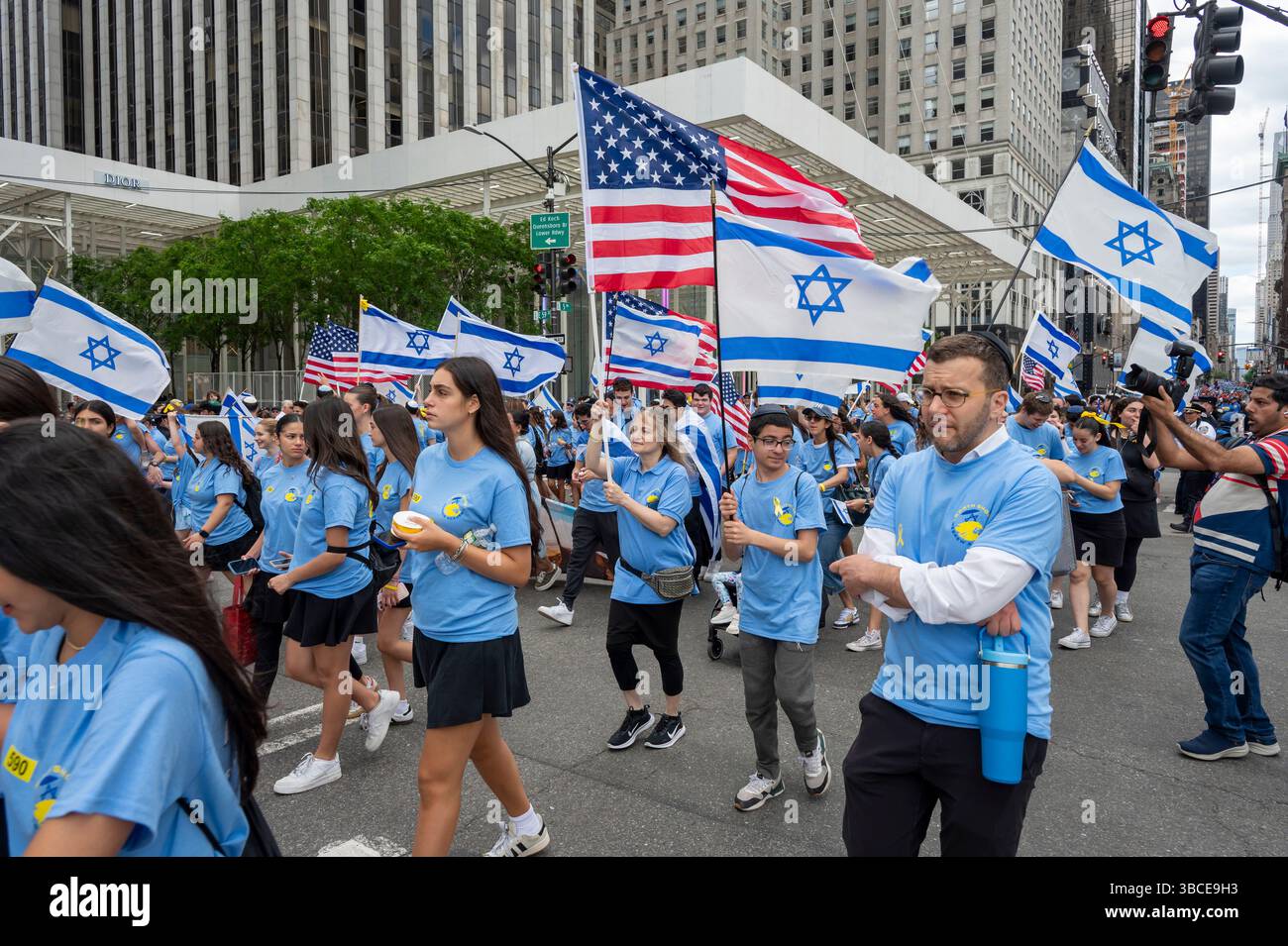
LONDON — The annual Israel Day Parade along New York City’s iconic Fifth Avenue has long served as a cornerstone of the city’s political and cultural calendar, a moment where the municipal leadership traditionally stands in visible solidarity with the Jewish community. However, this year, the absence of a prominent figure has sent ripples through the city’s complex political landscape, signaling a deepening ideological divide within the New York Democratic Party.
Zohran Mamdani, a New York State Assemblymember and a rising force in the city’s progressive movement, has broken with longstanding mayoral tradition by opting out of the celebration. While the parade remains a massive, high-energy event drawing thousands of spectators to the Manhattan thoroughfare, Mamdani’s absence marks a significant departure from the expected participation of high-ranking city officials, particularly as the political conversation in New York becomes increasingly centered on the Israel-Palestine conflict.
The decision by Mamdani—who has recently signaled his ambitions within the city’s political hierarchy—is being viewed by analysts not merely as a personal scheduling choice, but as a potent political statement. As New York City navigates the fallout of regional instability in the Middle East, the decision of local leaders to attend or abstain from such high-profile commemorations has become a litmus test for their constituent allegiances and their stance on international affairs.
A Tradition at a Crossroads
For decades, the Israel Day Parade has been more than a community celebration; it has been a political ritual. Traditionally, the Mayor of New York City, along with various City Council members and state representatives, has made a ceremonial appearance to signal support for the city’s significant Jewish population. This presence is often seen as a vital component of maintaining the broad-tent coalition that defines New York’s Democratic establishment.
The parade, which winds through the heart of Manhattan, serves as a display of cultural pride and communal strength. However, the atmosphere surrounding the event has shifted in recent months. The intense scrutiny of the conflict in Gaza has transformed the parade from a purely celebratory event into a flashpoint for local political debate. For many progressive leaders, the traditional participation in the parade has become complicated by their vocal calls for a ceasefire and their critiques of Israeli government policies.
Mamdani, a member of the Democratic Socialists of America (DSA), has been a consistent voice in the New York State Assembly advocating for Palestinian rights and criticizing unconditional support for the Israeli state. His decision to skip the event aligns with a broader trend among the city’s progressive wing, which seeks to decouple local governance from traditional foreign policy alignments that they argue do not reflect the views of a diverse and increasingly activist electorate.
The Rise of Zohran Mamdani and a New Political Guard
To understand the weight of this absence, one must look at the political trajectory of Zohran Mamdani. Representing a diverse district in Queens, Mamdani has emerged as a leading figure in the movement to reshape the Democratic Party from the bottom up. His platform—which emphasizes tenant rights, public power, and a radical restructuring of social services—has found significant resonance among younger, more diverse voters in the five boroughs.
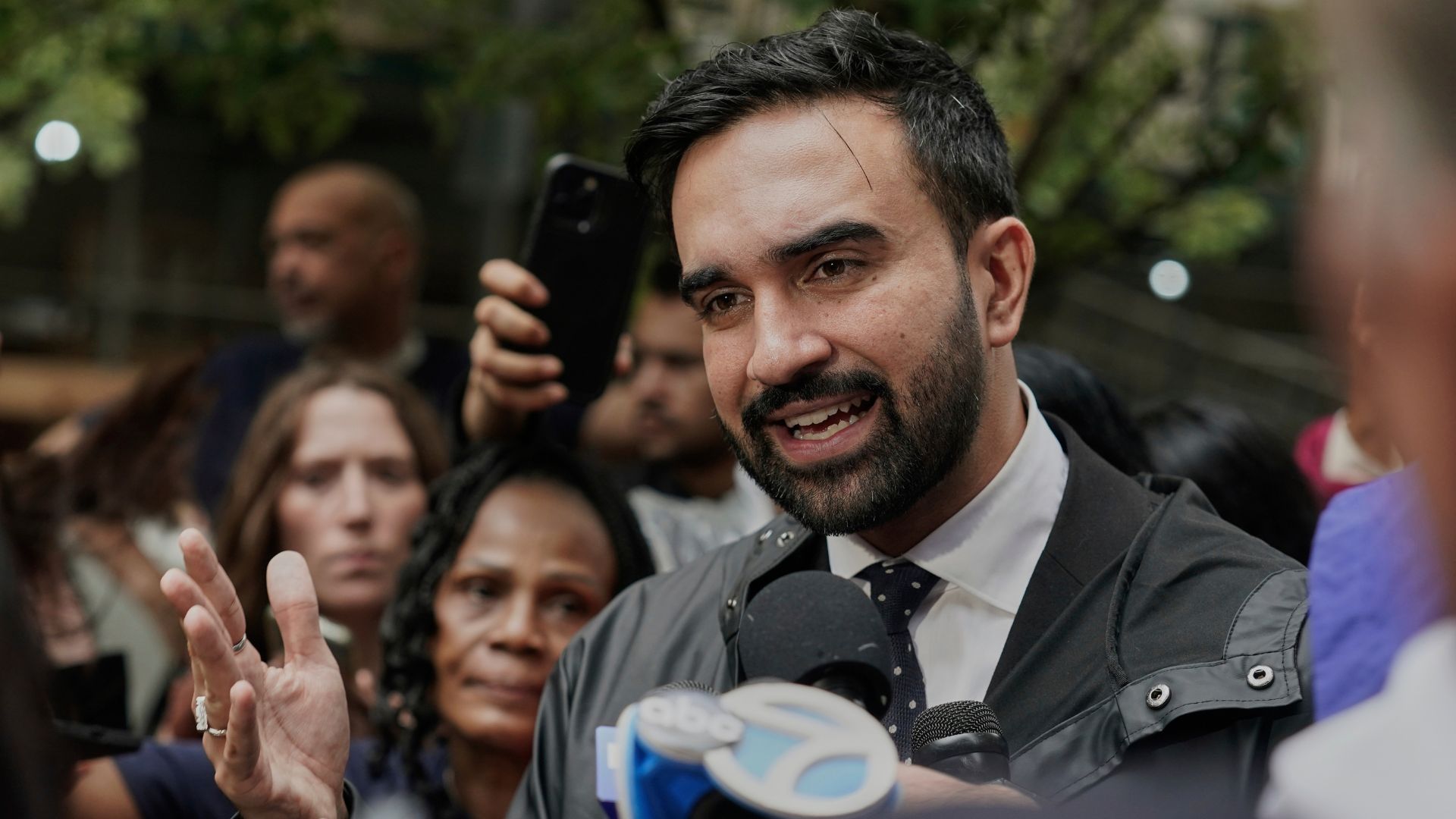
Mamdani’s political identity is inextricably linked to his advocacy for international justice. Unlike the traditional “establishment” Democrats, such as current Mayor Eric Adams, who have maintained more conventional stances on the Israel-Palestine issue, Mamdani has utilized his platform to challenge the status quo. His approach has made him a hero to many in the progressive movement but a lightning rod for criticism from more conservative and centrist elements of the Jewish community and the Democratic mainstream.
As the city looks toward future election cycles, Mamdani’s stance positions him as a disruptor. His ability to mobilize voters around single-issue politics—ranging from housing to foreign policy—suggests that the “old way” of doing New York politics, characterized by broad, often non-committal ceremonial appearances, may be facing a permanent challenge from a more ideologically driven generation of leaders.
The Impact of the Israel-Palestine Conflict on NYC Politics
The decision to skip the parade does not exist in a vacuum. This proves the local manifestation of a global crisis that has profoundly altered the social fabric of New York City. NYC is home to one of the largest Jewish populations in the world, as well as a massive and increasingly organized Arab and Muslim community. The tension between these groups, and the way local politicians navigate their relationship to both, has become a defining feature of the city’s current political era.
The political fallout is visible in several key areas:
- Electoral Strategy: Candidates are increasingly forced to take definitive stances on the conflict, making “neutrality” an increasingly difficult—and often losing—position.
- Community Relations: The absence of certain leaders from traditional events can lead to feelings of alienation within specific ethnic and religious communities, potentially impacting voter turnout and community cooperation.
- Policy Debates: Local discussions regarding funding for international aid, campus protests, and municipal resolutions are being heavily influenced by the stances taken by leaders like Mamdani.
For the organizers of the Israel Day Parade, the shifting political weather presents a challenge in maintaining the event’s traditional character while acknowledging the evolving political reality of the city. For the city’s leaders, the “parade question” is no longer just about attendance; it is about the very definition of what it means to represent a city as ideologically fragmented as New York.
Key Takeaways: The Shifting NYC Political Landscape
| Feature | Traditional Approach | Emerging Progressive Approach |
|---|---|---|
| Event Participation | Broad, ceremonial attendance to signal unity. | Selective participation based on policy alignment. |
| Primary Focus | Maintaining broad-tent coalitions. | Ideological clarity and grassroots mobilization. |
| Foreign Policy Linkage | Support for established diplomatic norms. | Direct advocacy for human rights and ceasefires. |
| Key Demographic | Established ethnic and religious blocs. |
What Happens Next?
The political repercussions of Mamdani’s decision will likely unfold in the coming months as the city moves deeper into its next election cycle. Observers will be watching closely to see if this trend of “principled absence” becomes a standard tactic for progressive candidates in New York.
The next major checkpoint for this political tension will be the upcoming municipal debates and legislative sessions, where the intersection of local policy and international sentiment is expected to be a dominant theme. As the city prepares for its next round of elections, the question of whether a leader can effectively represent all New Yorkers while maintaining a hardline stance on international conflicts remains the central mystery of the current political moment.
What do you think about the shifting traditions in New York City politics? Does a leader’s stance on international issues belong in local municipal politics? Let us know in the comments below and share this article with your network.