
For millions of individuals living with hypertension, the quest for effective management often feels like a relentless cycle of monitoring numbers and adjusting medications. Hypertension, frequently termed the “silent killer” due to its ability to progress without overt symptoms, remains a leading global risk factor for cardiovascular disease, stroke, and renal failure. While pharmacological interventions are a cornerstone of clinical practice, a growing body of scientific evidence is refocusing attention on a more accessible, physiological lever: movement.
Recent clinical insights have highlighted a phenomenon that offers hope for those seeking rapid, non-pharmacological ways to influence their vascular health. Scientists are increasingly pointing to specific modalities of exercise that can trigger a significant reduction in blood pressure—sometimes measurable within a 24-hour window following a single session. This acute response, known in medical literature as post-exercise hypotension (PEH), suggests that the body’s response to physical stress can be harnessed to provide immediate, albeit temporary, relief to the circulatory system.
As we navigate the complexities of modern cardiovascular health, understanding the distinction between long-term lifestyle modification and these acute physiological responses is critical. It is not merely about “getting fit”; it is about understanding how specific types of muscle contractions and aerobic stresses communicate with the autonomic nervous system to regulate vascular tone. In this report, we examine the science behind these rapid improvements and the specific exercises that are currently leading the research.
The Science of Post-Exercise Hypotension (PEH)
To understand how exercise can lower blood pressure in as little as 24 hours, one must look beneath the surface at the mechanism of post-exercise hypotension (PEH). When we engage in physical activity, our heart rate increases and our blood vessels dilate to accommodate the increased demand for oxygenated blood. However, once the activity ceases, a unique physiological state persists.
During the recovery phase, the body undergoes systemic vasodilation—a widening of the blood vessels. Here’s largely driven by an increase in nitric oxide production, a potent signaling molecule that tells the smooth muscles surrounding the arteries to relax. This relaxation reduces peripheral resistance, the force that the heart must pump against to circulate blood. As the resistance drops, the pressure within the arterial walls decreases. This effect is not instantaneous but can linger for several hours, often extending into the next day, depending on the intensity and type of exercise performed.

exercise helps modulate the autonomic nervous system. Chronic hypertension is often characterized by an overactive sympathetic nervous system (the “fight or flight” response), which keeps blood pressure elevated. Regular and even acute bouts of exercise can help shift the balance toward the parasympathetic nervous system (the “rest and digest” response), promoting a calmer, more regulated cardiovascular state. While these acute drops are significant, they serve as a physiological “reset” that, when compounded through regular activity, leads to sustained, long-term blood pressure reduction.
The Rise of Isometric Training: A New Front in Hypertension Management
While aerobic exercise has long been the gold standard for cardiovascular health, recent high-authority research has identified a surprising “superstar” in the fight against hypertension: isometric exercise. Unlike dynamic movements—where muscles shorten and lengthen (such as running or cycling)—isometric exercises involve holding a muscle in a fixed position under tension.
A landmark meta-analysis published in the British Journal of Sports Medicine (BJSM) found that isometric exercises were actually more effective at reducing systolic and diastolic blood pressure than traditional aerobic training. The study suggested that the sustained tension created during these exercises, followed by the sudden release, creates a unique vascular stimulus that may be more efficient at lowering pressure than the rhythmic movement of aerobic activity.
Common examples of effective isometric exercises include:
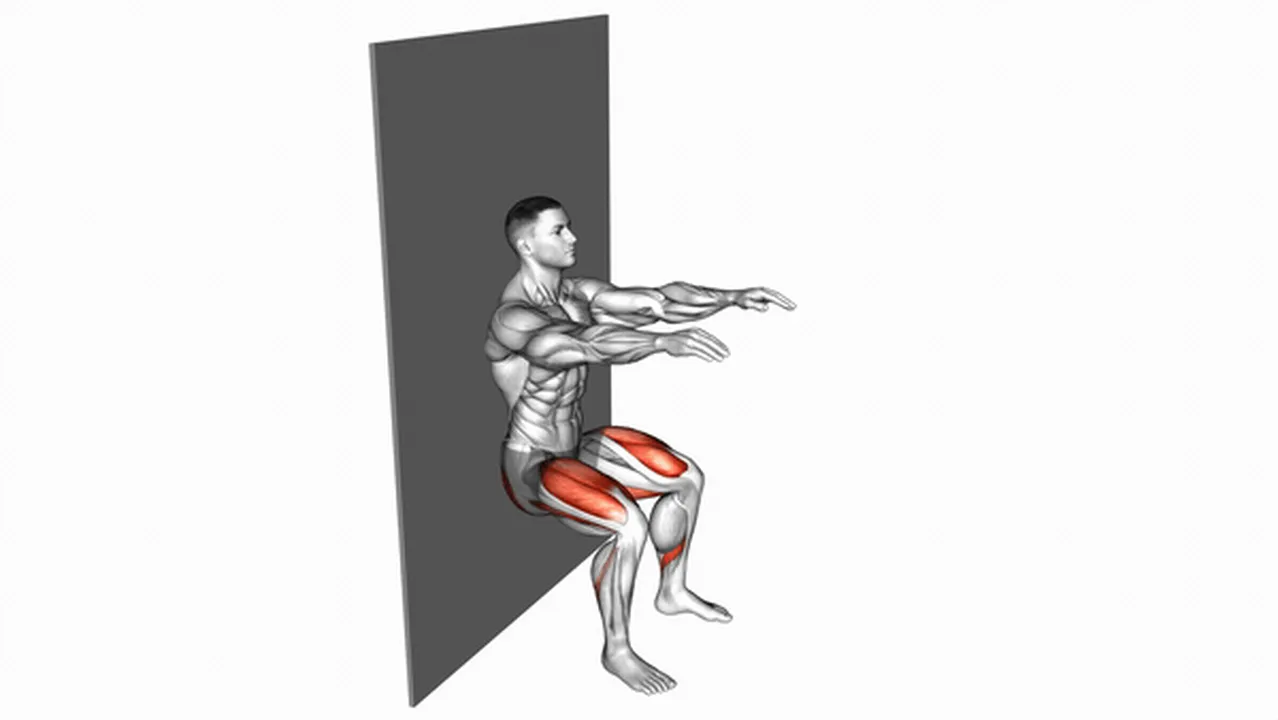
- Wall Sits: Leaning against a wall with knees bent at a 90-degree angle, holding the position for a set duration.
- Planks: Maintaining a rigid, straight-body position supported by the forearms or hands.
- Glute Bridges (Static Hold): Lifting the hips off the floor and holding the tension in the glutes and core.
The mechanism behind this efficacy is thought to involve a “muscle pump” effect and a significant rebound in blood flow during the relaxation phase. When a muscle is held under tension, it temporarily restricts blood flow; when the tension is released, a surge of blood rushes into the vessels, potentially enhancing the release of vasodilating substances like nitric oxide. For those looking for a high-impact, low-equipment intervention, isometric training offers a scientifically backed pathway to rapid blood pressure modulation.
Aerobic Activity: The Foundation of Vascular Resilience
Despite the rising prominence of isometric training, aerobic exercise remains an indispensable tool for managing hypertension. The American Heart Association (AHA) continues to emphasize aerobic activity as a primary lifestyle intervention for cardiovascular health. Aerobic exercise, such as brisk walking, swimming, or cycling, works by improving the efficiency of the heart muscle itself.

When we engage in steady-state aerobic activity, we increase our stroke volume—the amount of blood the heart pumps with each beat. As the heart becomes a more efficient pump, it does not need to work as hard to maintain circulation, which naturally lowers the baseline pressure in the arteries. Aerobic exercise helps manage weight and improve insulin sensitivity, both of which are critical indirect factors in controlling blood pressure.
For the purposes of achieving a 24-hour reduction in blood pressure, the intensity of the aerobic session matters. Moderate-intensity continuous training (MICT) is generally recommended for most individuals. However, some research suggests that High-Intensity Interval Training (HIIT)—short bursts of intense effort followed by recovery periods—may trigger a more pronounced post-exercise hypotensive response due to the greater metabolic and autonomic stress placed on the body. That said, HIIT should only be attempted under medical supervision for those with existing hypertension.
Resistance Training and the Multi-Faceted Approach
A comprehensive approach to blood pressure management should also incorporate dynamic resistance training, commonly known as weightlifting. While the relationship between heavy lifting and blood pressure is complex—as lifting very heavy weights can cause acute, temporary spikes in pressure—moderate resistance training is highly beneficial for long-term management.
Resistance training helps build lean muscle mass, which increases the body’s metabolic rate and improves glucose metabolism. Improved metabolic health is closely linked to better vascular health. The key for hypertensive individuals is to focus on higher repetitions with moderate weights rather than low repetitions with maximal loads. This approach minimizes the extreme intra-abdominal pressure that can cause dangerous spikes in blood pressure during the lift, while still providing the systemic benefits of muscle strengthening.
The most effective protocols often combine these modalities. A “hybrid” approach—incorporating aerobic work for heart efficiency, isometric holds for vascular tone, and moderate resistance training for metabolic health—provides the most robust defense against the progression of hypertension.
Implementing a Safe Exercise Protocol
While the benefits of exercise are clear, it is imperative that individuals with hypertension approach new physical regimens with caution. Rapidly increasing intensity can lead to dangerous spikes in blood pressure if not managed correctly. Safety should always be the priority.
Before starting any new exercise program, consult with a healthcare professional, especially if you are currently taking antihypertensive medication. Some medications, such as beta-blockers, can affect your heart rate response to exercise, meaning traditional metrics like “target heart rate” may not be accurate for you.
Practical steps for a safe implementation include:
- Start Low and Go Slow: Begin with low-intensity activities, such as walking, and gradually increase duration and intensity over several weeks.
- Monitor Your Response: Pay close attention to how you feel. If you experience dizziness, lightheadedness, chest pain, or shortness of breath, stop immediately and contact your physician.
- Focus on Breathing: During isometric exercises or resistance training, avoid the “Valsalva maneuver”—the tendency to hold your breath while straining. Holding your breath can cause a sharp, dangerous increase in blood pressure. Instead, practice continuous, rhythmic breathing.
- Consistency Over Intensity: While a single session can trigger a 24-hour drop, the long-term benefits are driven by consistency. Aim for at least 150 minutes of moderate-intensity aerobic activity per week, as recommended by global health guidelines.
Key Takeaways for Blood Pressure Management
| Exercise Type | Primary Mechanism | Primary Benefit |
|---|---|---|
| Isometric (e.g., Wall Sits) | Vascular tension and rebound dilation | Highly effective acute reduction |
| Aerobic (e.g., Walking) | Increased stroke volume & efficiency | Long-term cardiovascular resilience |
| Resistance (Moderate weights) | Improved metabolic/glucose health | Sustained weight and metabolic control |
Beyond the Gym: A Holistic Perspective
It is important to view exercise as one component of a larger, integrated strategy. While exercise can significantly impact blood pressure, its effects are amplified when paired with other evidence-based lifestyle modifications. The DASH (Dietary Approaches to Stop Hypertension) diet, which emphasizes fruits, vegetables, whole grains, and lean proteins while reducing sodium, remains one of the most effective nutritional interventions for blood pressure control.
managing chronic stress and ensuring adequate sleep are non-negotiable factors. Sleep apnea, for instance, is a frequently overlooked contributor to resistant hypertension. Addressing these underlying physiological stressors creates a more receptive environment for the benefits of exercise to take hold.
the science of post-exercise hypotension offers a compelling reason to view movement not just as a tool for fitness, but as a precision intervention for vascular health. Whether through the targeted tension of an isometric wall sit or the steady rhythm of a morning walk, the ability to influence our blood pressure through movement is a powerful, scientifically validated reality.
As clinical research continues to evolve, we expect further refinements in how specific exercise prescriptions are tailored to individual cardiovascular profiles. We will continue to monitor updates from major health organizations and peer-reviewed studies regarding new developments in hypertension management.
What are your experiences with using exercise to manage your health? Have you noticed changes in your readings after specific activities? Share your thoughts in the comments below and share this article with someone who might find it helpful.
Related reading
- Durvalumab Plus Chemotherapy Shows Long-Term Survival Benefit in TOPAZ-1 Trial
- Chiba Lotte Marines Pitcher Naoya Masuda Reaches Historic 250 Saves in NPB
- RAP vs. IBR: What Your New Student Loan Bill Actually Costs (daybreakwire.com)
- Titan: The Safe But Freezing Moon Where Humans Could Actually Fly (time.news)