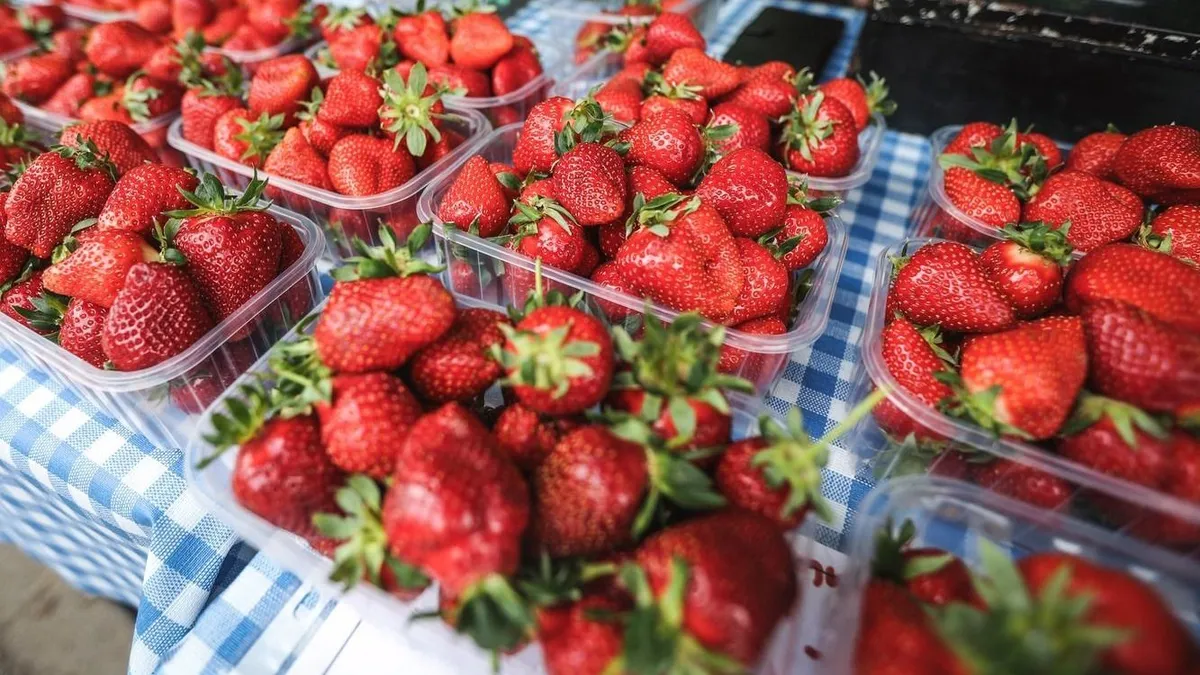
As the European agricultural sector navigates a complex season of shifting climate patterns and market volatility, consumers in Hungary are observing significant fluctuations in the pricing of seasonal produce. The current state of the Hungarian strawberry market has become a focal point for both industry analysts and household shoppers, as a convergence of regional supply chain pressures and environmental factors alters the availability and cost of these popular soft fruits.
For many, the accessibility of fresh, locally grown produce is a hallmark of the early summer months. However, recent reports from agricultural market monitors indicate that the retail landscape for berries is undergoing a period of notable transition. While shoppers may be experiencing lower price points at certain retail outlets, producers are facing mounting challenges in maintaining margins amidst broader economic pressures on the food supply chain.
Market Dynamics and Supply Chain Pressures
The price of strawberries is currently subject to intense downward pressure, a phenomenon that often benefits the end consumer but complicates the financial planning for local farmers. This volatility is not occurring in a vacuum; it is part of a larger, interconnected European market where the success of one region’s harvest directly impacts the pricing strategies of neighboring countries. The European Commission’s market observatories provide insight into how production costs and logistical constraints continue to influence the final retail price of fresh horticultural products across the continent.
A significant factor influencing the regional supply chain is the impact of late-season frost events on neighboring agricultural powerhouses, such as Poland. When major producers in Central Europe face weather-related yield reductions, the resulting supply gap often triggers a recalibration of market prices for bogyósgyümölcs—or berry fruits—across the region. These shifts demonstrate how sensitive the internal market is to localized climate events, which can ripple through distribution networks, affecting everything from wholesale auctions to local farmers’ markets.
Consumer Perspectives: Beyond the Strawberry
While strawberries have captured public attention due to their price volatility, other produce items are experiencing contrasting trends. For instance, the market for certain vegetables, such as cherry tomatoes, has seen them transition into higher-value categories, sometimes described by market analysts as luxury items due to their current retail price points. This divergence highlights a broader trend: consumers are navigating a market where some seasonal staples become more affordable while others remain subject to the inflationary pressures of modern agricultural production and transport costs.
According to the Hungarian Central Statistical Office (KSH), which tracks consumer price indices, the cost of food remains a significant component of household expenditure. As market conditions evolve throughout the summer, the availability of diverse produce will likely continue to be dictated by the interplay between domestic harvest yields and the cost-effectiveness of importing high-demand items from the broader European Union agricultural zone.
What This Means for the Future of Regional Agriculture
The current situation serves as a reminder of the fragility of the agricultural cycle. Producers are increasingly turning to technology to mitigate the risks posed by unpredictable weather, such as the frost events that recently impacted Polish plantations. Investments in climate-resilient farming techniques and protected cultivation methods are becoming essential for maintaining stability in the supply of soft fruits.
For the average shopper, the current market climate necessitates a more informed approach to grocery spending. Monitoring seasonal availability and understanding the factors that drive price changes can help households better manage their food budgets. As the season progresses, market observers will be looking for signs of stabilization in the pricing of berries and other high-demand horticultural products.
The next major update regarding regional agricultural production and retail price trends is expected in the upcoming monthly reports from national agricultural chambers and European market monitoring bodies. We will continue to track these developments as they unfold throughout the summer harvest season. We invite our readers to share their own observations on local produce pricing in the comments section below.
- Marc-Marie over tolerantie en B&B Vol Liefde op YouTube
- New York Extends Pied-à-Terre Tax Deadline: What Wealthy Homeowners Need to Know
- Major Bank Household Loans Surge in July Despite Strict Regulations (archyde.com)
- Twin Falls Shooting at In-N-Out Burger Leaves Multiple Dead and Wounded (archyworldys.com)