
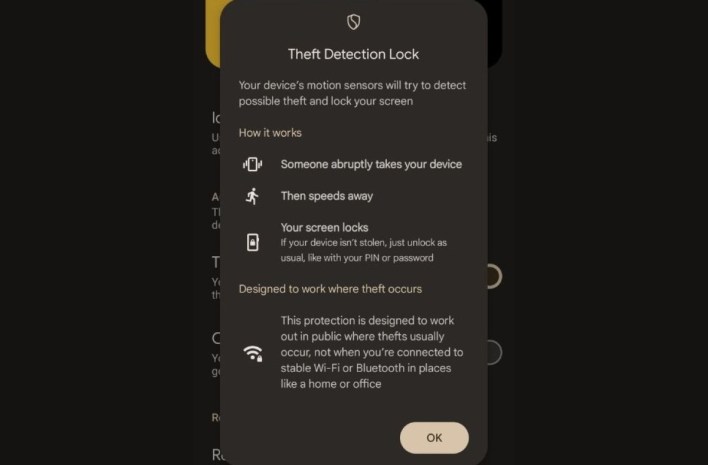
SAN FRANCISCO — Apple is preparing to introduce a new security feature that could significantly reduce smartphone theft by automatically locking iPhones when removed from secure environments, according to multiple industry reports. This development comes as smartphone theft remains a persistent issue in urban areas worldwide, with London police reporting a theft every eight minutes in some districts (Metropolitan Police, 2023). While Apple has long offered Find My iPhone and other security tools, this potential new feature represents a more proactive approach to theft prevention, potentially drawing inspiration from similar Android capabilities.
The proposed feature would allow iPhones to detect when they’re being forcibly removed from secure locations—such as homes or offices—and automatically trigger a lockdown mode. This would render the device unusable without the owner’s authentication, making it far less attractive to thieves. The technology appears to build upon Apple’s existing Unlock with Apple Watch and Secure Enclave security features while adding contextual awareness.
While Apple has not officially confirmed this development, multiple credible sources suggest the company is in advanced testing phases. The feature may arrive as part of an upcoming iOS update, potentially iOS 18, which is expected in the fall of 2024. This timing would align with Apple’s typical release cycle and the company’s history of introducing significant security enhancements through software updates.
How the New Anti-Theft Feature Would Work
Based on reports from technology analysts and industry insiders, the new feature would likely operate through a combination of:
- Environmental sensors: Using the iPhone’s existing sensors to detect unusual movement patterns or forced removal from secure locations
- Geofencing integration: Expanding upon Apple’s existing geofencing capabilities to create “secure zones” where the device remains locked
- Biometric verification: Requiring additional authentication when the device detects potential theft scenarios
- Cloud synchronization: Alerting Apple’s servers when suspicious activity is detected, potentially triggering remote lockdown
This approach differs from Apple’s current Activation Lock feature, which prevents iPhones from being reactivated after being erased. Instead, this new system would aim to prevent theft in the first place by making the device immediately unusable when removed from secure environments.
Inspiration from Android’s Theft Deterrence Features
While Apple has historically maintained its own approach to mobile security, this development appears to be influenced by similar features already available on Android devices. Google’s Find My Device service includes options like “Lock & Erase” that can be triggered remotely, and some Android manufacturers have implemented physical theft detection through sensors, and gyroscopes.
However, Apple’s implementation would likely be more sophisticated, leveraging its ecosystem integration and hardware capabilities. The company’s privacy-focused approach suggests this feature would include strong user controls to prevent false positives, such as:
- Customizable secure zones (home, office, etc.)
- Adjustable sensitivity settings
- Clear visual and audio alerts before lockdown
- Local processing to minimize cloud dependency
The Growing Problem of Smartphone Theft
Smartphone theft has become a significant concern in many urban areas, with thieves increasingly targeting high-value devices like iPhones. According to the Smartphone Theft Research Center, iPhones account for approximately 40% of all smartphone thefts in major cities, despite representing only about 25% of the global smartphone market. The average iPhone theft results in a loss of $800-$1,200 per device, not including potential data breaches or identity theft risks.
In London alone, police report that a smartphone is stolen every eight minutes, with iPhones being particularly targeted due to their resale value. The city’s Metropolitan Police have noted that these thefts often occur in crowded areas where pickpocketing is common, making proactive security measures particularly valuable (Metropolitan Police Crime Statistics, 2023).
Apple’s potential new feature comes at an opportune time, as consumers increasingly demand better protection for their expensive devices. The company has already demonstrated its commitment to security with features like:
- Face ID and Touch ID biometric authentication
- Secure Enclave chip for sensitive data protection
- Find My iPhone with remote wipe capabilities
- Regular security updates and bug fixes
What This Means for iPhone Users
If implemented, this new anti-theft feature could provide several benefits for iPhone users:
1. Enhanced Physical Security
The most immediate benefit would be reduced risk of theft. By automatically locking when removed from secure locations, the feature could deter opportunistic thieves who rely on quick grabs in crowded areas. This would be particularly valuable for commuters, travelers, and anyone who frequently carries their phone in public spaces.
2. Improved Peace of Mind
Users would gain greater confidence that their device—and the sensitive data it contains—would remain secure even if physically stolen. The automatic lockdown would make the device far less valuable to thieves, potentially reducing the incentive for theft in the first place.
3. Potential Insurance Benefits
Some mobile carriers and insurance providers may offer reduced premiums for users with devices equipped with advanced anti-theft features. This could make the technology more attractive to cost-conscious consumers while providing financial incentives for adoption.
4. Ecosystem Integration
As with many Apple features, this would likely integrate seamlessly with other services like:
- Apple Watch unlocking capabilities
- iCloud Keychain for password management
- Family Sharing for multi-device households
- Apple Pay for secure transactions
Potential Challenges and Considerations
While the proposed feature offers significant benefits, there are potential challenges that Apple would need to address:
1. False Positives
Any automatic security feature risks triggering false alarms. For example, a user might accidentally trigger the lockdown if they remove their phone from their bag too quickly. Apple would need to implement sophisticated algorithms to distinguish between legitimate theft attempts and normal usage patterns.
2. Battery Impact
Continuous monitoring of environmental conditions could potentially impact battery life. Apple would need to optimize the feature to run efficiently in the background without significantly reducing battery longevity.

3. User Education
For the feature to be effective, users would need to understand how to properly configure and use it. Apple would likely need to provide clear instructions and potentially update its user interface to accommodate the new security settings.
4. Legal Considerations
There may be legal questions about how law enforcement could access devices that have automatically locked due to suspected theft. Apple would need to ensure the feature complies with all relevant laws while still providing tools for authorities to recover stolen devices.
How This Compares to Current Anti-Theft Measures
While Apple’s current security offerings are robust, the proposed feature would represent a significant evolution in how iPhones protect against theft:

| Current Apple Security Features | Potential New Anti-Theft Feature |
|---|---|
| Find My iPhone (remote tracking and wipe) | Automatic physical lockdown when removed from secure locations |
| Activation Lock (prevents reactivation) | Immediate device lockdown to deter theft |
| Face ID/Touch ID (biometric authentication) | Context-aware authentication requirements |
| Manual reporting of theft | Automatic detection and response |
| Requires user action to activate security | Proactive security that activates automatically |
What’s Next for Apple’s Anti-Theft Development
While Apple has not officially announced this feature, industry analysts expect it to be part of an upcoming iOS update. The most likely timeline would be:
- Beta testing: Expected to begin in late spring or early summer 2024
- Public beta: Likely available in late summer 2024
- Official release: Potential inclusion in iOS 18, scheduled for fall 2024
Apple typically provides several months of beta testing before major iOS releases, allowing developers and users to test new features. The company would likely use this period to gather feedback and refine the anti-theft implementation before the official launch.
For users eager to try the feature, Apple’s iOS Developer Program provides access to beta software. However, these builds are intended for developers and may contain unfinished features or bugs.
Key Takeaways
- Proactive security: The feature would represent a shift from reactive (tracking/wiping) to proactive (preventing) theft protection
- Ecosystem integration: Would work seamlessly with existing Apple services like Find My, Apple Watch, and iCloud
- Potential impact: Could significantly reduce iPhone theft rates in urban areas
- User control: Likely to include customizable settings to prevent false positives
- Timing: Expected in iOS 18 (fall 2024), following beta testing phases
- Industry significance: Could influence how other smartphone manufacturers approach physical security
How to Prepare for the New Feature
While the exact implementation details remain unconfirmed, iPhone users can prepare by:
- Ensuring their current security settings are properly configured in iPhone Settings
- Keeping their devices updated to the latest iOS version
- Enabling Find My iPhone and Activation Lock
- Considering additional physical security measures like:
- Using a AirTag for tracking
- Carrying phones in secure pockets or bags
- Avoiding public charging stations where devices might be left unattended
Final Thoughts and What to Watch For
Apple’s potential new anti-theft feature represents an exciting development in mobile security, potentially setting a new standard for how smartphones protect against physical theft. While details remain under wraps, the feature appears designed to address one of the most persistent challenges facing iPhone users today.
As we approach the expected release window in late 2024, World Today Journal will continue to monitor developments and provide updates on:
- Official confirmation from Apple
- Beta testing availability
- Final implementation details
- Potential impact on theft statistics
- User feedback and adoption rates
In the meantime, iPhone users would be wise to maintain their current security practices while staying informed about this potential game-changing feature. The combination of Apple’s hardware capabilities and software expertise could result in one of the most effective anti-theft solutions yet for mobile devices.
We encourage our readers to share their thoughts on this potential development in the comments below. Would you use this feature if it becomes available? What security measures do you currently use to protect your iPhone? Your experiences can help shape how Apple refines this important technology.
For the latest updates on Apple’s security features and iOS developments, subscribe to World Today Journal’s Tech newsletter and follow our coverage of all things Apple.