
The intersection of sports culture, public order, and social discourse remains a flashpoint for policymakers in France. Recently, comments made by Maud Bregeon, a prominent member of the Renaissance party and spokesperson for the French government, have reignited a national conversation regarding youth behavior and the parental responsibility gap. During a series of public interventions, Bregeon suggested that France faces a profound “education problem” regarding a specific segment of the country’s youth, a sentiment that has resonated across the political spectrum as officials grapple with recurrent episodes of urban disorder.
This dialogue follows recent instances of civil unrest linked to high-profile sporting events, which have frequently tested the limits of local law enforcement. While the passion of fans is a hallmark of European football, the transition from celebration to confrontation has raised alarm bells in the halls of the Élysée Palace and the Ministry of the Interior. As we examine the broader implications of these events, it is essential to distinguish between the actions of a violent minority and the general public, while addressing the underlying societal tensions that Bregeon and other officials are attempting to articulate.
The Intersection of Public Policy and Social Responsibility
Maud Bregeon’s assessment—that the state is witnessing a failure in the upbringing of certain youth—highlights a shifting focus in French political rhetoric. Rather than viewing incidents of public disorder purely as a failure of policing, the government is increasingly framing these events as a symptom of a deeper, systemic breakdown in familial authority and civic education. According to the French Government’s official portal, policy initiatives are currently being reviewed to bolster parental accountability and school-based citizenship programs. For those watching the French economic and social landscape, this shift is significant. it suggests that the state is prepared to intervene more directly in the social fabric to maintain the stability required for a functioning marketplace and public life.
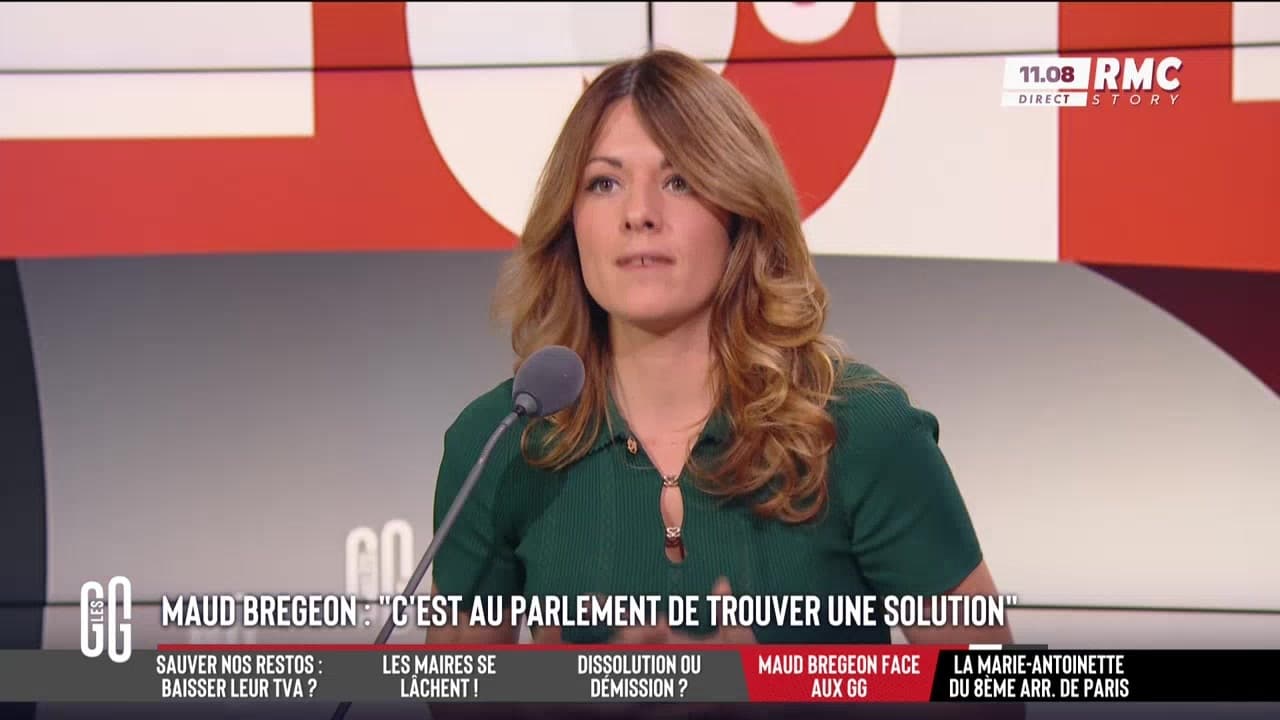
The challenge for the administration is balancing the need for firm law enforcement with the long-term goal of social integration. In many urban centers, the lack of economic mobility for young men in marginalized neighborhoods has been a long-standing issue, one that economists often cite as a drag on national productivity. By focusing on “education,” Bregeon is leaning into a narrative that emphasizes individual and parental responsibility, a move that is likely to see further legislative support as the government seeks to curb the costs associated with repeated urban policing efforts.
Data and Public Order: Analyzing the Trends
To understand the gravity of the situation, one must look at the data provided by the Ministry of the Interior. Large-scale events, particularly those involving the Paris Saint-Germain (PSG) football club, have historically acted as catalysts for significant security operations. Following major victories, the French Ministry of the Interior regularly deploys thousands of police officers to manage crowds. In past instances of civil disorder surrounding such events, authorities have reported hundreds of arrests, citing charges ranging from property damage to assault on law enforcement officers.
It is crucial, however, to remain objective when interpreting these statistics. While headlines often focus on the raw number of interpellations—which can reach into the hundreds during peak unrest—these figures represent a snapshot of a highly complex environment. The government’s data suggests that the surge in arrests during such celebrations is often concentrated in specific zones, pointing to a need for more localized, community-based solutions rather than blanket security measures. The National Police continues to emphasize its commitment to maintaining order, but the frequency of these events has led to a growing demand for a more sustainable strategy from the executive branch.
What Lies Ahead: Governance and Civil Stability
The path forward for the French government involves a dual-track approach: immediate security containment and long-term socio-educational reform. As Maud Bregeon and her colleagues continue to shape the narrative around the “education of our sons,” the public can expect to see more stringent enforcement of existing laws regarding parental liability. This includes potential legislative reviews of how families are held responsible for the actions of minors during civil disturbances, a topic that is expected to be debated in the National Assembly in the coming legislative sessions.
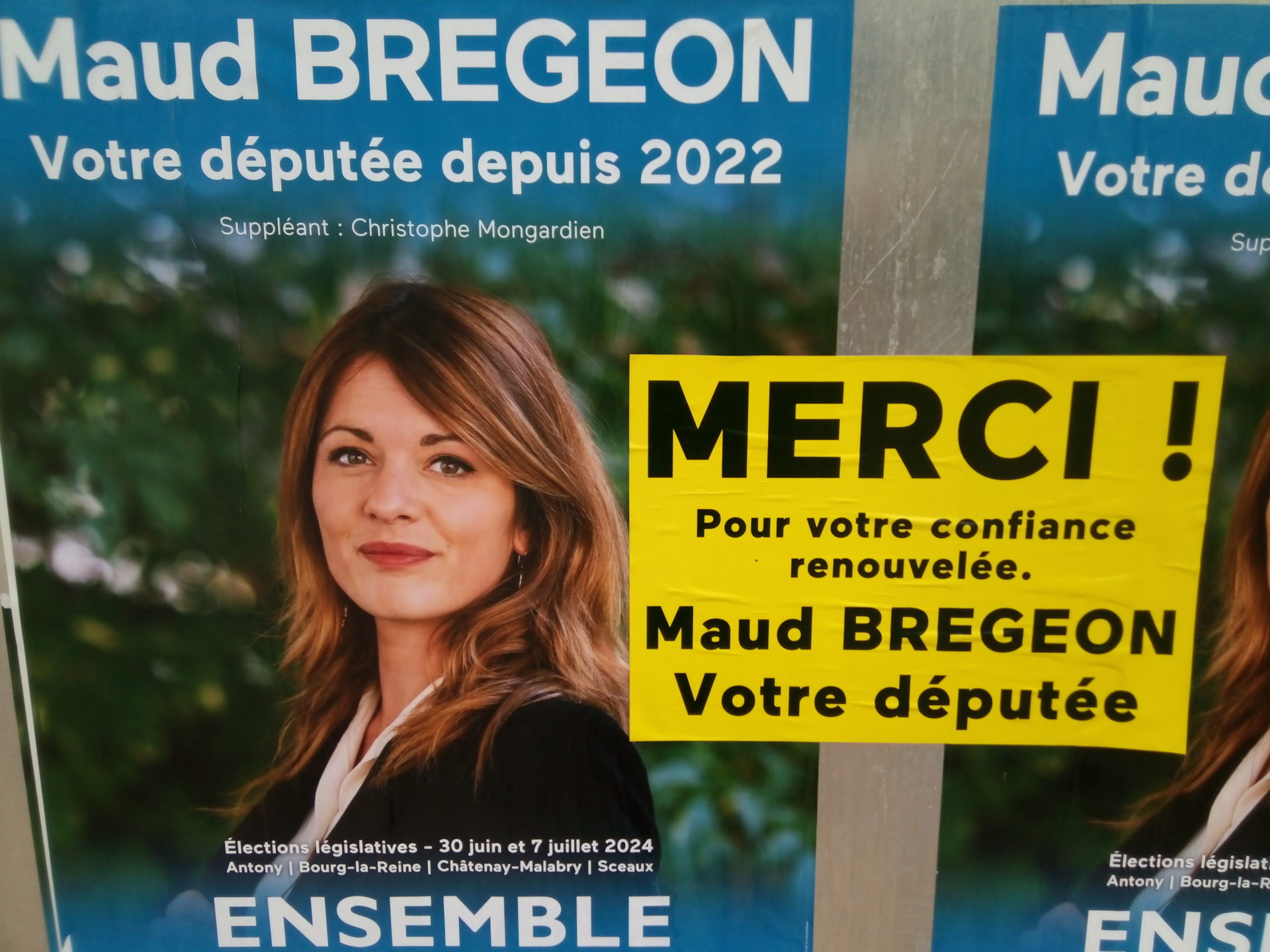
For international observers and investors, the stability of the French urban environment is a key metric. A country that can effectively manage its social challenges is better positioned to foster a healthy climate for entrepreneurship and foreign investment. The current discourse, while contentious, is an attempt to address a structural issue that has persisted for decades. The next official update regarding these policy shifts is expected following the upcoming cabinet meetings, where the Minister of the Interior will present the latest security assessments to the President.
Key Considerations for Stakeholders
- Parental Accountability: Increased scrutiny on the role of families in preventing youth delinquency.
- Law Enforcement Strategy: Moving toward predictive and localized policing models during high-risk sporting events.
- Socio-Economic Integration: A continued focus on education and employment programs to offer alternatives to youth in vulnerable urban areas.
As the conversation evolves, the balance between protecting civil liberties and ensuring public order will remain the defining challenge for the current administration. We will continue to monitor these developments closely, focusing on the legislative outcomes and the practical impact of these policies on the ground. We invite our readers to join the discussion below—what role do you believe education and family structures play in addressing public order in your own country?
Dr. Olivia Bennett is the Chief Editor for Business at World Today Journal. With over 18 years of experience in economic policy and financial analysis, she provides a global perspective on the trends shaping our world.
Related reading