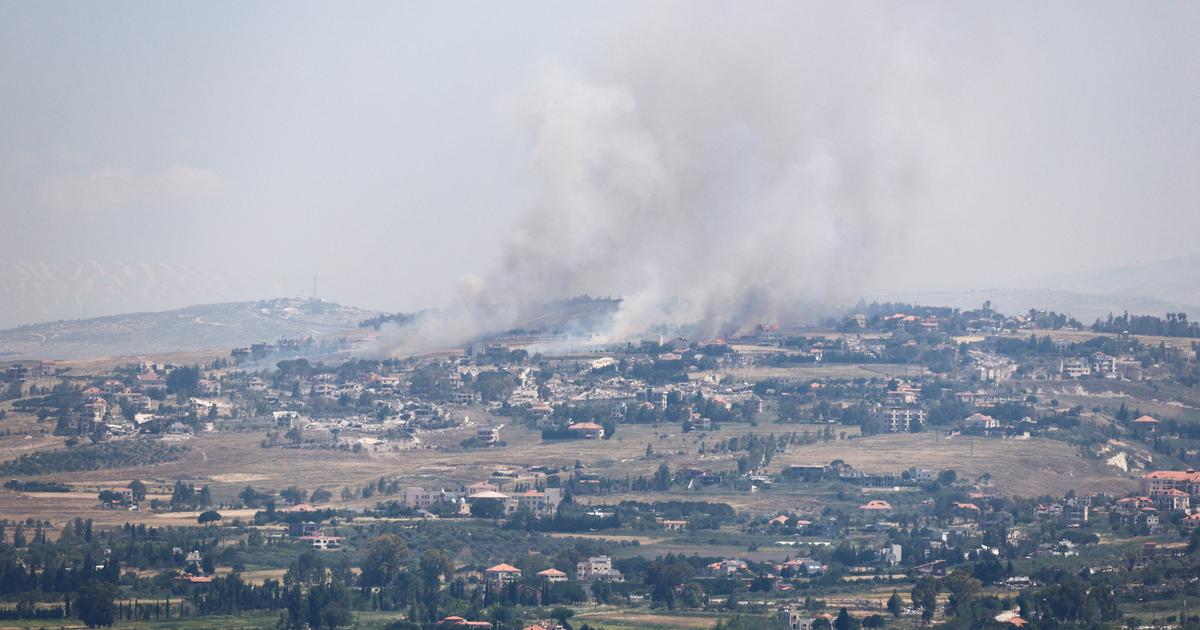
TEHRAN — Tensions in the Middle East have reached a critical juncture as reports emerge regarding the status of diplomatic channels between Tehran and Washington. Following recent regional escalations, Notice indications that the current climate has placed significant strain on the fragile framework of communication between the two nations.
The situation centers on the reported suspension of diplomatic engagement, a move attributed by regional observers to ongoing military operations in Lebanon and the alleged failure of established de-escalation agreements. As international observers monitor the Middle East security landscape, the potential for a complete breakdown in high-level talks remains a primary concern for global stakeholders seeking to prevent further regional instability.
Context of the Diplomatic Standoff
At the heart of the current friction is the status of ceasefire understandings, which have been under intense pressure due to continuous military activity across multiple borders. The rhetoric emerging from Tehran suggests that the decision to pause negotiations is a direct response to the perceived inability of international mediators to curb the intensity of combat operations in Lebanon.

For international observers, these developments highlight the volatility of the current diplomatic environment. The U.S. Department of State has historically maintained that communication channels are essential for managing regional crises, yet the efficacy of these channels appears to be diminishing as military objectives take precedence over political resolution.
Regional Impact and Security Concerns
The impact of this diplomatic freeze extends far beyond the immediate parties involved. With regional actors closely watching the interaction between Iran and the United States, any cessation of dialogue risks emboldening various proxy groups and increasing the frequency of cross-border incidents. The ongoing military campaign has created a humanitarian situation of increasing concern, complicating efforts by international aid organizations to provide necessary support to civilians displaced by the violence.
Analysts suggest that the suspension of these negotiations, if sustained, could lead to a strategic vacuum. Without the “pressure valve” of diplomatic communication, the risk of miscalculation increases, potentially drawing additional regional powers into a direct confrontation. The international community, including members of the United Nations Security Council, continues to urge all parties to prioritize the protection of non-combatants and adhere to international humanitarian law.
Key Factors Influencing the Current Climate
- Military Escalation: The intensification of operations in Lebanon has shifted the focus from diplomatic discourse to tactical maneuvering.
- Ceasefire Viability: Questions regarding the adherence to previous understandings have weakened the trust necessary for sustained negotiation.
- Regional Alliances: The involvement of various regional stakeholders creates a complex web of interests that complicates bilateral talks between Washington and Tehran.
- Humanitarian Cost: The rising number of civilian casualties remains a primary driver of the increasingly hostile rhetoric between the two nations.
What Happens Next?
As of June 1, 2026, there is no confirmed schedule for the resumption of high-level talks. The international community is awaiting further statements from both the Iranian Ministry of Foreign Affairs and the U.S. State Department to determine if these diplomatic lines are permanently severed or merely temporarily paused to signal political dissatisfaction.

The next major checkpoint for this situation will likely be the upcoming session of the United Nations Security Council, where member states are expected to address the deteriorating security situation in the Levant and the status of regional ceasefire mandates. World Today Journal will continue to monitor these developments as official reports are released.
What are your thoughts on the current diplomatic trajectory in the Middle East? Share your perspective in the comments section below and join the conversation on our social media platforms.