The recent rescue of villagers from a submerged cave system in Laos has drawn international attention to the harrowing realities of cave exploration and the unpredictable nature of monsoon-driven flooding. The incident, which saw individuals trapped for over a week, highlights the significant risks posed by environmental hazards in remote, cavernous regions where communication and access are severely restricted.
For those monitoring the situation, the successful outcome for five individuals—who eventually managed to navigate their way out of the flooded environment—serves as a reminder of the resilience required in survival scenarios. While the rescue efforts were bolstered by fluctuating water levels, the event underscores the necessity for specialized search and rescue infrastructure in regions prone to seasonal flooding, as reported by global news agencies tracking the humanitarian and emergency response efforts in Southeast Asia.
The Challenges of Cave Rescue Operations
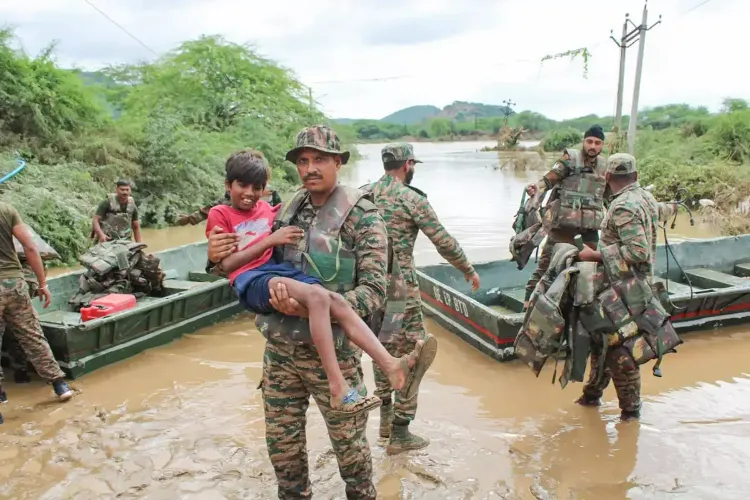
Cave rescue operations are among the most complex challenges faced by emergency responders. The combination of complete darkness, narrow subterranean passages, and the constant threat of rising water levels creates a high-stakes environment where every decision must be calculated. In the case of the Laos incident, the situation was compounded by the duration of the entrapment, with victims surviving on limited resources while waiting for conditions to improve.
Experts in cave exploration and emergency management often point to the critical role of geological understanding when attempting to reach stranded individuals. According to guidance from the National Speleological Society, the primary factor in any cave-related emergency is the stability of the water table, which can shift rapidly during rainy seasons, turning accessible caverns into death traps within hours.
Environmental Risks and Monsoon Impact
Laos, like much of Southeast Asia, experiences a distinct monsoon season that significantly alters the landscape. The geography of the region, characterized by extensive limestone karst formations, is particularly susceptible to rapid flooding. When heavy rainfall occurs, water is funneled into these subterranean networks, often catching explorers or local residents off guard.
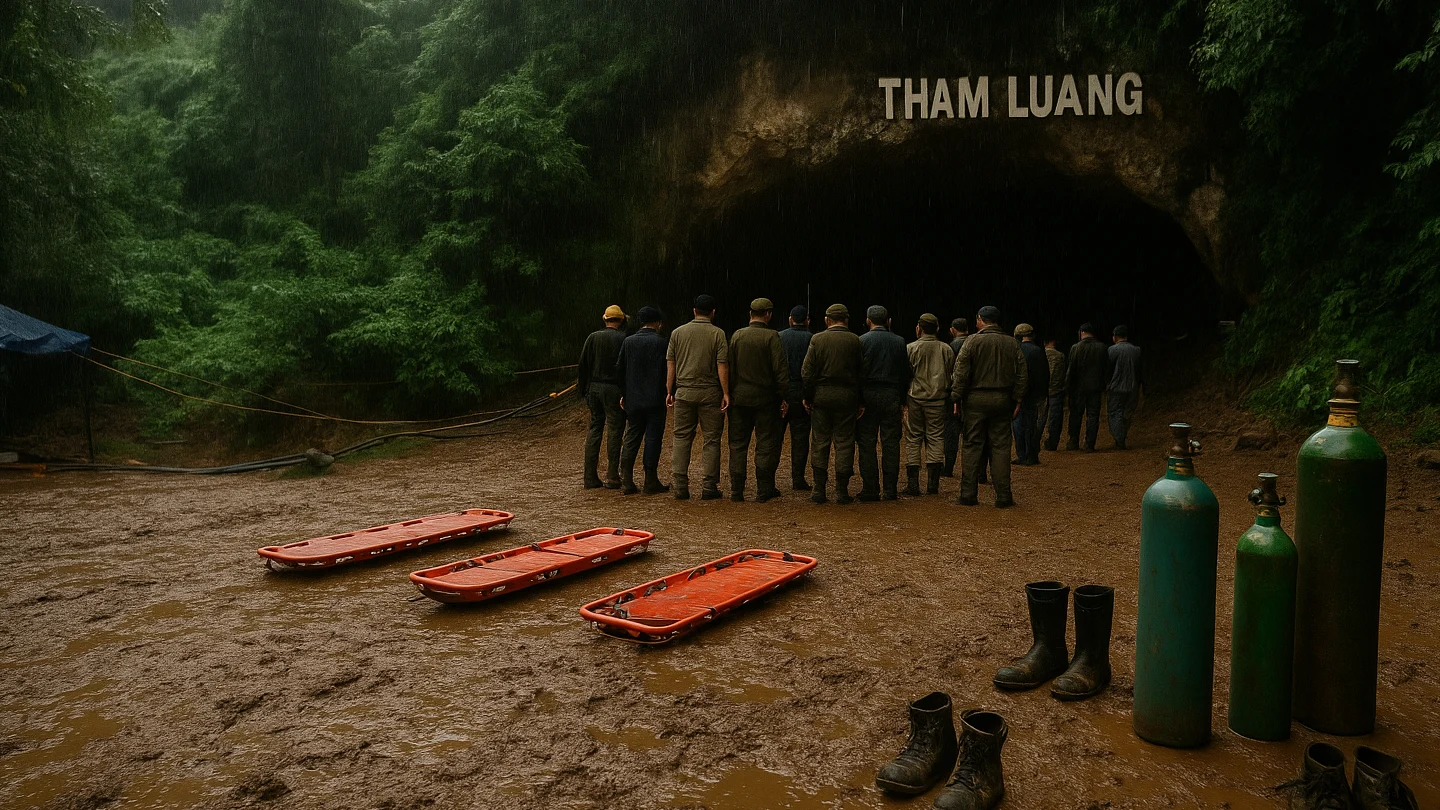
The recent rescue operation was heavily dependent on the natural recession of water levels. As the water subsided, responders were able to gain greater access to the affected areas, facilitating the recovery of those who were trapped. The incident has prompted discussions regarding the implementation of early warning systems for rural communities living near or working in proximity to high-risk cave systems, ensuring that local populations have the information needed to avoid such life-threatening situations.
Safety and Preparedness: A Global Perspective
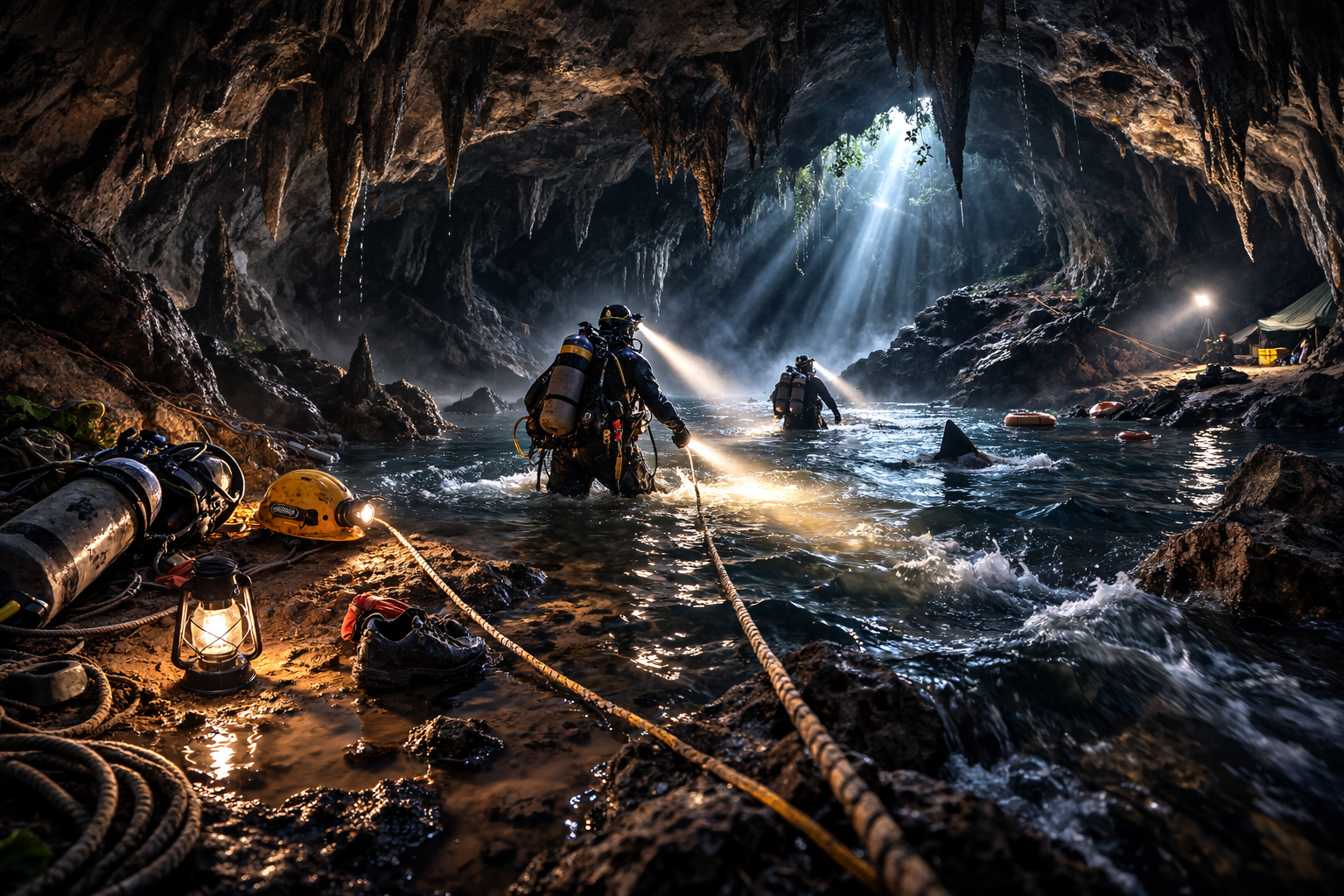
As the international community tracks these developments, the focus remains on the importance of safety protocols. Whether for professional researchers or local inhabitants, the risk of becoming trapped in a karst system requires a comprehensive approach to safety. This includes monitoring meteorological data, maintaining clear communication lines, and ensuring that emergency responders are equipped with the specialized gear necessary for underwater and confined-space operations.
The resilience shown by the survivors in this instance is commendable, yet it serves as a stark reminder of the limitations of human endurance in extreme conditions. Moving forward, the focus for authorities in Laos and surrounding nations will likely be on bolstering the response capabilities of regional emergency teams and increasing awareness about the dangers associated with cave exploration during periods of high precipitation, as noted in assessments by international disaster risk reduction organizations.
Next Steps and Official Updates
At this time, authorities in the region are continuing to monitor the status of the area to ensure no further individuals remain at risk. Official reports are expected to follow as the investigation into the circumstances surrounding the initial entry into the cave concludes. For families and concerned observers, updates on the health and recovery of the survivors are expected to be released through regional government channels in the coming days.
We will continue to follow this story as more verified information becomes available. If you have reflections on the importance of emergency preparedness or wish to share your thoughts on the challenges of rural rescue operations, please engage with our community in the comments section below. We encourage our readers to share this report to help raise awareness regarding the critical importance of safety in subterranean environments.
Related reading