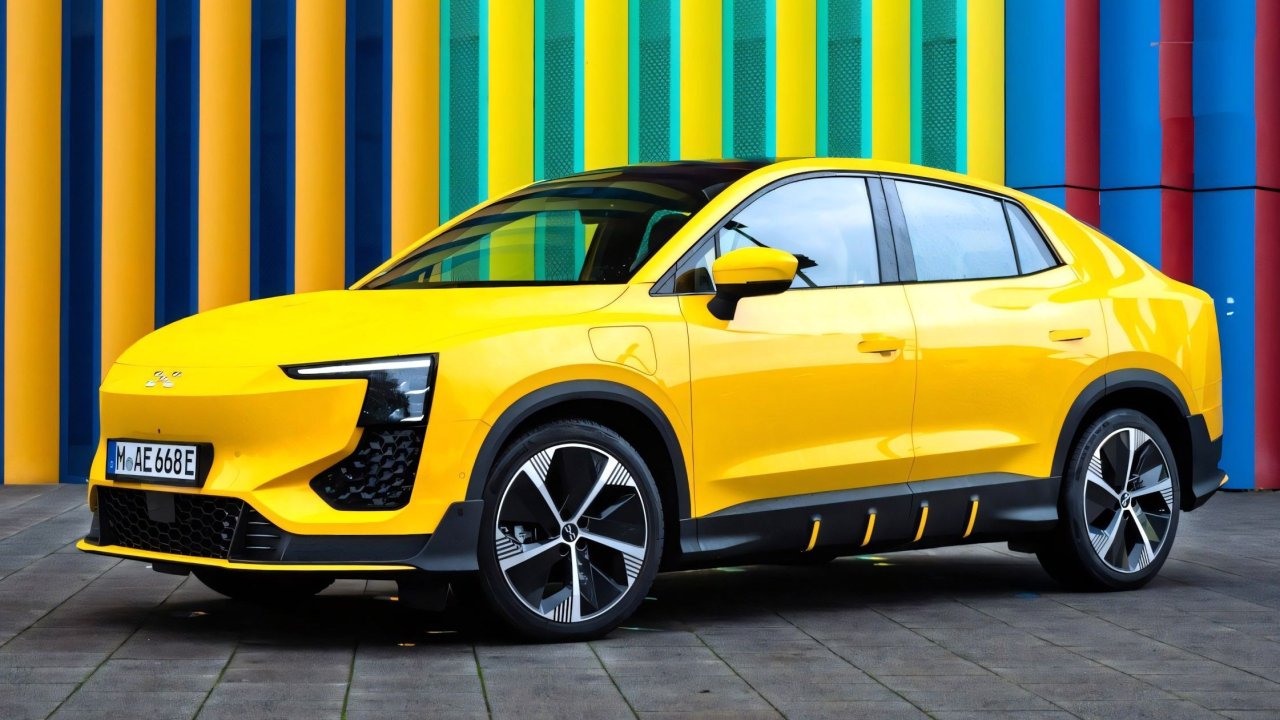
The global automotive landscape is currently undergoing a structural transformation, with electric vehicles (EVs) at the forefront of this shift. However, as Chinese manufacturers accelerate their expansion into the European market, a complex economic reality is beginning to emerge for consumers and investors alike. While the influx of competitively priced, tech-forward models has undeniably increased consumer choice, questions regarding long-term asset depreciation and the sustainability of international growth strategies are moving to the center of the debate.
For European car buyers, the appeal of Chinese-made EVs—often characterized by aggressive pricing and sophisticated software integration—is clear. Yet, financial analysts are increasingly pointing to a “depreciation trap.” Unlike established legacy automakers with deep-rooted dealer networks and robust secondary markets, many emerging Chinese brands face challenges in maintaining residual values. This phenomenon, which sees certain new-energy vehicles losing value at a rate significantly higher than their European or Japanese counterparts, is forcing a re-evaluation of the total cost of ownership for prospective buyers.
The Depreciation Challenge in the European Secondary Market
Residual value is the cornerstone of automotive finance, influencing everything from lease rates to insurance premiums. Recent industry data indicates that the resale value of several Chinese EV brands in Europe has been impacted by concerns over parts availability, long-term software support, and the rapid pace of technological obsolescence. According to a report by Reuters, the lack of an established brand heritage and a fragmented service infrastructure can lead to a steeper decline in secondhand pricing compared to legacy models from brands like Volkswagen or BMW.
This depreciation volatility is not merely a byproduct of market skepticism; It’s deeply tied to the “newness” of these brands. When a consumer purchases a vehicle, they are also buying into an ecosystem. If that ecosystem—characterized by local service centers and a steady supply of spare parts—is perceived as nascent, the market naturally discounts the vehicle’s future value. For the average European household, where a vehicle is often the second-largest investment after property, these market fluctuations represent a significant financial risk that cannot be ignored.
Strategic Shifts and the Reality of Global Expansion
The narrative of unchecked expansion for Chinese EV giants is also being tempered by tactical pivots. Companies like NIO, which previously signaled aggressive international growth, have recently demonstrated a more cautious approach, prioritizing domestic market stability while navigating the complexities of European regulatory environments. As detailed in the latest financial disclosures from the company, balancing the high capital expenditure of entering foreign markets with the current demand fluctuations is a delicate balancing act that requires long-term fiscal discipline.

This shift is particularly relevant given the European Union’s ongoing investigations into subsidies for Chinese-made electric vehicles. The European Commission has been actively reviewing the impact of state-sponsored competition on the domestic automotive industry. As noted in the official communication from the European Commission, these measures are designed to ensure a level playing field, but they also create a layer of uncertainty regarding future pricing and availability for European consumers.
Key Factors Influencing EV Residual Values
- Service Infrastructure: The density and accessibility of authorized repair centers directly correlate to a vehicle’s desirability on the used market.
- Software Longevity: As EVs become “computers on wheels,” the commitment of a manufacturer to provide long-term over-the-air (OTA) updates is a critical factor for secondhand buyers.
- Brand Maturity: Established brands benefit from historical data that allows financiers to predict future values with high accuracy, whereas newer entrants face higher risk premiums.
- Regulatory Landscape: Potential tariffs or changes in environmental subsidies can abruptly alter the cost-benefit analysis of owning an imported vehicle.
What This Means for the European Consumer
For those considering an electric vehicle purchase, the current market climate necessitates a more granular approach to financial planning. It is no longer sufficient to look solely at the sticker price or the advertised range. Prospective buyers should also investigate the brand’s local footprint, the availability of independent repair options, and the historical performance of similar models in the secondary market.
as the market matures, we can expect a period of consolidation. Only those manufacturers who invest heavily in localizing their supply chains and building lasting customer relationships will likely see their vehicles hold value in the long term. For the consumer, this underscores the importance of patience and research. Relying on verified automotive depreciation data—often provided by independent organizations such as Eurotax or similar national bodies—can provide a clearer picture of what a vehicle might be worth in three to five years.
Looking Ahead: The Path to Market Maturity
The journey of Chinese automakers into Europe is far from over; it is merely entering a more professionalized phase. As these companies transition from rapid market entry to sustained operations, we anticipate a more nuanced competitive environment. The next major checkpoint for the industry will be the upcoming quarterly financial reports from major EV manufacturers, which are expected to shed more light on their long-term commitment to the European sector versus domestic consolidation.
As we continue to track these developments, the financial implications for European drivers are tied closely to the structural evolution of the global EV market. We encourage our readers to remain informed by monitoring official company filings and regulatory updates from the European Commission. If you found this analysis helpful, please share your thoughts or questions in the comments section below, and join the conversation on the future of sustainable mobility.