BEIRUT, June 1, 2026 — In a fragile but critical development, the Lebanese government confirmed on Monday that the Iran-backed militant group Hezbollah has accepted a U.S.-brokered proposal for a “mutual cessation of hostilities” with Israel, marking the first concrete step toward de-escalating a volatile conflict that has threatened regional stability for months. The announcement, relayed through Lebanese President Joseph Aoun’s office, comes as international diplomats race to prevent further escalation in an area already strained by decades of geopolitical tensions.
The U.S. Proposal, which had been discussed in closed-door meetings over the past 48 hours, outlines a phased approach where Hezbollah would halt all cross-border attacks against Israel in exchange for a reciprocal Israeli pause in airstrikes and ground operations along the Lebanon-Israel border. While the details of the agreement remain scant, officials emphasize that the framework is intended to create breathing room for broader negotiations on a lasting ceasefire and the withdrawal of foreign forces from the region.
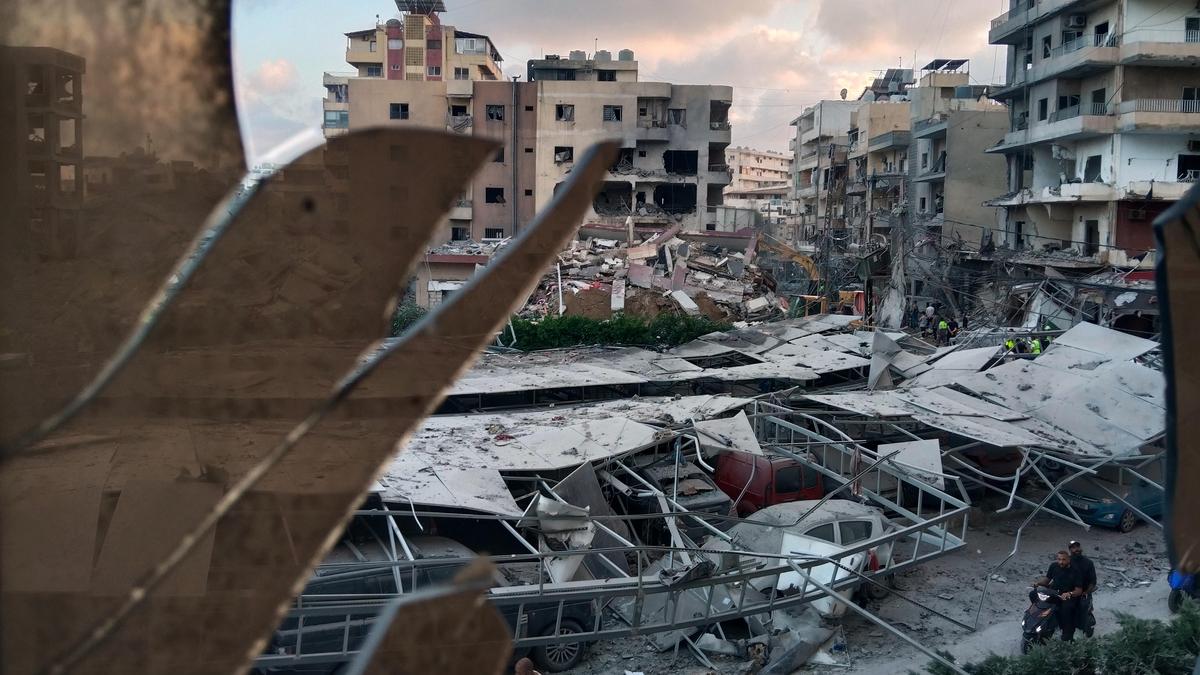
This development follows weeks of intensified fighting, including Israeli airstrikes targeting Hezbollah positions in southern Lebanon and retaliatory rocket barrages that have displaced thousands of civilians on both sides of the border. The conflict has drawn sharp warnings from the United Nations, which has described the situation as a “ticking time bomb” for wider regional war. Meanwhile, Lebanon’s already fragile economy has been further strained by the influx of displaced persons and the cost of military engagements.
Context: A Delicate Balance in Lebanon’s Political Landscape
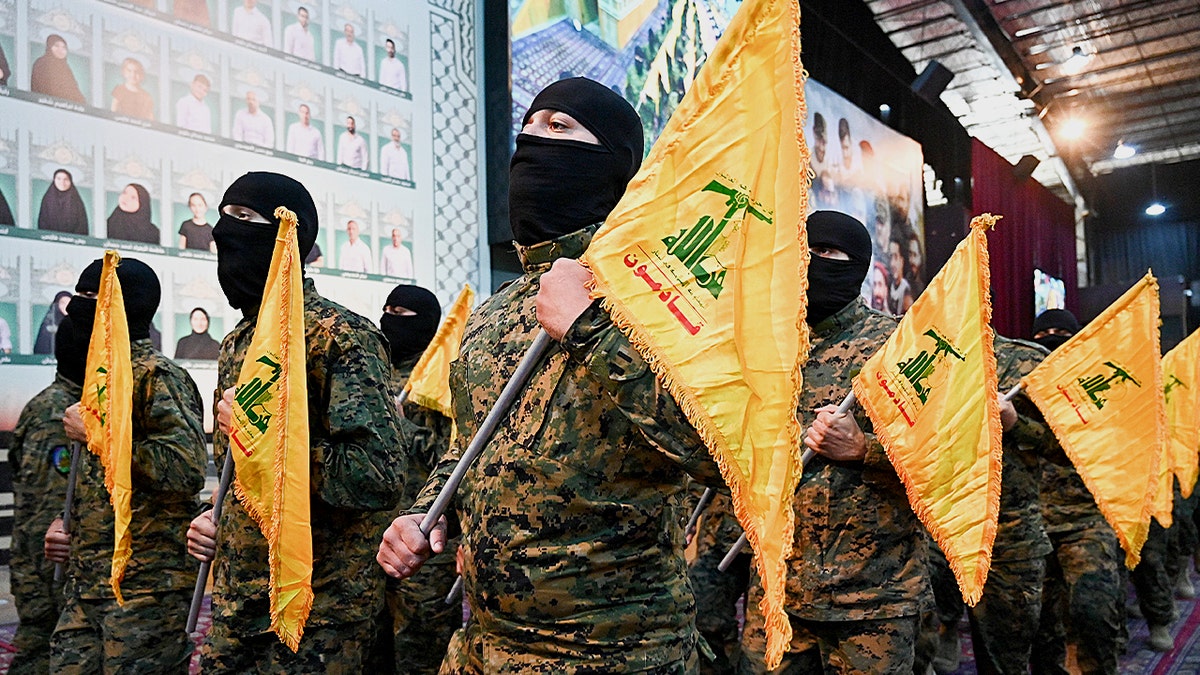
The acceptance of the U.S. Proposal by Hezbollah—an organization deeply entrenched in Lebanon’s political and military establishment—reflects the complex dynamics at play. Hezbollah, which holds significant influence in Lebanon’s government and parliament, has historically resisted direct negotiations with Israel without Iranian approval. Its decision to engage with the U.S. Proposal, even indirectly, signals both a pragmatic acknowledgment of the escalating risks and the group’s willingness to test the boundaries of its alliances.
Lebanon’s political leadership, including President Aoun and Prime Minister Najib Mikati, has maintained a delicate balancing act, avoiding explicit condemnation of Hezbollah while publicly advocating for de-escalation. The country’s confessional political system, where power is shared among religious sects, adds another layer of complexity. Hezbollah’s Shia base remains a critical constituency, and any move perceived as weakening the group’s stance could provoke domestic backlash.
According to the Lebanese Wikipedia entry, the country’s population is roughly 53% Muslim (with Shia Muslims making up about 27% of the population) and 41% Christian, reflecting the deep sectarian divisions that shape its politics. Hezbollah’s role as both a military actor and a political party ensures that its decisions carry weight far beyond its armed wings.
International Reactions: Cautious Optimism and Uncertainty
The U.S. State Department has not yet issued a formal statement confirming the details of Hezbollah’s acceptance, but diplomatic sources in the region suggest that the proposal was presented as part of broader efforts to stabilize the eastern Mediterranean. The European Union and key Middle Eastern allies, including Saudi Arabia and Qatar, have expressed cautious optimism, though officials stress that the agreement remains fragile and contingent on both sides adhering to the terms.
Israel, which has faced domestic pressure to respond forcefully to Hezbollah’s attacks, has not yet publicly commented on the proposal. However, leaks from Israeli military and political circles indicate that the government is divided over whether to accept the ceasefire terms. Hardline factions within the Israeli defense establishment argue that any pause in operations could embolden Hezbollah and its Iranian backers, while more pragmatic voices advocate for seizing the opportunity to reduce civilian casualties and buy time for diplomatic efforts.
Iran, Hezbollah’s primary sponsor, has remained notably silent on the matter. Analysts speculate that Tehran may be allowing Hezbollah to engage in indirect negotiations as a way to test international resolve without committing to a formal stance. The lack of clarity from Iran underscores the high stakes: any perception of weakness could encourage further aggression, while an overly rigid position risks isolating Hezbollah further.
What Happens Next? Key Uncertainties and Potential Pitfalls
Even if both sides agree to a cessation of hostilities, several critical challenges lie ahead:
- Verification and Enforcement: Monitoring compliance will be hard given the porous nature of the Lebanon-Israel border and the lack of a robust international peacekeeping presence. Satellite imagery and third-party observers may play a role, but gaps in oversight could lead to violations.
- Domestic Backlash: In Israel, any perceived concession to Hezbollah could spark political backlash, particularly ahead of upcoming elections. Similarly, in Lebanon, Hezbollah’s leadership may face pressure from hardliners within its own ranks who view the ceasefire as a tactical retreat.
- Broader Regional Dynamics: The conflict is part of a larger proxy war involving Iran, Israel, and their respective allies. Any de-escalation in Lebanon could be undermined by flare-ups elsewhere, such as in Syria or Yemen.
- Humanitarian Needs: Thousands of civilians have been displaced by the fighting, and the UN estimates that over 120,000 people are in urgent need of assistance. A sustained ceasefire would be essential to delivering aid and allowing displaced families to return home.
For now, the focus remains on whether Israel will reciprocate Hezbollah’s gesture. Israeli Prime Minister Benjamin Netanyahu has historically taken a hardline stance against concessions to militant groups, but the political calculus may be shifting given the humanitarian toll and international pressure.
Historical Context: Why This Moment Matters
The current standoff between Hezbollah and Israel is the most intense since the 2006 war, a conflict that left over 1,000 people dead and devastated parts of southern Lebanon. Since then, Hezbollah has significantly expanded its military capabilities with Iranian support, while Israel has developed its own deterrence strategies, including precision airstrikes and cyber operations. The group’s acceptance of a U.S.-backed ceasefire proposal, if honored, could mark a turning point—or simply a temporary lull in a longer-term struggle.

Lebanon itself remains in a state of precarious stability. The country has been grappling with an economic crisis since 2019, with inflation exceeding 150% in some sectors and a currency that has lost over 90% of its value against the U.S. Dollar. The financial strain of the conflict—including the cost of military engagements and the burden of hosting displaced persons—risks pushing the country closer to collapse.
What to Watch: Upcoming Checkpoints and Developments
The next critical phase will unfold over the coming 72 hours, as both sides assess the feasibility of a ceasefire. Key developments to monitor include:
- Israel’s Response: Will Prime Minister Netanyahu’s government accept the ceasefire terms, or will hardline factions push for continued military pressure? Official statements from the Israeli Defense Forces (IDF) are expected within 24–48 hours.
- Hezbollah’s Next Moves: Does the group’s acceptance signal a genuine commitment to de-escalation, or is it a tactical maneuver to buy time? Observers will watch for any shifts in Hezbollah’s rhetoric or military posture.
- International Mediation: The U.S., EU, and regional actors like Saudi Arabia and Qatar may intensify diplomatic efforts to solidify the ceasefire. A potential meeting between Lebanese and Israeli officials, possibly facilitated by third parties, could be announced in the near future.
- Humanitarian Aid: The UN and international aid organizations are preparing to scale up assistance to displaced populations. A ceasefire would be a prerequisite for safe delivery of food, medical supplies, and shelter materials.
The Lebanese government has urged calm, with President Aoun calling on all parties to “seize this opportunity to prevent further bloodshed.” For now, the focus remains on whether the fragile ceasefire can hold—or if the region is on the brink of a broader conflagration.
Key Takeaways
- First Step Toward De-Escalation: Hezbollah’s acceptance of the U.S. Ceasefire proposal is a rare and potentially significant shift in the conflict’s trajectory.
- Uncertain Israeli Response: Israel’s decision to reciprocate remains the biggest wild card, with political and military factions divided over the best course of action.
- Domestic and Regional Pressures: Both Lebanon and Israel face internal challenges that could undermine any ceasefire agreement.
- Humanitarian Urgency: The conflict has displaced tens of thousands, and a sustained pause is critical to delivering life-saving aid.
- Broader Implications: The outcome could influence proxy conflicts across the Middle East, particularly in Syria and Yemen.
As the situation evolves, World Today Journal will continue to provide updates on this developing story. We encourage readers to share their perspectives and insights on how this crisis may impact global stability in the comments below. For official updates, follow statements from the Lebanese government, U.S. State Department, and United Nations.
Related reading