
France’s 2026 budget negotiations are entering a critical phase as the government grapples with a €6 billion austerity drive—a stark reflection of the economic strain caused by the ongoing conflict in the Middle East. In a move that will reshape public spending, the justice system and President Emmanuel Macron’s signature France 2030 investment plan are among the hardest-hit sectors, according to internal government documents reviewed by Le Monde and Les Échos. The cuts, which officials describe as “necessary but painful,” underscore the tension between France’s global ambitions and its fiscal reality as defense and humanitarian costs mount.
The decision to slash €6 billion—equivalent to roughly 0.2% of France’s GDP—comes as the government faces mounting pressure to balance its books amid rising debt servicing costs and reduced tax revenues. While the exact allocation of cuts remains under wraps, leaked drafts suggest the justice ministry could see its budget trimmed by up to 15%, forcing layoffs, delayed infrastructure projects, and potential reductions in legal aid. Meanwhile, France 2030, Macron’s €54 billion plan to revitalize education, healthcare, and green technology, is expected to face delays in at least three key pillars: vocational training, renewable energy subsidies, and hospital modernization.
“What we have is not just about numbers—it’s about priorities,” said a senior finance ministry official, speaking on condition of anonymity. “The Middle East conflict has created a fiscal black hole, and we’re forced to make choices that will have long-term consequences for French society.” The official noted that while defense spending remains protected, other areas—including diplomacy and development aid—will also see reductions.
Justice System Under Pressure: What’s at Stake?
The justice ministry’s budget cuts are particularly contentious, given France’s long-standing backlog of cases and understaffed courts. According to a 2025 report by the Constitutional Council, the justice system already operates with a deficit of 12,000 full-time equivalents (FTEs) nationwide. The proposed reductions—estimated at €1.2 billion—could exacerbate delays in civil and criminal proceedings, particularly in overburdened regions like Paris and Lyon.
Legal aid, a cornerstone of France’s social justice system, is also in the crosshairs. The government is considering means-testing eligibility more strictly, a move that could leave thousands of low-income individuals without access to counsel. “This is a step backward for the rule of law,” warned Isabelle Falque-Pierrotin, president of the National Commission for Data Protection, in a statement. “Justice must remain accessible to all, not just those who can afford it.”
Critics argue the cuts disproportionately affect vulnerable populations. For example, domestic violence shelters—already strained by funding shortages—could see their budgets slashed by up to 20%, according to internal briefings. Meanwhile, the prison system, which has faced repeated criticism for overcrowding, may see deferred maintenance on aging facilities.
France 2030: Delays and Reallocations
France 2030, launched in 2023 with fanfare as Macron’s legacy project, is now facing its first major setback. The plan’s three-year timeline is under threat, with officials acknowledging that at least €3 billion in planned investments may be deferred to 2027 or beyond. The hardest-hit areas include:
- Vocational Training: €800 million in apprenticeship grants could be reduced, affecting 50,000 planned placements.
- Renewable Energy: Subsidies for solar and wind projects may be cut by 10%, slowing France’s transition away from nuclear.
- Hospital Modernization: €1.5 billion in planned upgrades to regional hospitals could be diverted to urgent care facilities.
The reallocation of funds has sparked backlash from local governments and unions. In Brittany, regional leaders have threatened legal action over the diversion of €200 million earmarked for coastal erosion projects. “This is a betrayal of the social contract,” said Loïc Chesnais-Girard, president of the Brittany Regional Council. “We were promised a green and inclusive recovery, not a race to the bottom.”
Economic Context: Why Now?
The austerity measures come as France’s economic outlook darkens. Growth forecasts have been revised downward twice this year, with the International Monetary Fund now projecting just 1.1% GDP growth in 2026—down from 1.5% in January. The conflict in the Middle East has driven up energy prices, increased defense spending, and disrupted global supply chains, all of which have squeezed France’s fiscal margins.
Defense spending, meanwhile, has become a political football. While the government insists military expenditures will be protected, leaks suggest that even this sector may face efficiency reviews. France’s commitment to NATO and its role in the Middle East—including its support for Ukraine and regional stability—has led to a €12 billion increase in defense budgets since 2022, according to Senate data. The question now is whether domestic priorities can coexist with these global obligations.
What Happens Next?
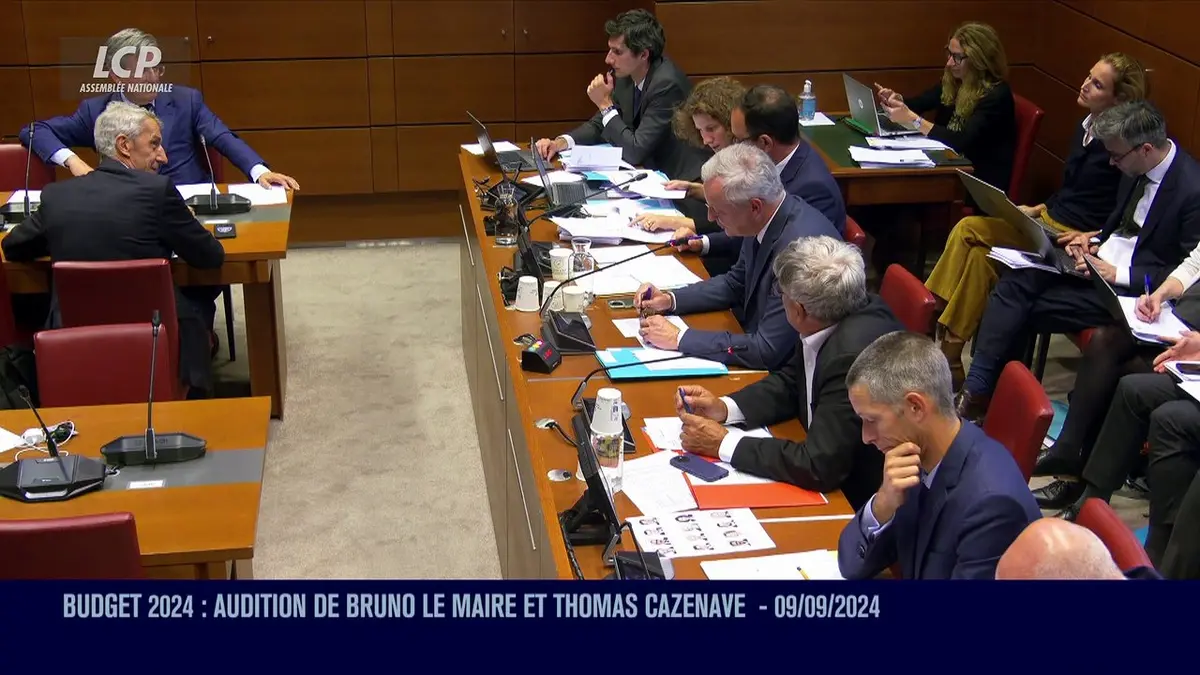
The budget will be finalized in a series of closed-door negotiations between the finance ministry, led by Bruno Le Maire, and the National Assembly. A draft law is expected by July 15, 2026, with a full vote targeted for September 2026. Protests are already being organized by unions and opposition parties, including La France Insoumise and Renaissance dissidents, who accuse Macron of abandoning his reformist agenda.

For now, the government is walking a tightrope. On one side, it faces the risk of social unrest if cuts to justice and public services are seen as unjust. On the other, it must reassure markets that France’s debt trajectory—currently at 110% of GDP—is sustainable. The coming months will test whether Macron can deliver on his promise to “protect the most vulnerable” while navigating the fallout from a conflict thousands of kilometers away.
Key Takeaways
- The €6 billion austerity plan targets justice and France 2030, with potential delays to vocational training, renewable energy, and hospital upgrades.
- Justice system cuts could worsen case backlogs and reduce access to legal aid, particularly for low-income individuals.
- France 2030’s €54 billion investment plan may see €3 billion deferred, affecting regional projects.
- Defense spending remains a priority, but efficiency reviews could still impact military budgets.
- Protests and legal challenges are expected as the budget enters parliamentary review in September 2026.
As France grapples with these challenges, one thing is clear: the Middle East conflict has not only reshaped geopolitics—it has also forced a reckoning with domestic priorities. The coming months will determine whether France can emerge from this fiscal crunch with its social contract intact.
What do you think? Should justice and education be shielded from austerity, or are these necessary sacrifices? Share your views in the comments below, and follow World Today Journal for live updates on the budget negotiations.
Keep reading