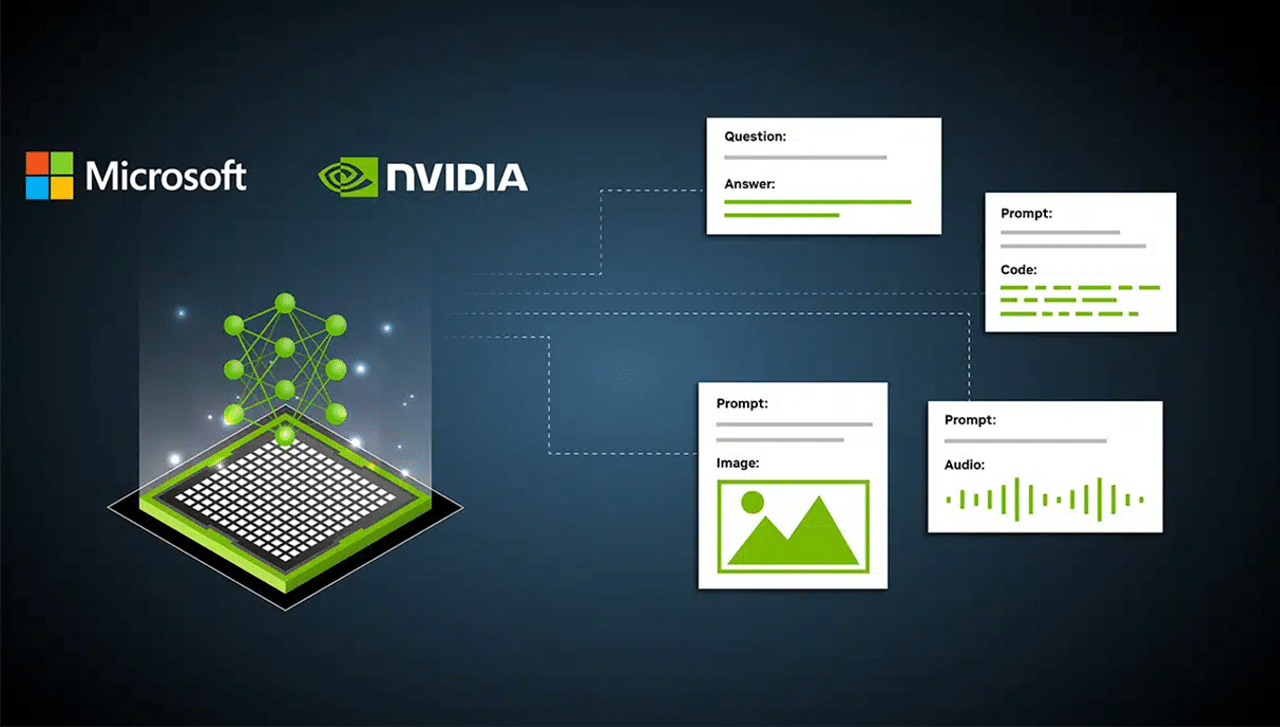
SAN FRANCISCO, USA — Nvidia and Microsoft are reshaping the future of artificial intelligence with the introduction of RTX Spark PCs, a new class of Windows-powered devices optimized for running AI agents directly on consumer hardware. Unlike cloud-based AI tools, these PCs promise faster response times, enhanced privacy and lower latency—key advantages for developers, enterprises, and everyday users. The partnership, announced this month, signals a major shift in how AI will be deployed, with major PC manufacturers expected to release RTX Spark-compatible systems later this year.
RTX Spark PCs leverage Nvidia’s RTX AI PCs architecture, which integrates the company’s latest GPU technology with Microsoft’s Copilot+ PCs ecosystem. The collaboration aims to democratize AI agent development, allowing users to train and run AI models locally without relying on remote servers. This move could accelerate innovation in fields like healthcare diagnostics, creative workflows, and personalized education—all while addressing growing concerns over data privacy and cloud dependency.
But what exactly are RTX Spark PCs, and why does this partnership matter? Here’s a deep dive into the technology, its implications, and what’s next for AI-powered computing.
What Are RTX Spark PCs?
RTX Spark PCs are Windows-based computers designed to host AI agents—autonomous software systems capable of performing tasks like coding, content generation, or data analysis—entirely on local hardware. Unlike traditional cloud-based AI services (e.g., OpenAI’s GPT models or Google’s Vertex AI), these PCs use Nvidia’s RTX GPUs to process AI workloads in real time, reducing latency and eliminating the need for constant internet connectivity.
The partnership between Nvidia and Microsoft builds on existing efforts to integrate AI into consumer devices. Microsoft’s Copilot+ PCs, launched in 2023, already include AI acceleration features, but RTX Spark takes this further by enabling local AI agent execution. This means developers can deploy custom AI models—such as those for natural language processing, computer vision, or robotics—without sending sensitive data to third-party servers.
Key features of RTX Spark PCs include:
- Local AI inference: Run AI models on-device with minimal cloud dependency.
- Nvidia RTX GPUs: Utilize Tensor Cores for faster AI processing.
- Windows AI integration: Seamless compatibility with Microsoft’s Copilot and Windows AI Platform.
- Developer tools: Access to Nvidia’s AI Foundation Models and Microsoft’s Windows AI Toolkit.
Why This Partnership Matters
The collaboration between Nvidia and Microsoft is a strategic move to address two critical challenges in AI adoption:

1. Privacy and Data Sovereignty
With high-profile data breaches and regulatory scrutiny (e.g., the EU’s AI Act and GDPR), businesses and consumers are increasingly wary of cloud-based AI. RTX Spark PCs offer a local-first approach, allowing users to keep data on-premises while still leveraging advanced AI capabilities. What we have is particularly appealing for:
- Healthcare providers handling sensitive patient data.
- Financial institutions requiring secure transaction processing.
- Government agencies with strict cybersecurity protocols.
2. Performance and Latency
Cloud AI services often suffer from latency issues, especially in real-time applications like autonomous vehicles or industrial robotics. RTX Spark PCs eliminate this bottleneck by processing AI tasks locally. For example:

- A developer testing a custom AI model can iterate without uploading code to a remote server.
- A factory using computer vision for quality control can reduce downtime by running models on-site.
- Gamers and creators can use AI tools like Stable Diffusion without waiting for cloud responses.
3. Democratizing AI Development
Historically, AI development required expensive cloud infrastructure or high-end workstations. RTX Spark PCs lower the barrier to entry by making AI agent deployment accessible to:
- Minor businesses: Affordable hardware for custom AI solutions.
- Independent developers: Local testing of AI models without cloud costs.
- Educational institutions: Hands-on AI training with real-world tools.
Who’s Building These PCs?
While Nvidia and Microsoft have announced the RTX Spark initiative, they have not yet disclosed a full list of participating manufacturers. However, based on past collaborations:

- Major PC vendors like Dell, Lenovo, and HP are likely to release RTX Spark-compatible models later this year.
- Nvidia’s existing RTX AI PC partners (e.g., ASUS, MSI) may lead the charge.
- Microsoft’s Copilot+ PC ecosystem will integrate RTX Spark features, ensuring compatibility with Windows 11 and future updates.
Note: As of this writing, no official release dates or pricing have been confirmed. Nvidia and Microsoft are expected to provide further details at their respective conferences (e.g., GTC or Microsoft’s Build event).
How RTX Spark PCs Compare to Existing AI Hardware
To understand the significance of RTX Spark PCs, it’s helpful to compare them to other AI-focused hardware:
| Feature | RTX Spark PCs | Cloud AI (e.g., AWS SageMaker) | High-End Workstations (e.g., Nvidia DGX) |
|---|---|---|---|
| Deployment | Local (on-device) | Cloud-based | On-premises (data centers) |
| Latency | Sub-100ms (real-time) | 100ms–2s (depends on network) | Low (but requires infrastructure) |
| Privacy | Data stays local | Data processed in cloud | Data controlled by organization |
| Cost | $800–$2,500 (consumer-grade) | $0.10–$10/hour (pay-as-you-go) | $50,000+ (enterprise) |
| Use Cases | Developers, SMBs, creators | Enterprises, large-scale AI | Research, large-scale training |
What’s Next for RTX Spark?
The rollout of RTX Spark PCs will unfold in phases:
- Developer Preview (Q4 2024): Nvidia and Microsoft will release SDKs and tools for early adopters to test AI agent deployment.
- Manufacturer Announcements (Early 2025): Major PC brands will unveil RTX Spark-compatible models, likely at CES or Computex.
- Mass Availability (Mid-2025): Consumer and business editions expected to hit stores.
For updates, watch for official announcements from:
Key Takeaways
- RTX Spark PCs enable local AI agent execution, reducing reliance on cloud services.
- The Nvidia-Microsoft partnership aims to democratize AI development for businesses and creators.
- Privacy and performance are the primary drivers behind this initiative.
- Major PC manufacturers will release RTX Spark-compatible models in 2025.
- Developers can expect new tools and SDKs later this year for early testing.
What This Means for You
If you’re a developer, business owner, or tech enthusiast, RTX Spark PCs could change how you interact with AI. Here’s how to prepare:
- Developers: Start exploring Nvidia’s AI Foundation Models and Microsoft’s Windows AI Toolkit to future-proof your projects.
- Businesses: Evaluate whether local AI deployment aligns with your data security needs.
- Consumers: Keep an eye on fall 2024 for the first RTX Spark models—ideal for creators and power users.
As the AI landscape evolves, one thing is clear: the next generation of computing will be local, fast, and private. RTX Spark PCs are just the beginning.
Next Steps: Nvidia’s GTC 2024 (March 18–21) and Microsoft’s Build 2024 (May 7–9) are likely to include major RTX Spark updates. Stay tuned for official hardware announcements from Dell, Lenovo, and HP.
What do you think about the shift to local AI? Share your thoughts in the comments below or on our Twitter!
Keep reading