
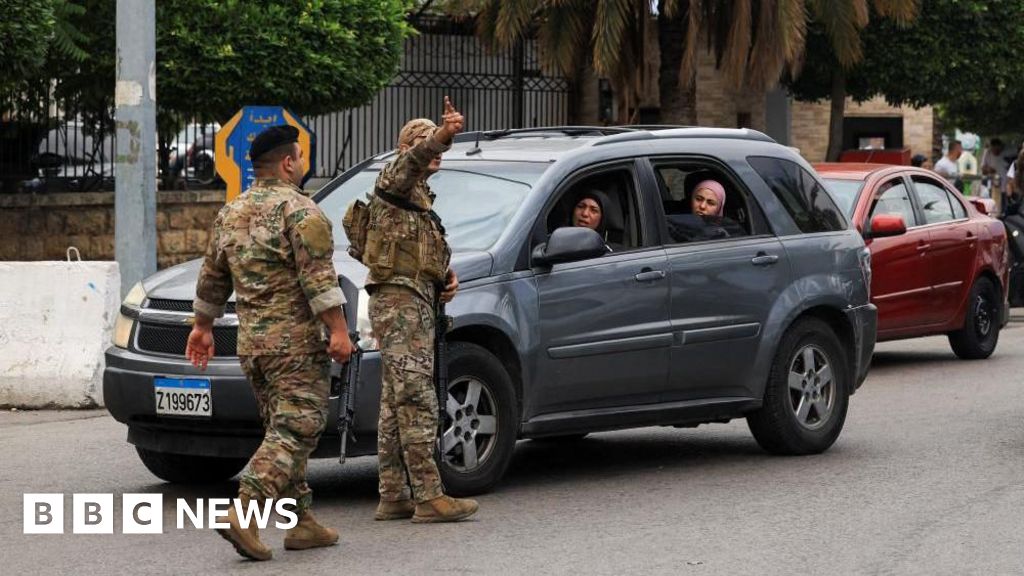
The fragile landscape of the Middle East shifted significantly this week as diplomatic efforts to curb the cross-border violence between Israel and Hezbollah reached a critical juncture. Following weeks of intense international mediation, reports emerged confirming that Hezbollah had agreed to a reciprocal halt to attacks on Israel. This development, aimed at de-escalating the hostilities that have plagued the Israel-Lebanon border for months, represents one of the most significant diplomatic maneuvers in the region since the conflict intensified in October 2023.
However, the transition from agreement to implementation remains fraught with instability. Within hours of the reported pause, the Israel Defense Forces (IDF) stated that they had intercepted projectiles launched from Lebanese territory. This immediate breach of the expected calm underscores the volatility of the current situation and the immense challenges facing the international coalition working to secure a lasting cessation of hostilities. As we monitor these events from the newsroom, the focus remains on whether this agreement can evolve into a sustainable framework for security along the Blue Line.
The Diplomatic Framework and the Reality on the Ground
The agreement for a ceasefire between Israel and Hezbollah was the result of high-stakes shuttle diplomacy, primarily facilitated by the United States and France. The deal is intended to be a phased process, requiring both parties to cease offensive operations while establishing a monitoring mechanism to ensure compliance. The primary objective is to allow displaced civilians on both sides of the border to return to their homes, many of which have been abandoned due to near-daily rocket fire and airstrikes.

Despite the optimism surrounding the announcement, the tactical reality remains precarious. The IDF reported that despite the declared pause, they identified and intercepted projectiles fired from Lebanon, necessitating defensive action. Such incidents highlight the difficulty of enforcing a ceasefire when non-state actors and decentralized military units are involved. According to the United Nations Interim Force in Lebanon (UNIFIL), the mandate for maintaining peace in the region requires strict adherence to international resolutions, yet the current environment remains highly reactive, with local military commanders often responding to perceived threats in real-time.
Understanding the Impact on Displaced Populations
The human cost of this conflict has been profound. Tens of thousands of residents from northern Israel and southern Lebanon have been living in temporary shelters or with relatives, unable to access their homes due to the constant threat of bombardment. The announcement of a reciprocal halt to attacks brought a glimmer of hope to these families, yet the sound of sirens and the sight of interceptors in the sky serve as a stark reminder that a diplomatic agreement on paper does not immediately guarantee safety on the ground.

For the international community, the stakes are equally high. The conflict has threatened to spill over into a broader regional war, drawing in other proxies and increasing the risk of miscalculation. The current agreement is designed to create a “cooling off” period, during which further negotiations can take place to address the underlying grievances and border disputes that have fueled the tension for decades. Analysts emphasize that for this pause to hold, both the Israeli government and Hezbollah leadership must demonstrate consistent restraint, even in the face of localized provocations.
Key Takeaways: Navigating the Ceasefire
- Phased Implementation: The agreement is not an immediate, total resolution but a structured pause intended to build confidence between the involved parties.
- International Oversight: Mediation efforts are led by the United States and France, with support from regional stakeholders to monitor compliance.
- Security Challenges: The immediate reports of projectile fire post-announcement highlight the difficulty of maintaining a ceasefire in a highly militarized border zone.
- Humanitarian Priority: The primary goal for both governments is the safe return of internally displaced persons (IDPs) to their respective communities.
What Happens Next: Monitoring the Stability
As we look toward the coming days, the international community will be watching for signs of sustained compliance. The next confirmed checkpoint in this process involves the continued monitoring by international observers to verify that both sides are adhering to the terms of the agreement. The U.S. Department of State has consistently urged all parties to prioritize diplomacy over military escalation, emphasizing that a long-term solution is the only way to ensure regional stability.
The situation remains fluid. While the ceasefire offers a pathway out of the current cycle of violence, the history of this region is marked by agreements that have faltered under the weight of mistrust and localized skirmishes. For those following this story, it is essential to rely on official updates from government sources and verified international reporting agencies to distinguish between verified tactical movements and the fog of misinformation that often accompanies such sensitive geopolitical events.
We will continue to provide updates as more information regarding the adherence to the ceasefire and the progress of diplomatic talks becomes available. I encourage our readers to engage with this topic in the comments section below—what are your thoughts on the sustainability of this current pause and what role do you believe international mediation should play in the long-term resolution of the Israel-Lebanon border conflict? Your insights are a vital part of our global conversation.