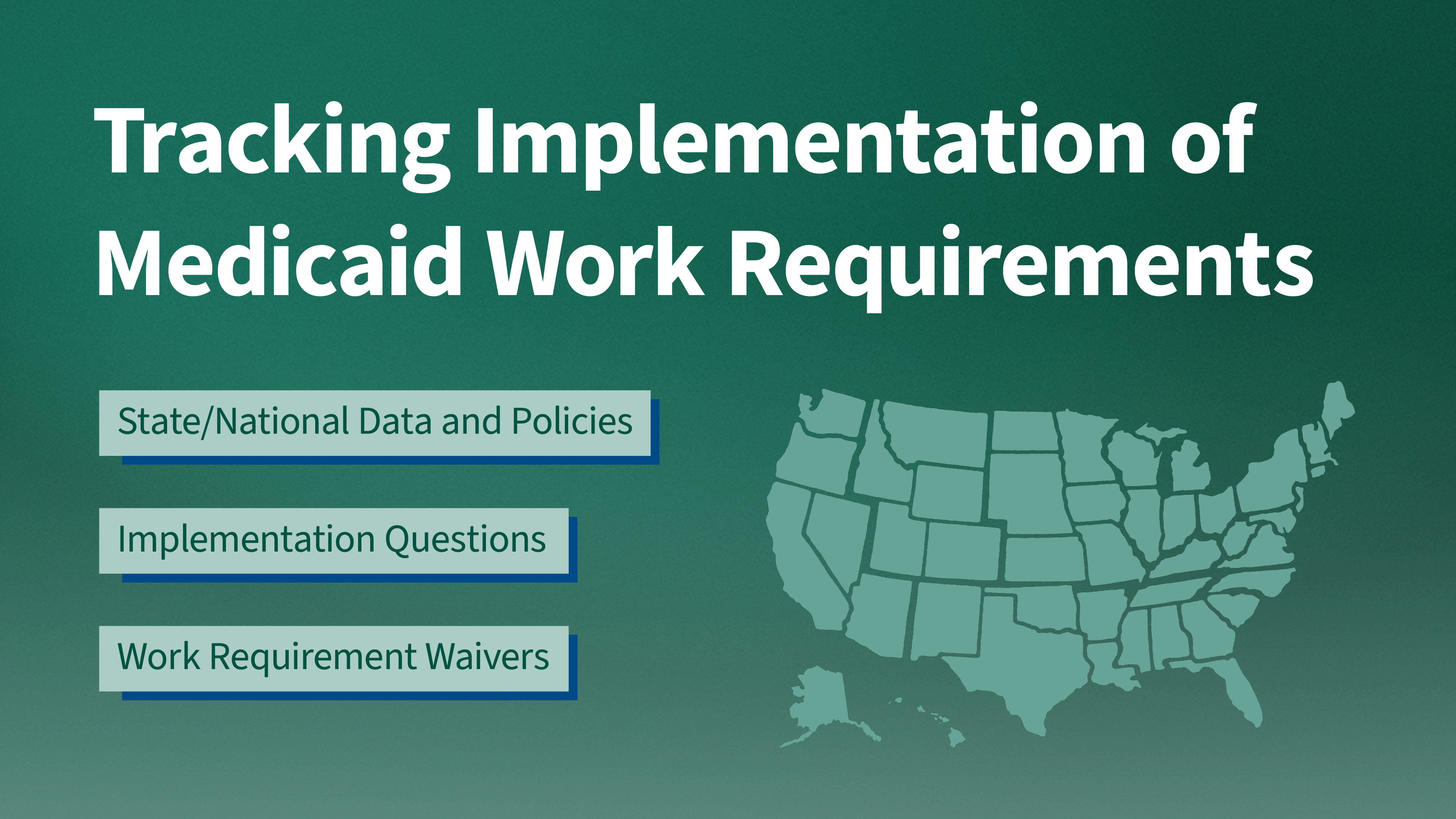
As the U.S. Grapples with the far-reaching implications of the 2025 budget reconciliation law—officially known as the One Large Beautiful Bill Act—one of its most consequential but under-examined provisions is taking shape: the new statutory requirement that all Section 1115 Medicaid demonstration waivers must be “budget neutral.” This shift, embedded in Section 71118 of the law, transforms what was once an executive branch policy into a permanent congressional mandate, reshaping how states design and implement Medicaid experiments—including controversial work requirements that have already triggered legal challenges and enrollment drops.
The policy change arrives at a critical juncture. Since the Trump administration first pushed for Medicaid work requirements in 2018, states have used Section 1115 waivers to test whether beneficiaries must document employment, job searches, or vocational training to retain coverage. These waivers—granted by the Centers for Medicare & Medicaid Services (CMS)—have become a political battleground, with supporters arguing they encourage self-sufficiency and opponents warning they disproportionately harm low-income individuals, people with disabilities, and caregivers. Now, with HR1’s budget neutrality rule, the financial stakes for these experiments have risen sharply: any waiver that increases federal Medicaid spending must be offset by cuts elsewhere in the program.
But how are states responding? Which waivers have been approved, denied, or modified under the new rules? And what does this mean for the millions of Americans who rely on Medicaid for healthcare? Below, we break down the verified status of work requirement waivers across states, the legal and enrollment consequences of the budget neutrality mandate, and what’s next for this evolving policy landscape.
The New Budget Neutrality Rule: What It Means for Medicaid Waivers
Section 71118 of the 2025 reconciliation law codifies a long-standing CMS practice: states seeking to deviate from federal Medicaid rules—such as testing work requirements, expanding managed care models, or imposing premiums—must ensure their demonstration projects do not increase federal costs. Under the old system, CMS could impose budget neutrality as a condition for waivers. Now, This proves a non-negotiable statutory requirement.

This change has two immediate effects:
- Stricter financial scrutiny: States must now submit detailed cost projections showing how any waiver’s savings will offset its expenses. For work requirements, So modeling how many enrollees will lose coverage (and thus reduce federal spending) compared to the administrative costs of enforcing the rules.
- Slower approvals: CMS has already delayed reviews for several pending waivers, citing the need to assess budget neutrality under the new standard. Legal experts anticipate a surge in lawsuits from states seeking waivers and advocacy groups opposing them.
According to a September 2025 analysis by the Health Care Innovation & Marketplace Project, only three states had active work requirement waivers approved before HR1 passed: Arkansas, Kentucky, and New Hampshire. All three saw enrollment declines of 10–20% after implementation, though Arkansas later suspended its program amid legal pressure. With the new budget neutrality rule, no state has yet received approval for a new work requirement waiver in 2026.
State-by-State: Where Work Requirement Waivers Stand
Below is a verified snapshot of the status of Medicaid work requirement waivers as of June 2, 2026, based on CMS records and state filings. Note: This list excludes waivers for other demonstration projects (e.g., managed care expansions, premiums) unless they include work requirements.
| State | Waiver Status | Key Details | Next Steps |
|---|---|---|---|
| Arkansas | Approved (2018) → Suspended (2021) → Terminated (2023) |
First state to implement work requirements; lost coverage for 18,000 enrollees (CMS data). Waiver terminated after federal court ruling that it violated Medicaid’s purpose. |
No active waiver; state has not submitted new application. |
| Kentucky | Approved (2020) → Enforcement paused (2023) |
Enrollment dropped by 15% after implementation (state report). CMS paused enforcement in 2023 pending budget neutrality review.  |
State has requested waiver renewal; CMS review ongoing. |
| New Hampshire | Approved (2020) → Active (with modifications) |
Enrollment decline of 9%; waiver modified to exclude pregnant women and those with disabilities (state guidance). |
No renewal application submitted; monitoring compliance. |
| Mississippi | Pending (since 2024) |
Proposed waiver includes work requirements for childless adults; CMS has not yet ruled on budget neutrality (CMS waiver tracker). |
CMS deadline for decision: September 30, 2026. |
| Utah | Pending (since 2025) |
Proposed waiver would require 20 hours/week of work or training; state has submitted revised budget neutrality calculations (state filing). |
CMS public comment period closed May 31, 2026; decision expected by Q3 2026. |
| Other States | No active or pending waivers |
States like Georgia, Indiana, and Wisconsin have expressed interest but have not submitted formal waiver applications. Legal challenges in Arkansas and Kentucky have deterred others. |
— |
Why Budget Neutrality Matters: The Financial and Human Costs
The budget neutrality rule is not just about numbers—it’s about who bears the risk when Medicaid experiments fail. Consider Arkansas: the state projected that work requirements would save $4.8 million annually by reducing enrollment, but the actual administrative costs of enforcing the rules exceeded $3.2 million, leaving taxpayers on the hook (GAO report). Under HR1’s new rule, such miscalculations could now trigger automatic waiver denials.
For enrollees, the human cost is clear. A 2023 Commonwealth Fund study found that states with work requirements saw:
- Higher rates of uninsured adults (up to 40% in some counties).
- Increased emergency room visits for preventable conditions.
- Disproportionate losses among Black and Hispanic enrollees.
Advocacy groups argue that budget neutrality will make it even harder for states to justify waivers that disproportionately harm vulnerable populations. “This rule forces states to gamble with people’s health to balance budgets,” said Sarah Lerner, policy director at the National Women’s Law Center, in a February 2026 statement. “If a waiver doesn’t pass the budget test, it won’t pass the human test either.”
Legal Battles and What’s Next
The budget neutrality rule is already facing legal scrutiny. In Arkansas v. Azar, a federal appeals court ruled in 2021 that work requirements violate Medicaid’s purpose of providing healthcare, not work incentives. While that case focused on the substance of waivers, legal scholars say HR1’s budget neutrality provision could open new avenues for challenges, particularly if CMS approves a waiver that relies on flawed cost projections.
Key upcoming deadlines:
- June 15, 2026: CMS must respond to Utah’s revised budget neutrality calculations.
- September 30, 2026: Deadline for CMS to rule on Mississippi’s pending waiver.
- November 1, 2026: Kentucky’s waiver renewal application is due for CMS review.
Beyond individual waivers, the broader implications of HR1’s Medicaid changes are still unfolding. The Harvard Petrie-Flom Center notes that the budget neutrality rule could:
- Reduce innovation in Medicaid by making waivers riskier for states.
- Shift power from CMS to Congress in shaping Medicaid policy.
- Create perverse incentives for states to design waivers that maximize enrollment losses.
What This Means for You
If you rely on Medicaid—or work with populations that do—here’s what to watch:
- Enrollment changes: States with pending waivers may see drops in coverage if work requirements are approved. Monitor your state’s CMS waiver tracker.
- Legal risks: If you’re in a state with an active waiver, know your rights. The Medicaid.gov eligibility guide outlines exemptions (e.g., disability, pregnancy).
- State actions: Some states may pivot to other waiver types (e.g., premiums, lockout periods) to avoid budget neutrality hurdles. Stay informed via your state Medicaid office.
Key Takeaways
- The 2025 reconciliation law’s budget neutrality rule has halted new Medicaid work requirement waivers, pending strict financial reviews.
- Only Arkansas, Kentucky, and New Hampshire had active waivers pre-HR1; all saw enrollment declines of 9–20%.
- Mississippi and Utah are the only states with pending waivers in 2026, with CMS decisions due by late 2026.
- Legal challenges and budget constraints may make work requirements even harder to implement.
- Enrollees in waiver states should verify their eligibility and exemptions, as coverage rules may change.
The next major checkpoint is CMS’s September 30, 2026 deadline for Mississippi’s waiver. As states navigate this new landscape, one thing is clear: the era of loosely approved Medicaid experiments is over. The question now is whether budget neutrality will lead to smarter policies—or fewer opportunities to test them at all.
What’s your experience with Medicaid waivers? Share your story or questions in the comments—and don’t forget to follow World Today Journal for updates on how this policy unfolds.
Keep reading