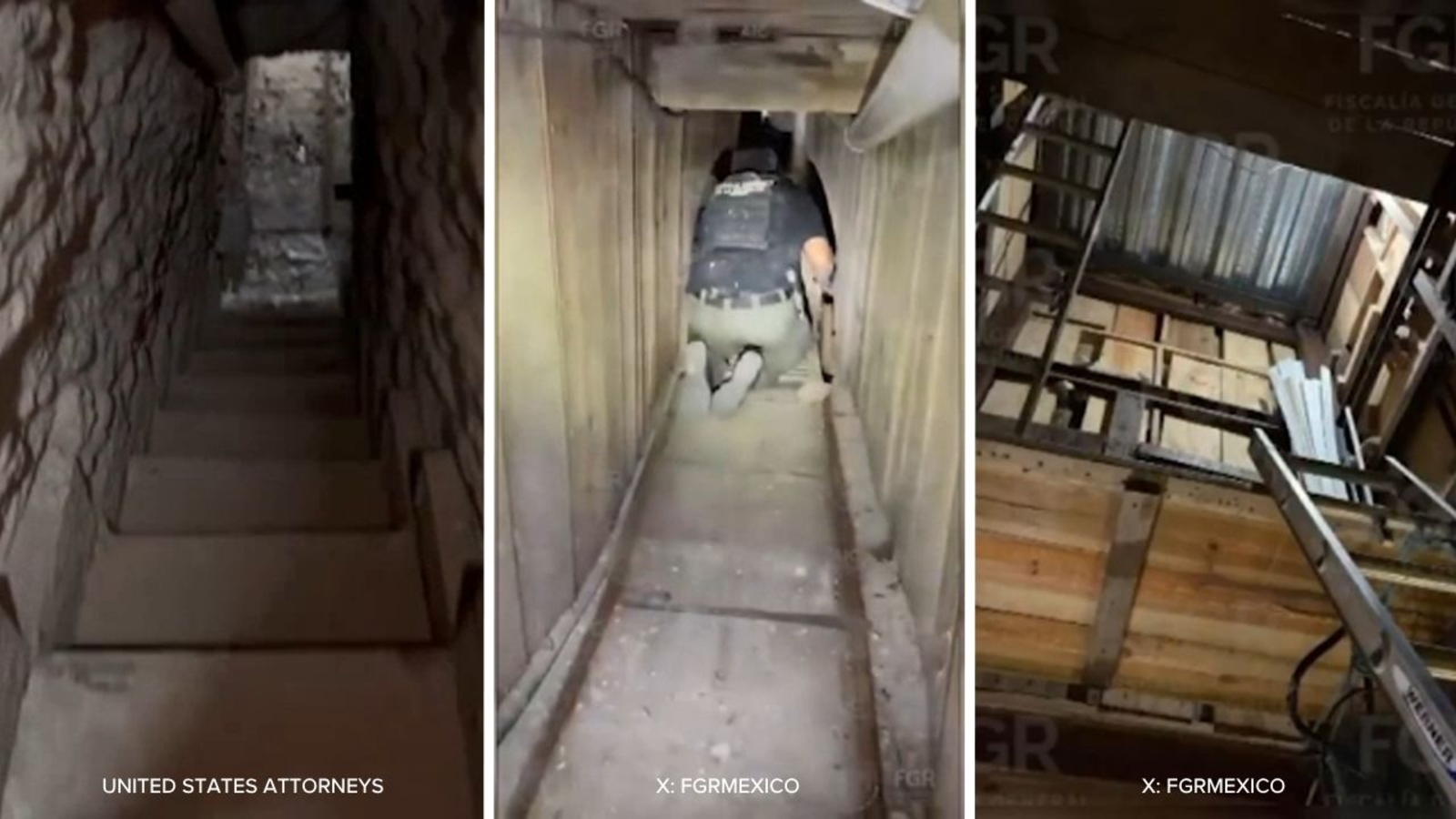
The discovery of sophisticated underground infrastructure along the U.S.-Mexico border remains a persistent challenge for federal law enforcement, highlighting the ongoing battle against transnational criminal organizations. U.S. Authorities recently identified a sophisticated cross-border tunnel in Tijuana, which investigators believe was engineered for the illicit transport of narcotics and weaponry into the United States. The passage, located in a region known for its complex subterranean geography, appears to terminate in the vicinity of San Diego, underscoring the persistent threat posed by clandestine smuggling routes.
As the Editor for the World section at World Today Journal, I have spent over a decade tracking the shifting dynamics of border security and the evolving methodologies of illicit trafficking networks. The identification of such tunnels often involves a multi-agency effort, typically coordinated by the U.S. Department of Homeland Security (DHS) and U.S. Customs and Border Protection (CBP). These discoveries serve as a stark reminder of the immense resources criminal cartels invest in bypassing legal ports of entry, further complicating regional security efforts and diplomatic relations between Washington and Mexico City.
The Anatomy of Subterranean Smuggling
Modern smuggling tunnels are far from the rudimentary crawl spaces often depicted in fiction. According to technical assessments from U.S. Immigration and Customs Enforcement (ICE), these passages are frequently equipped with advanced engineering features. These often include reinforced walls, ventilation systems, electrical grids, and rail systems designed to move large quantities of illicit goods with speed and relative anonymity. The discovery of such a tunnel necessitates a forensic investigation to determine the extent of its reach and the duration of its operation.
The strategic location of these tunnels—often hidden within industrial warehouses or residential properties on both sides of the border—allows traffickers to blend into the dense urban fabric of cities like Tijuana and San Diego. Federal agents utilize a combination of ground-penetrating radar, seismic sensors, and intelligence-led investigations to detect these subterranean threats. The U.S. Customs and Border Protection maintains that the detection of these tunnels is a top priority, as they represent not only a conduit for drugs but also a potential pathway for the illegal movement of weapons and unauthorized individuals.
Geopolitical Context and Border Security
The persistence of these tunneling activities is inextricably linked to the broader geopolitical climate. For years, the U.S.-Mexico border has been a focal point for international policy debates regarding national security, migration, and the flow of illicit substances. The discovery of a tunnel in the San Diego sector—an area with a high volume of legitimate trade—places additional pressure on the U.S. Attorney’s Office for the Southern District of California to identify and prosecute those responsible for the construction and maintenance of these illegal passages.
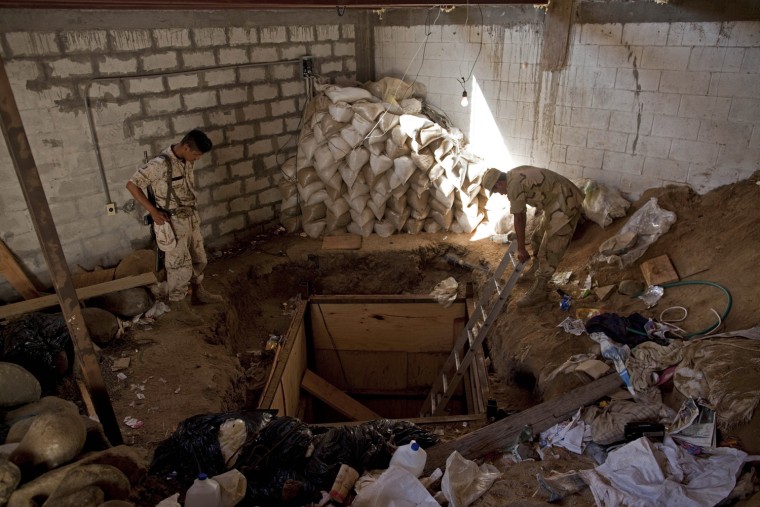
Beyond the immediate law enforcement response, these events underscore the limitations of surface-level border barriers. While physical walls and surveillance technology are effective at deterring pedestrian crossings, they are largely ineffective against subterranean engineering projects. Experts in international relations often point to the need for enhanced intelligence sharing between the U.S. And Mexican governments to dismantle the financial and logistical support structures that enable these criminal enterprises to flourish.
Key Factors in Tunnel Detection and Response
- Multi-Agency Collaboration: Investigations typically involve the Border Patrol’s Tunnel Task Force, which coordinates with local police and federal intelligence agencies to secure the site.
- Forensic Analysis: Once a tunnel is discovered, authorities perform a thorough sweep to document the construction methods, which often reveals the sophistication and potential origin of the criminal syndicate involved.
- Site Remediation: After evidence is processed, the tunnels are typically filled with concrete or otherwise destroyed to prevent future use, a process that can take weeks depending on the length and stability of the passage.
What Happens Next?
Following the discovery of a tunnel, the standard procedure involves a criminal investigation led by federal prosecutors. This process includes the execution of search warrants, the interviewing of witnesses, and the collection of physical evidence to link the tunnel to specific criminal organizations. While the investigation into this specific site is ongoing, the public should expect periodic updates from the Department of Justice regarding potential indictments or arrests connected to the discovery.

For those interested in following the legal proceedings or official statements, the U.S. Department of Justice provides regular press releases regarding active border-related investigations. It is essential to rely on these verified channels rather than speculative reports, as the sensitive nature of these investigations often means that early information is subject to change as more evidence is gathered.
As we continue to monitor this situation, I invite our readers to join the conversation. The complexity of border security requires a nuanced understanding of both the logistical realities and the human impact of these criminal operations. How do you believe international cooperation can be improved to address these hidden threats? Please share your thoughts in the comments section below, and stay tuned to World Today Journal for further updates as this story develops.
Keep reading