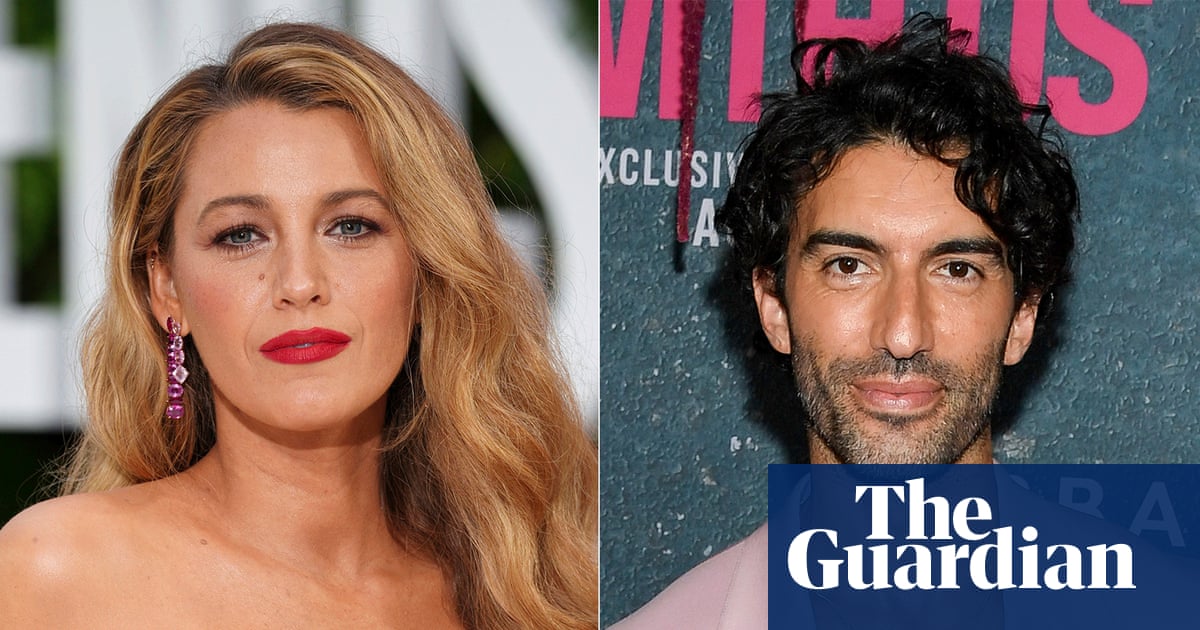
The legal resolution between actress Blake Lively and filmmaker Justin Baldoni, which appeared to conclude last month, has entered a new and complex phase. On Monday, legal representatives for the 38-year-old performer returned to a New York courtroom, signaling that the conclusion of their widely publicized dispute over the production It Ends With Us may have been merely a temporary pause rather than a total end to their litigation.
The ongoing friction centers on a request for legal fees and damages, an issue that underscores the high stakes involved in entertainment-industry litigation. While the primary settlement regarding the initial allegations of professional misconduct was reported as finalized in May 2026, the current proceedings highlight the lingering financial and reputational impacts that often follow such high-profile court battles. This development marks a significant shift, as the focus moves from the substance of the original claims to the secondary, yet highly consequential, matter of liability for legal expenditures.
The Legal Strategy: Defining Retaliation
At the heart of the current courtroom activity is a motion filed by Lively’s legal team. The central argument posits that the defamation suit previously brought against her by Baldoni and his production entity, Wayfarer Studios, constitutes a retaliatory action. Under specific provisions of California law, which often govern disputes involving entertainment contracts and torts, legal maneuvers deemed “retaliatory” can trigger statutory protections designed to shield individuals from punitive litigation. According to the California Code of Civil Procedure Section 425.16, often referred to as the anti-SLAPP statute, defendants can seek to strike down lawsuits that arise from protected speech or petitioning activity.

The application of these statutes in the context of a New York courtroom adds a layer of jurisdictional complexity. Legal analysts frequently monitor such cases to see how courts balance the procedural mandates of one state against the venue requirements of another. The demand for attorneys’ fees is a common follow-up to a successful anti-SLAPP motion, as the law intends to make the party that files a retaliatory suit responsible for the costs incurred by the target of that suit.
A look at the legal landscape surrounding the It Ends With Us production and the subsequent court filings.
A Shift in Post-Settlement Dynamics
When parties reach a settlement in a high-profile case, the public often assumes that all related grievances have been addressed. However, as business journalists frequently observe, the “fine print” of such agreements often leaves room for subsequent motions, particularly regarding the allocation of costs. For observers of the entertainment industry, this latest move by Lively’s team serves as a reminder that the conclusion of a primary lawsuit rarely signifies the end of the financial fallout.
The dispute, which involves both individual reputations and corporate interests via Wayfarer Studios, has been closely watched by legal experts for its potential to set precedents regarding how “on-set” conflicts are litigated. By challenging the defamation claims as retaliatory, the defense is attempting to frame the prior lawsuit not merely as an unsuccessful claim, but as an improper use of the legal system. If the court finds in favor of Lively’s team on this motion, it could have significant financial implications for the plaintiffs, potentially forcing them to cover substantial legal bills accumulated during the defense.
What This Means for the Industry
This case is illustrative of a broader trend where creative disputes are increasingly settled in courtrooms rather than through private arbitration. The involvement of major production houses and high-profile talent means that every motion filed is scrutinized for its impact on future contract negotiations and liability insurance. The New York State Supreme Court, where this matter is being heard, has become a frequent venue for such high-stakes entertainment disputes, reflecting the industry’s reliance on New York’s robust legal framework for contract enforcement.

For stakeholders—including producers, agents, and talent—the lesson remains consistent: the cost of litigation extends far beyond the initial filing fees. The current request for damages and fees acts as a “tail” to the original case, ensuring that the financial impact of the dispute continues to evolve well after the primary headlines have faded.
Key Takeaways
- Legal Fees and Damages: Lively’s team is actively seeking to recover legal costs, arguing that the prior defamation suit was a retaliatory move.
- Statutory Protections: The defense is leveraging principles akin to California’s anti-SLAPP laws to challenge the legitimacy of the initial defamation claims.
- Jurisdictional Nuance: The interplay between California-based legal protections and the New York venue remains a critical point of interest for legal observers.
- Ongoing Uncertainty: Despite the settlement reached in May 2026, the financial and legal finality of the dispute remains subject to the court’s ruling on these current motions.
As the case progresses, the next checkpoint will be the judge’s determination regarding the motion for fees and damages. No date has been officially released for the final ruling on this specific request, but court filings are expected to continue as both sides submit further documentation to support their respective positions. We will continue to monitor the New York State Courts Electronic Filing (NYSCEF) system for further updates as they become available.
What are your thoughts on the role of anti-SLAPP statutes in entertainment litigation? Share your perspective in the comments section below.
Keep reading