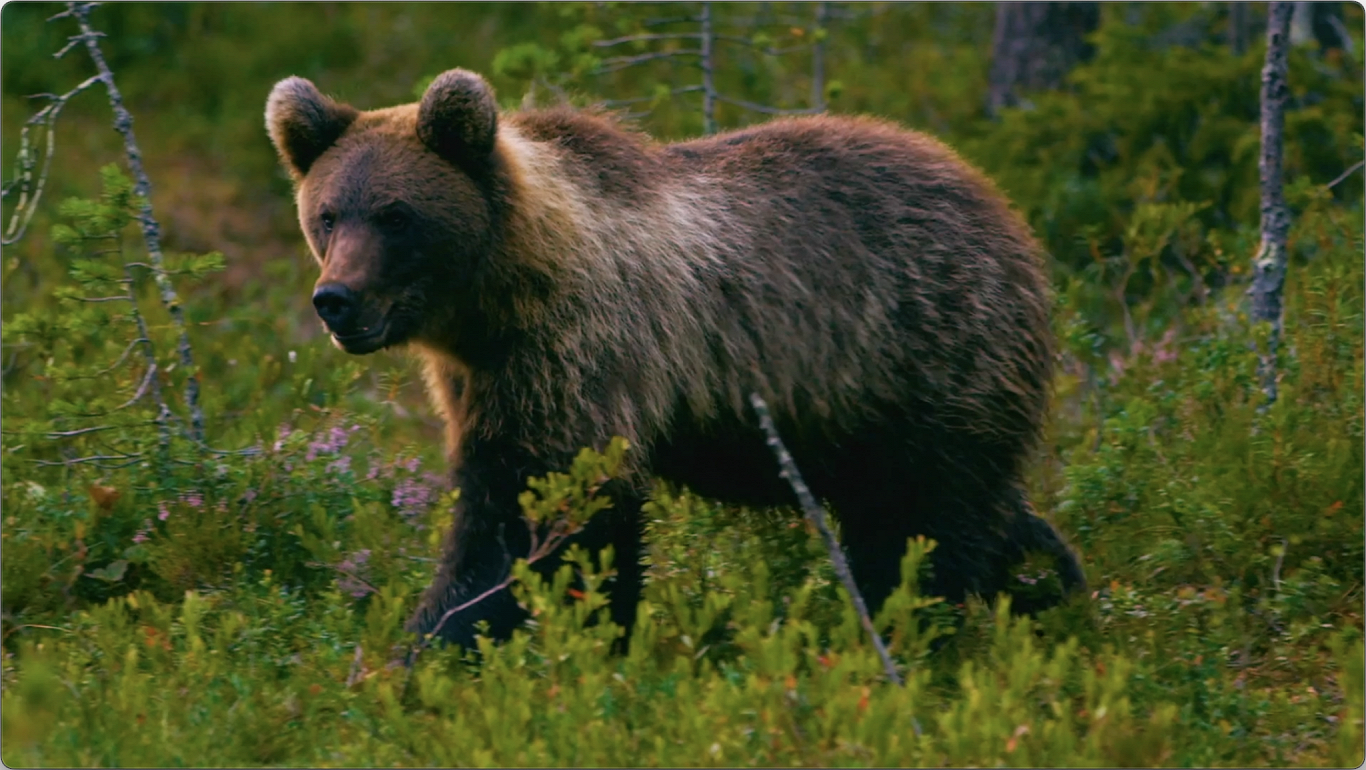
The increasing frequency of brown bear sightings in Latvia, including a recent, widely publicized incursion into the city of Jēkabpils, has ignited a complex national debate regarding the management of protected species. As the population of the Eurasian brown bear (Ursus arctos) continues to expand across the Baltic region, the intersection of urban development and wildlife conservation has brought the current legal status of these animals under intense public and political scrutiny.
For many residents, the sight of a large predator roaming near residential zones is a cause for significant alarm, while environmental experts and state authorities face the challenge of balancing public safety with the strict protections afforded to the species under European Union and national law. The recent incident in Jēkabpils, where a bear was documented navigating urban streets before being guided back into the wild, serves as a focal point for a broader discussion about whether existing management strategies are sufficient in an era of shifting wildlife distribution.
According to the Nature Conservation Agency of Latvia (Dabas aizsardzības pārvalde), the brown bear is classified as a strictly protected species in Latvia. Under the Law on Species and Habitat Protection, any lethal intervention or hunting is strictly prohibited unless specific, narrow conditions are met that threaten public health or safety, requiring rigorous administrative oversight.
The Ecological Context of Bear Expansion
The rise in bear sightings is not merely anecdotal; it corresponds with a documented recovery of the brown bear population in the Northern Baltic. Following decades of conservation efforts, the bear population has naturally expanded from neighboring Estonia and Russia into Latvian territory. As these animals establish new home ranges, they are increasingly encountering human-dominated landscapes, such as agricultural fields and, occasionally, urban centers.

Wildlife biologists emphasize that these encounters are often the result of younger bears searching for new territories or individuals seeking easily accessible food sources. In the Jēkabpils incident, the presence of an apex predator in a populated area prompted a coordinated response from local authorities, who focused on deterring the animal rather than lethal action. Such operations highlight the logistical difficulties of managing large wildlife in environments where human activity is dense and often unpredictable.
The Ministry of Agriculture and the State Forest Service (Valsts meža dienests) remain the primary bodies responsible for monitoring wildlife populations. While the public pressure to implement more flexible management, including potential limited hunting permits, has grown, officials maintain that any change in status would require a comprehensive reassessment of the species’ conservation status across the Baltic population, rather than isolated local decisions.
Public Safety and the Challenge of Coexistence
The Jēkabpils incident also raised concerns regarding human behavior in the presence of wild animals. Local officials noted that the presence of onlookers, particularly those attempting to film the bear at close range, significantly complicated the “expulsion” efforts. Experts warn that treating a brown bear as a tourist attraction not only poses a direct danger to the individual but also increases the risk that the animal may become habituated to humans, which is a precursor to more dangerous, aggressive encounters.
For those living in rural or semi-rural areas, the shift in animal presence has led to a demand for better educational resources and clearer protocols for reporting sightings. The Nature Conservation Agency provides official guidance on how to act if one encounters a bear: maintain distance, do not approach and ensure that the animal has a clear escape route. These guidelines are essential for minimizing the likelihood of a defensive reaction from the animal.
Key Takeaways for Residents
- Maintain Distance: Never attempt to approach or photograph a bear at close range.
- Secure Attractants: Ensure that waste, pet food, and other potential food sources are inaccessible to wildlife.
- Report Sightings: Use official channels to report bears in urban areas to the State Forest Service or local municipal police.
- Stay Informed: Follow updates from the Nature Conservation Agency regarding regional wildlife activity and safety protocols.
The Path Forward: Policy and Scientific Review
The debate over whether to shift the brown bear from a “strictly protected” category to one that allows for regulated population control remains a contentious political issue. Proponents of change argue that the current population density in some regions has surpassed what was envisioned when the protection laws were drafted. Conversely, conservation groups argue that the bear is a vital component of the Latvian ecosystem and that human-bear conflicts should be mitigated through better spatial planning and waste management rather than hunting.
As of late 2024, there are no active legislative proposals to initiate a hunting season for brown bears in Latvia. Any future policy shift would likely involve significant inter-institutional cooperation, including the State Forest Service, and would need to align with EU-wide directives, specifically the Habitats Directive, which governs the protection of large carnivores across member states.
The situation remains fluid. As the autumn and winter months approach, bear activity patterns will naturally shift, but the broader conversation about coexistence in an increasingly crowded landscape is unlikely to dissipate. Authorities have committed to continued monitoring and public awareness campaigns, emphasizing that the primary goal is to ensure the safety of both the human population and the wildlife that is reclaiming its historical habitat.
We will continue to track official updates from the State Forest Service regarding regional bear population surveys. If you have witnessed unusual wildlife behavior or have thoughts on the management of protected species in Latvia, we invite you to share your perspective in the comments section below. Your local insight is vital to understanding the full scope of this ongoing environmental shift.