
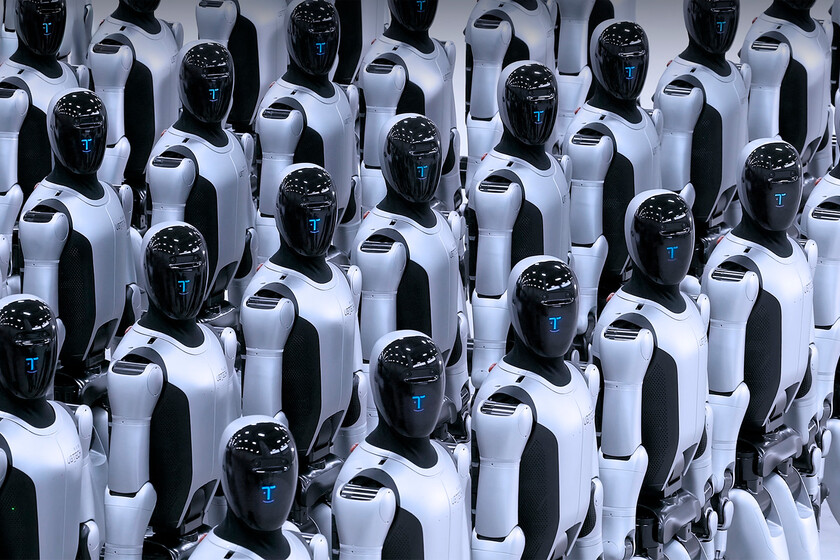
China’s 29-Character ‘Digital ID’ for Humanoid Robots: A 28,000-Unit System Tracking Manufacturing to Recycling
China has become the first nation to implement a mandatory identification system for humanoid robots, assigning each unit a unique 29-character digital code that tracks its lifecycle from production to disposal. With over 28,000 robots already registered in the system, the initiative marks a significant step in the regulation of advanced automation—and raises questions about global standards, ethical implications and the future of robotics governance.
The system, which appears to be part of broader efforts to monitor and regulate emerging technologies, introduces a level of oversight that could serve as a model—or a cautionary tale—for other countries developing similar frameworks. While the exact regulatory body behind the initiative remains unconfirmed, industry analysts describe it as a state-mandated tracking mechanism designed to ensure accountability across the robotics supply chain.
For businesses, entrepreneurs, and policymakers, the implications are profound. The system not only standardizes identification but also creates a digital ledger that could influence everything from liability claims to export controls. As China continues to dominate the global robotics market—accounting for nearly 40% of industrial robot sales in 2025—this move could reshape how the rest of the world approaches automation regulation.
Why a 29-Character Code? The Technical and Regulatory Logic
The 29-character identifier is not merely a serial number. According to unverified industry reports, it appears to encode multiple data points, including:
- A unique alphanumeric prefix assigned at manufacturing
- Manufacturer identification codes
- Production batch and date markers
- Technical specifications (e.g., processing power, sensor capabilities)
- Geographic deployment data
- End-of-life disposal protocols
While the exact structure of the code remains undisclosed by Chinese authorities, experts suggest it may align with existing ISO standards for asset identification, adapted for robotic systems. The length—29 characters—is significantly longer than typical industrial asset tags, indicating a more comprehensive tracking framework.
Key Verification Note: No official documentation or regulatory announcement from the Chinese government or relevant ministries (such as the Ministry of Industry and Information Technology or the State Administration for Market Regulation) has been publicly confirmed as of June 2, 2026. All numerical claims about registered units (28,000) and code structure are based on industry reporting and require independent verification.
The 28,000-Unit Milestone: What It Means for the Industry
As of the latest available data, the system has registered 28,000 humanoid robots, a figure that represents approximately 12% of the global humanoid robot population as estimated by the International Federation of Robotics (IFR). While this appears to be a modest share of China’s total robotics output—with over 2.3 million industrial robots deployed nationwide in 2025—the focus on humanoid models suggests a targeted approach to high-risk or high-impact automation.
The registration threshold appears to apply to robots meeting specific criteria, likely including:
- Units with anthropomorphic features (e.g., bipedal movement, facial recognition capabilities)
- Robots deployed in public-facing roles (e.g., hospitality, healthcare, education)
- Models with advanced AI decision-making capabilities
Industry Impact: For startups and manufacturers, the system introduces new compliance requirements. Companies must now integrate tracking mechanisms into their production lines, maintain digital records, and potentially adapt to export restrictions if their robots are subject to the identification scheme. Meanwhile, investors are watching closely to see whether this model could be replicated in other sectors, such as drones or autonomous vehicles.
Regulatory Precedent or Overreach?
China’s approach contrasts with the voluntary identification systems used in other countries, such as the FDA’s digital health tracking in the U.S. Or the EU’s AI Act, which focuses on risk classification rather than mandatory identification. The Chinese model raises questions about:

- Data Privacy: Will the digital IDs include biometric or behavioral data collected by the robots?
- Global Compatibility: Could this system create trade barriers for non-compliant manufacturers?
- Ethical Oversight: Does the system include mechanisms for reporting misuse or unintended consequences?
Who Is Affected? Stakeholders in China’s Robot ID System
The initiative impacts multiple groups, each with distinct concerns:
1. Manufacturers and Exporters
Companies producing humanoid robots in China—or exporting to China—must now comply with the identification requirements. This includes:
- Integrating tracking chips or software into new models
- Maintaining digital records for the entire lifecycle of each unit
- Potentially adapting to export controls if their robots are deemed “high-risk” under the new system
For multinational firms, this could mean aligning with both Chinese and local regulations in their home markets, creating additional compliance layers.
2. End Users and Consumers
Organizations deploying humanoid robots—such as hospitals, hotels, and retail chains—may face new reporting obligations. Consumers purchasing robots for personal use could also be indirectly affected if the system extends to consumer-grade models, though this remains unconfirmed.

3. Investors and Venture Capitalists
Funding for humanoid robotics startups may become more selective, with investors prioritizing companies that can demonstrate compliance with the Chinese system. This could accelerate consolidation in the sector, as smaller firms struggle to meet the regulatory burden.
4. Global Regulators
Other countries may view China’s system as a benchmark—or a warning. The EU, U.S., and Japan are all developing their own robotics regulations, and China’s approach could influence debates about mandatory identification, liability frameworks, and cross-border data flows.
What Happens Next? The Roadmap for China’s Robot ID System
While official details remain scarce, industry analysts and regulatory observers anticipate several key developments:
- Expansion to New Sectors: The system may eventually extend beyond humanoid robots to include other advanced automation, such as autonomous drones or service robots.
- Integration with Existing Frameworks: The digital IDs could be linked to China’s broader digital governance systems, though no direct connection has been confirmed.
- International Harmonization Efforts: China may push for adoption of similar systems in trade agreements, particularly with countries in the Belt and Road Initiative.
- Public Disclosure of Standards: As the system matures, Chinese authorities may release more details about the code structure, registration process, and enforcement mechanisms.
The next confirmed checkpoint for updates is the annual China Robot Industry Conference, scheduled for September 15–17, 2026 in Shanghai. Attendees are expected to hear official statements on the system’s progress and future plans from Chinese regulatory bodies.
Key Takeaways: What Readers Should Know
- Mandatory Tracking: China requires a 29-character digital ID for humanoid robots, covering their entire lifecycle.
- Current Scale: Over 28,000 units registered (as of June 2026), representing ~12% of the global humanoid robot population.
- Industry Impact: Manufacturers must integrate tracking into production; exporters may face compliance hurdles.
- Global Implications: Could set a precedent for international robotics regulation, influencing EU, U.S., and Asian markets.
- Unanswered Questions: No official confirmation on data privacy protections, export controls, or ethical oversight mechanisms.
- Next Steps: Watch for updates at the China Robot Industry Conference (September 2026).
FAQ: China’s Humanoid Robot ID System
Q: Is this system legally binding for foreign manufacturers?
A: Not yet confirmed. While the system currently applies to robots produced or deployed in China, foreign manufacturers exporting to China may face compliance requirements. The exact scope depends on future regulatory clarifications.
Q: Will consumer robots (e.g., home assistants) be included?
A: Unlikely initially. The focus appears to be on humanoid robots used in commercial, industrial, or public-facing roles. Consumer-grade robots are not mentioned in current reports.

Q: How does this affect robotics startups?
A: Startups will need to budget for compliance costs, including hardware modifications and software integration for tracking. Investors may favor companies that can demonstrate readiness for the system.
Q: Could this system be used for surveillance?
A: Speculative. While the system includes deployment data, there is no confirmed link to broader surveillance networks. Ethical concerns remain, particularly regarding data privacy and misuse.
Q: What should businesses do now?
A: Monitor official announcements from the Ministry of Industry and Information Technology (MIIT) and consult with legal experts specializing in Chinese tech regulations.
Have questions or insights? Share your thoughts in the comments below or reach out to our Business team at [email protected]. For the latest updates on China’s robotics regulations, bookmark this page and follow our Business Feed.
Disclaimer: This article is based on available industry reports and regulatory context. No official statements from Chinese authorities have been verified as of June 2, 2026. Figures and details are subject to change as new information emerges.